PUBLIC-private partnerships (PPPs) are increasingly being viewed as a central pillar in Guyana’s economic transformation, with government and private sector leaders pointing to collaboration as essential for sustaining growth and expanding opportunities across multiple industries.
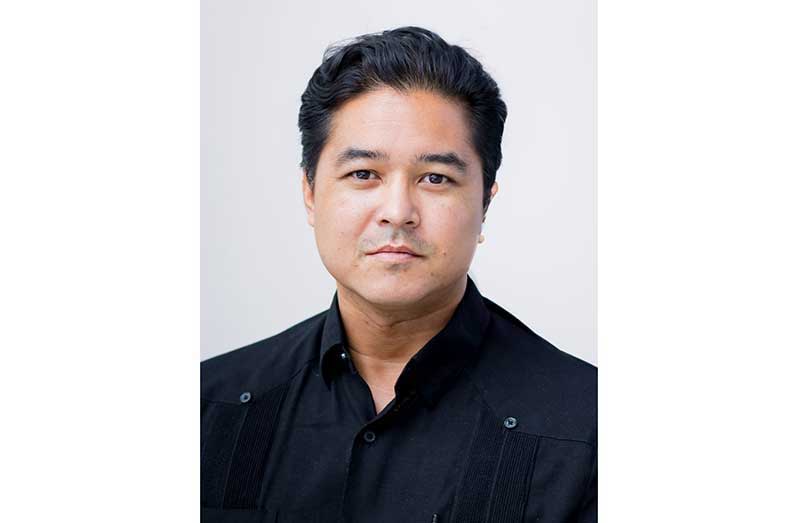
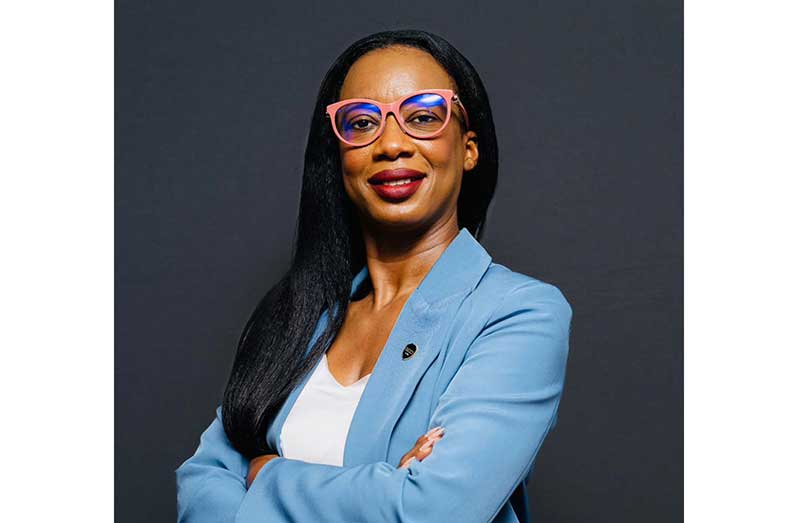
The importance of these partnerships was underscored during a panel discussion at the Guyana Energy Conference, where Private Sector Commission (PSC) Chairman Gerald Gouveia Jr., Georgetown Chamber of Commerce and Industry (GCCI) President Kathy Smith, SBM Offshore (Guyana) General Manager Martin Cheong, and Central Housing and Planning Authority (CHPA) Chief Executive Officer Dr. Martin Pertab examined the evolving role of PPPs in national development.
For years, the Government of Guyana has pursued joint initiatives with private investors in areas such as infrastructure development, including roads, bridges and schools, while also introducing tax incentives and policy reforms aimed at improving the ease of doing business. More recently, collaboration within the oil and gas sector, particularly with companies such as ExxonMobil and SBM Offshore, has expanded employment opportunities and accelerated economic activity.
Gouveia said the private sector cannot function independently of government policy, noting that successful partnerships depend on a stable investment framework created by the state.
“We cannot operate based on our own rules. We have to operate in an investment environment created by government,” he said, describing this framework as the foundation upon which public-private partnerships are built.
According to him, the key challenge lies in creating incentives that encourage investment and participation by businesses. He pointed to examples where government support helped local enterprises expand beyond Guyana’s borders, including a local modular housing company that now exports thousands of homes annually across the Caribbean following government-backed promotion and negotiations.
Gouveia also highlighted new co-investment opportunities and support mechanisms being introduced for entrepreneurs. At the PSC level, a business support desk has been established to provide free consulting services to startups, assisting with business plans and feasibility studies to make ventures more attractive to financing institutions.
Meanwhile, Smith focused on the readiness of micro, small and medium-sized enterprises (MSMEs) to participate in PPP arrangements, describing them as the backbone of the private sector. She noted that approximately 70 per cent of the GCCI’s roughly 1,000 members fall within the MSME category.
Smith said initiatives linking small producers with regional markets demonstrate how partnerships can create tangible opportunities. She cited a programme through which local businesses can supply goods that are then exported to markets in Trinidad and Barbados through established distribution networks.
She added that collaborative initiatives are also emerging in the social sector, including discussions with government agencies to establish shared housing facilities for women through public-private arrangements.
According to Smith, MSMEs are not only prepared to engage in PPPs but are already benefiting from expanding collaboration between government and industry.
Previously, President Dr. Irfaan Ali said his administration intends to use partnerships with the business community to guide Guyana toward sustainable economic growth. He has urged investors to capitalise on opportunities in agriculture, aquaculture, housing, tourism, healthcare and exports, while ensuring that economic gains extend beyond businesses to employees and communities.
The President has maintained that broader participation in development initiatives will support equitable wealth creation and ensure that the benefits of economic expansion reach citizens across all levels of society.