.jpg)


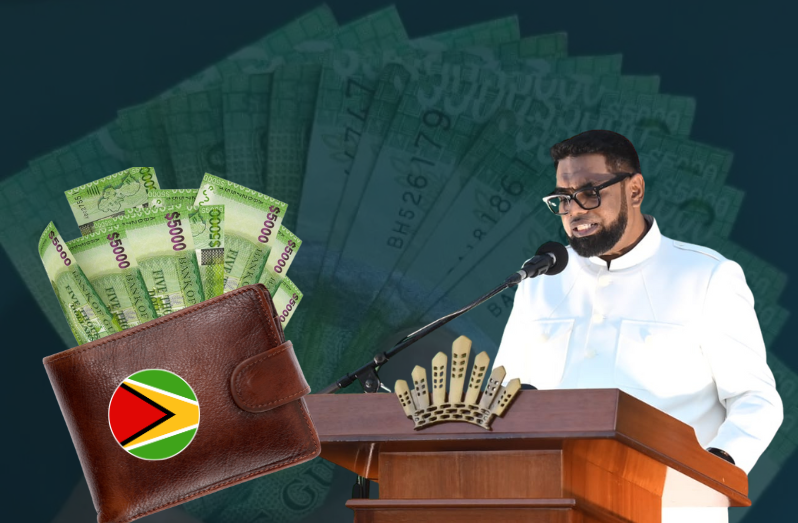
In his live address to the nation on Wednesday, President Dr Irfaan Ali outlined a digital transformation agenda for Guyana, centred on a citizen-centric online portal and a national e-wallet that will change how Guyanese interact with government services and manage everyday payments.
Speaking about the broader shift to a technology‑driven state, the Head of State framed digitalization as fundamental to the country’s modernization, “We are entering a new digital era rooted in innovation, equity and efficiency, digital Guyana… a modern state where technology makes public service faster and more accessible, efficient, transparent and responsive, supports economic development and innovation and empowers our guidance…”
At the heart of this plan is a citizen‑centric portal that will consolidate key public services online, which he said, will be “introducing a citizen-centric portal, a gateway to modern government services that enables citizens to access all government services online.”
Through this portal, citizens will be able to complete a wide range of tasks digitally, including applying for vital documents, paying taxes and accessing social benefits.
“Citizens will be able to apply for birth certificates, ID cards, passports, driver’s licenses, business registration and other business… file tax returns and pay their taxes, access payments from government, old age pension, NIS pension, public assistance, apply for house lots and pay utility bills,” President Ali said.
Ali highlighted the national e‑wallet as a core feature of this new ecosystem, designed to streamline how money is received and spent.
“This portal will also enable a national e-wallet, allowing citizens to receive money and make payments in the most seamless way possible. This is the future we are building,” he pointed out.
To ensure that no region is left behind in the transition to digital services, the government will complement the online platform with physical “One‑Stop Centres.”
Ali acknowledged that some may resist these changes because of the increased transparency and accountability they bring, but he signalled a firm commitment to making the system work for citizens.
“We are aware that as we change these systems… There are some who will resist the change… but we are putting them on notice that the system will identify them… We will not allow a system to fail because people do not want to apply the system.”
Ultimately, the President framed the e‑wallet and digital portal as people-centred investments aimed at making government simpler, more predictable and less dependent on in‑person bureaucracy.
“Someone must be able to either do it online by themselves or walk into one service centre and conduct all of their government business with limited interaction with public servants, because of predictability, transparency, efficiency,” the President said.
He further explained that the ‘GovConnect’platform, a new digital appointment system aimed at improving access to public services and enhancing efficiency across government ministries, is currently testing and the ‘CitizenConnect’, which is a new portal that allows citizens to bring matters of interest to the attention of the relevant authorities, will go live before the end of the year.
“These systems will allow us not only to bring the issue, but to track who’s looking at the issue, to track the time it is taking to resolve issues, to track the performance of government agencies, and to track how efficiently persons who are tasked with delivering services are delivering those services. That is what is going to enhance accountability and transparency. That is what is going to build the new, efficient Guyana in 2026,” President Ali said.