






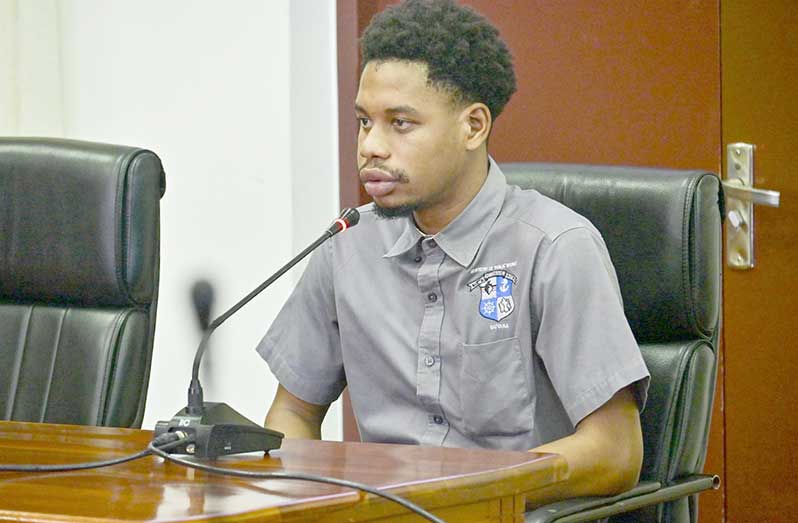
A FLARE in the darkness led rescuers to three MV Barima survivors aboard a life raft after three other rafts were found empty, Acting Harbour Master Romain Seurattan told the Presidential Commission of Inquiry on Wednesday.
None of the three survivors was wearing a life jacket when the rescue team reached them, Seurattan testified. They were brought aboard a Westzyde Marine Inc. vessel, provided with life jackets and subsequently transferred to a Maritime Administration Department (MARAD) pilot boat.
The account emerged during the sixth day of public hearings into the maritime tragedy, as witnesses detailed the response to distress alerts, the deployment of rescue vessels, and the transportation of survivors to the Coast Guard’s Pomeroon Floating Base for medical attention.
Sixty-nine people in total were rescued in the early morning of July 19. Earlier witness accounts told the COI that none of the survivors was wearing lifejackets. Coast Guard vessels, fishing boats and other responders supported the Coast Guard in locating survivors.
From shore preparations to rescue at sea
Seurattan, the day’s final witness, described a role that began with mobilising vessels ashore before seeking permission to join the search at sea.
A maritime professional with approximately nine years at MARAD, Seurattan holds a master’s degree in Marine Surveying from Middlesex University in England, an MBA in Logistics and IT Management, and a coastal master’s qualification. He previously served as a pilot, Inspector of Shipping and River Navigation Officer before becoming Acting Harbour Master on April 4.
After receiving a call from Captain John Flores around midnight, Seurattan instructed the boathouse to have MARAD’s pilot vessels fuelled, and contacted Anthony Benjamin to arrange their crews. He visited the boathouse before proceeding to the Maritime Rescue Coordination Centre (MRCC) in Kingston.
But his involvement did not remain confined to preparations and coordination ashore. On learning that a Westzyde Marine vessel would be joining the operation, he contacted its operator and sought permission from MARAD Director General Captain Stephen Thomas to go aboard.
Permission granted, Seurattan joined the privately operated vessel at Goods Wharf in Kingston, Georgetown, for the overnight search.
Debris and empty rafts
The vessel departed at approximately 2 am on July 19, following coordinates entered into its GPS. As the team approached the search area, rescuers encountered floating containers and five-gallon buckets and detected the smell of diesel.
After searching around the coordinates without finding the vessel or anyone in the water, they proceeded northwest and discovered three empty life rafts fitted with flashing white lights.
Seurattan said he alerted other vessels to the discovery before continuing in the same direction. A hand-held flare then drew the team towards a fourth raft, where three people were found.
One was identified in his testimony as the Barima’s chief mate, Mr Roberts. Although the witness did not give the full name of the mate, he was referring to 43-year-old Rondell Dwayne Roberts, who is currently facing murder charges with two others following the sinking of the MV Barima on July 18.
Seurattan said Roberts told him that the Barima had sunk rapidly and that he believed the raft was still attached to it.
The rescue team marked the raft’s location on the vessel’s GPS. Seurattan said he later concluded that it was drifting rather than attached to the sunken vessel, after returning to the recorded position and finding that it had moved.
Following the transfer of the three survivors to the MARAD pilot boat, the Westzyde Marine vessel continued searching.
Seurattan also described returning to shore to replenish supplies for those still at sea. At Charity, he obtained food and water for MARAD crews, while Coast Guard personnel secured supplies for their colleagues. The team then collected drums of fuel at the Pomeroon Floating Base and returned to the search area to deliver the provisions and continue searching.
Survivors brought ashore
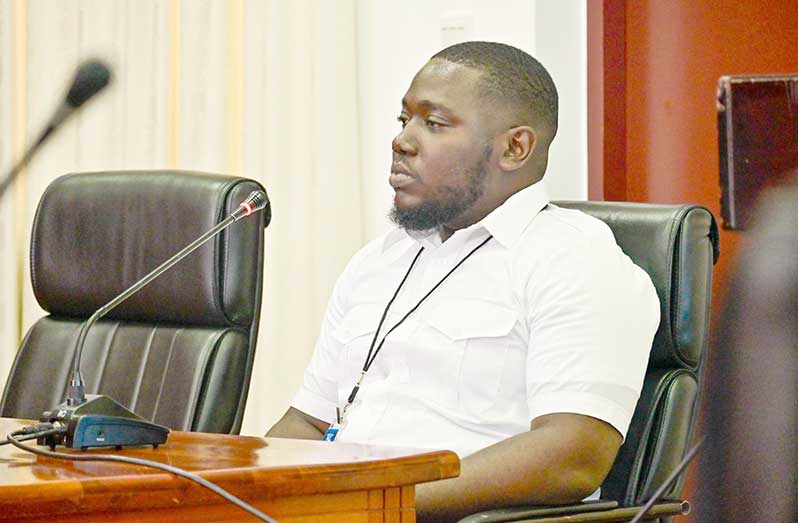
Earlier, MARAD pilot trainee and Officer of the Watch Shemar Morrison described how the pilot boat Haiama received people rescued by other vessels and transported them to the Coast Guard Pomeroon base.
Morrison said the Haiama departed Kingston at approximately 1:40 am and reached the search area at about 4:55 am. He cautioned that those times were based on his recollection rather than a written record.
His crew began encountering floating life jackets, iceboxes and other debris at approximately 4:30 am. Coast Guard vessels, fishing boats and other craft were already participating in the operation when the pilot boat arrived.
Morrison said three people were initially transferred from the vessel carrying the Harbour Master, followed by others brought aboard from responding vessels. His crew did not recover anyone directly from the water.
Those transported included the Barima’s captain and first mate, who received blankets after their exposure to the sea.
Morrison also recalled receiving an unresponsive person from another vessel, but said he could not determine the individual’s medical condition.
The Haiama left the search area at approximately 5:30 am and arrived at the Pomeroon base around 7:30 am, where arrangements were made to provide medical assistance.
Radio calls went unanswered
The Commission also heard that repeated efforts to contact the Barima by radio around midnight were unsuccessful.
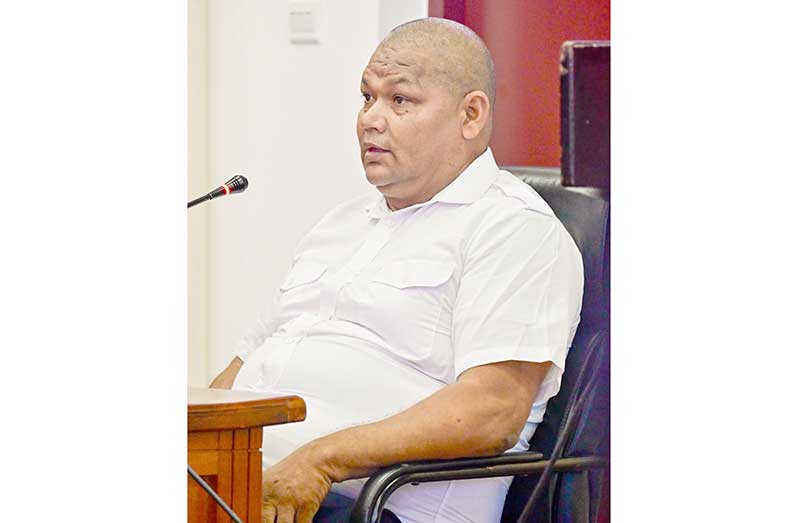
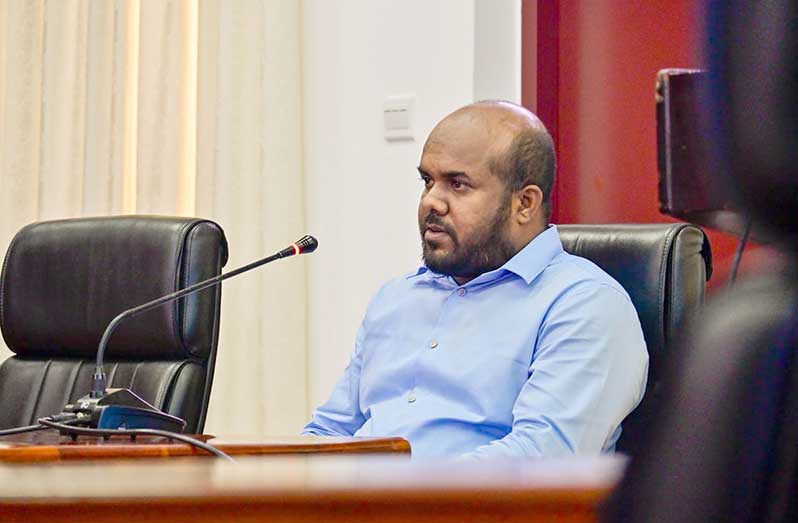
Lighthouse Attendant David Chisholm said he received a distress alert via WhatsApp at approximately 11:01 p.m. on July 18 and forwarded it to the relevant maritime officials.
On the Harbour Master Seurattan’s instructions, he attempted to reach the vessel on VHF Channel 16. No response was received, and he reported the unsuccessful attempts while continuing to call.
Chisholm said further distress alerts were received and relayed to the MRCC during his shift, which ended at 8 am on July 19.
Communication difficulties also arose at sea. Morrison said some updates were not delivered until the pilot boat reached Pomeroon, while Seurattan described difficulties involving telephone calls, WhatsApp and VHF radio.
Vessels mobilised overnight
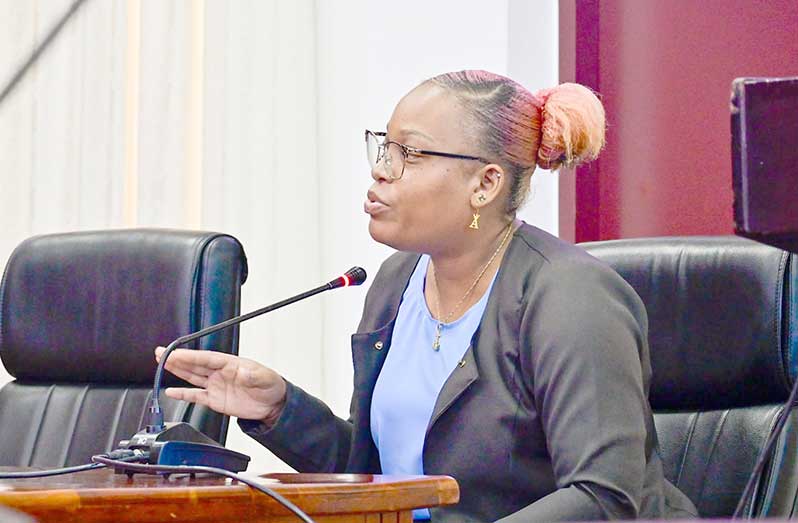
MARAD Boathouse attendant Anola Francis testified that Seurattan instructed her to have the pilot vessels prepared and fuelled for the emergency response. She relayed those instructions to the crews responsible for the Haiama and Haiakwa.
Acting Shore Captain Anthony Benjamin said he arrived at the boathouse at approximately 1:15 am, by which time both vessels had been fuelled. He selected experienced crew members, checked that life jackets and other equipment were available and dispatched the vessels at approximately 1:30 am.
Benjamin also coordinated preparations for the tug MT Arau, including refuelling and the loading of additional adult and children’s life jackets. He said the tug departed at approximately 2:30 am.
The response continued over several days, with crews rotated and supplies replenished. Benjamin told the Commission that the operation eventually shifted from rescue to recovery, with personnel supplied with gloves, masks and body bags, and continued until July 26.




