






– BRHA pioneered decentralised health management and community-based care
LONG before Guyana’s sweeping investments in hospitals, specialist services and modern healthcare infrastructure, Region Six served as the testing ground for a bold experiment in decentralised healthcare administration that has since helped shape the country’s evolving health system.
The Berbice Regional Health Authority (BRHA), established as the nation’s only fully operational pilot regional health authority, was created to determine whether healthcare services could be delivered more efficiently by placing management and decision-making closer to the communities they served.
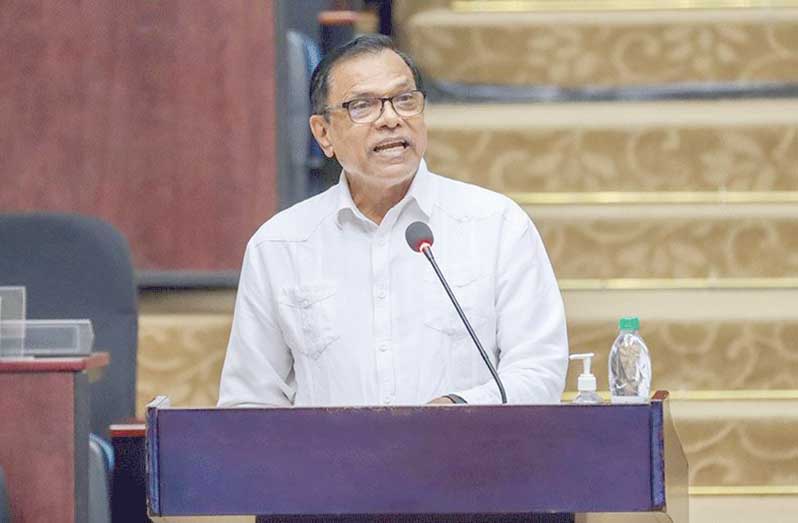
According to Director General of the Ministry of Health, Dr Vishwa Mahadeo, the initiative began in 2003 with the establishment of an Interim Management Committee responsible for laying the groundwork for a new model of healthcare administration.
That effort culminated in 2005 when Parliament passed the Regional Health Authorities Act, providing the legal framework for regional authorities to manage healthcare delivery while allowing the Ministry of Health to focus on national policy, standards and oversight.
“The Regional Health Authority was set up and started functioning in Region Six as a pilot project for regional healthcare authorities in Guyana,” Dr Mahadeo said during an interview.
Under the legislation, regional health authorities were tasked with overseeing hospitals, health centres, health posts and public health programmes within their jurisdictions. Region Six became the only region where the concept was fully implemented, making Berbice a model for decentralised healthcare management.
The Authority assumed responsibility for an extensive network of healthcare facilities spanning the region, including district hospitals, national hospitals, a regional hospital, health centres and health posts stretching from Siparuta and Baracara to Mara.
However, Dr Mahadeo said the BRHA’s mandate extended far beyond managing medical facilities.
“We had several programmes ongoing…. We had home-based care, extended home-based care, geriatric care, the geriatric mega clinic and the home-based nutrition programme,” he said.
These initiatives reflected a community-centred approach to healthcare by taking services directly to patients, particularly the elderly and vulnerable, rather than relying solely on facility-based care. Home visits, specialised geriatric services and nutrition programmes were among the interventions aimed at improving health outcomes at the community level.
The Authority also implemented strategic three-to five-year development plans designed to strengthen healthcare delivery across the primary, secondary and tertiary levels, ensuring a coordinated approach to improving services throughout Region Six.
Although Guyana’s healthcare landscape has undergone significant transformation over the past two decades through major investments in infrastructure, medical technology and specialised services, Dr Mahadeo said the BRHA remains an important milestone in the country’s healthcare history.
Its emphasis on decentralised leadership, long-term planning and community outreach demonstrated the potential benefits of regional healthcare management and helped inform many of the reforms that continue to modernise the national health system.
Dr Mahadeo also highlighted the importance of personal responsibility in maintaining good health, noting that healthcare is not only about the services provided by the system, but also about how individuals care for their own health.




