SheShines Summit set to spotlight rural women’s empowerment and community-led solutions
YOUNG people across Guyana are beginning to pick up the mantle of leadership through community initiatives, collaboration and change. Among the most impactful of these young leaders are the people behind Project New Nation.
What began as one young volunteer’s effort to connect his community with much-needed services has grown into a youth-led organisation transforming lives across hinterland and mining communities in Guyana.
In a recent interview with the Pepperpot Magazine, the organisation’s founder and Executive Director, Magaiva Gonsalves, shared that Project New Nation was born out of a desire to bridge gaps he observed while volunteering with various organisations across the country.
Recognising issues such as school dropout rates, gender-based violence, domestic abuse and limited access to services in rural communities, he and other young volunteers set out to create practical solutions tailored to the needs of residents.
Just a few years later, the organisation has partnered with other agencies to launch several initiatives aimed at addressing these concerns.
At its core, Project New Nation is a youth organisation with a key focus on bringing needed services to underserved and rural communities. The backbone of the organisation is its work with youth, women and other vulnerable communities.
Started in Region Seven, Gonsalves noted that the venture was sparked through his volunteer work with other agencies, adding, “Project New Nation started for myself. I am somebody who has been a volunteer with multiple organisations, working around the country. Even in the capital, there are lots of initiatives, but some of the problems that I’m recognising in my community remained.”
Initially, the venture started with Gonsalves trying to link the villages in Region Seven.
Through collaboration among communities, Gonsalves worked on developing initiatives targeting the areas he thought needed the most attention, with school dropout rates, gender-based violence and domestic abuse being among the major areas he and his small team focused on.
While the organisation started small, Gonsalves stated that he soon realised that, to make a greater impact, a better organisation was needed, as he added, “It was quickly realised that in order to get even more serious in that support, it needed to become more organised. What started as volunteering became a collaborative effort towards addressing these concerns of the communities,” he said.
Since developing the grassroots effort into an NGO, Project New Nation has been able to reach more communities and make a far greater impact.
As Gonsalves shared, the organisation’s first project was supported by a USAID grant.
“Our first project as an organisation was a grant supported by the U.S. It was $600,000 to fund the very first project that we agreed as a group of young people to implement, which is our literacy learning programme,” he said.
Since the launch of the successful programme, Project New Nation has improved its research and later secured funding from the Greater Guyana Initiative to expand and sustain it.
Through the success of this programme and a community-led approach, the organisation set out on its next venture, the SheShines initiative.
Launched through community discussions, the initiative focuses on addressing the concerns and issues women face.
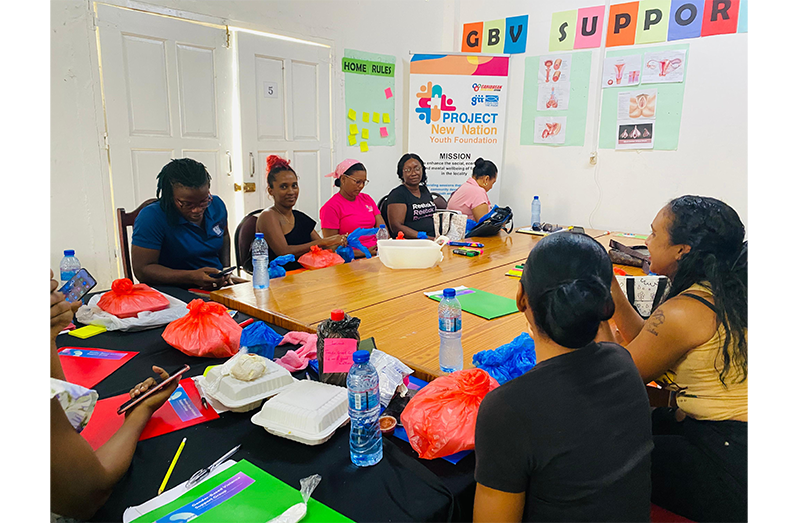
Since 2024, the SheShines initiative has been supporting women in rural communities by collaborating with larger organisations to address the challenges of gender-based violence.
As Gonsalves shared, “We have a gender-based violence initiative, which was funded by the European Union and implemented in partnership with the Council on Gender and Gender-Based Violence,” he added, “We want to be able to bring awareness to gender-based violence to multiple communities, as well as provide aid and survivor support.”
Speaking on what has made the organisation able to reach more women in other communities, Gonsalves shared that a community-led approach has been vital, adding, “We basically have conversations with the community, with villagers, with stakeholders, and understand what the challenges are based on surveys, assessments, and community consultations.”
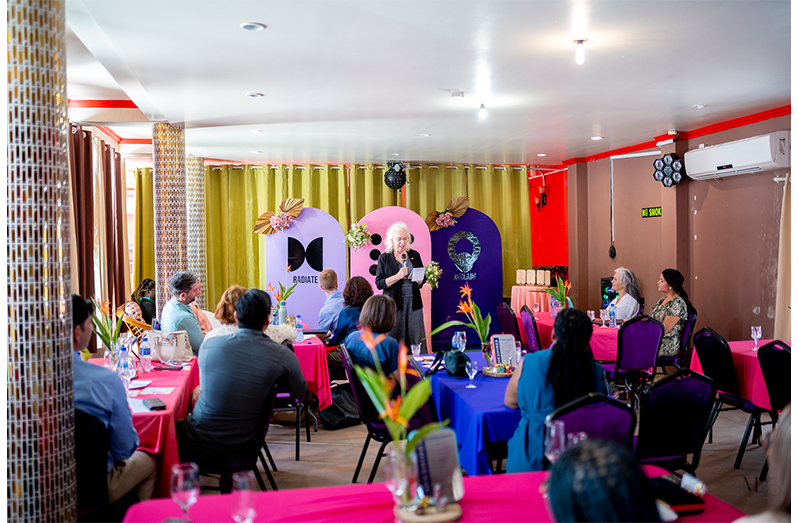
While the organisation has been receiving great support, Gonsalves noted that the upcoming SheShines Summit, slated for June 26th at the World Trade Center, aims to highlight the work done throughout the year, empower the women who have participated in the initiatives and bring attention to possible partners.
As Gonsalves shared, “The summit is there to highlight the work that we’ve been doing as an organisation to address concerns faced by women in rural areas. Not only do they get to see the work that we’ve been doing, but they get to be introduced to the issues and interact with communities.”
He added, “They get to see from the top what’s happening at the grassroots level, such as restoring the lives of women in these far-flung places. It also works as a vehicle for beneficiaries.”
As Gonsalves and his team head into this year’s summit, the hope is to have everyone leave with something new and inspiring.
The aim is for potential donors to walk away with new information about the organisation’s work, for the public to have a better idea of its grassroots efforts, and for beneficiaries to leave knowing they have been empowered and inspired.
As Gonsalves added, “The idea is that these things are to be implemented. The women who have benefitted and who are part of the SheShines Foundation would be able to provide insight in terms of empowerment initiatives, capacity building, and what opportunities are available.
There are also some informative booklets that will be made available through the Ministry of Human Services. They would be able to interact with persons who understand how they are able to benefit from them and what is available to them.”
Gonsalves shared that the role of key international partners in strengthening the reach and sustainability of the SheShines initiative cannot be understated.
He pointed to collaboration with diplomatic and development partners who have helped advance work in rural and hinterland communities, particularly on gender-based violence awareness and women’s empowerment.
“So far, we have had tremendous support from the British High Commission, as well as the Belize High Commission and the Mexican Embassy. We’ve also partnered with the delegation of the European Union,” he said, adding that these stakeholders have played a crucial role in highlighting and propelling the work that the organisation does with the SheShines initiative.
According to Gonsalves, such partnerships continue to open doors for broader outreach, technical support and visibility for the programme’s beneficiaries.
Gonsalves and his team of young, passionate volunteers are showcasing how grassroots work can build something lasting through community and collaboration.