THE Government of Guyana has moved to further address rising shipping costs and inefficiencies within the maritime sector, as stakeholders gathered for a high-level consultation on demurrage and laytime issues.
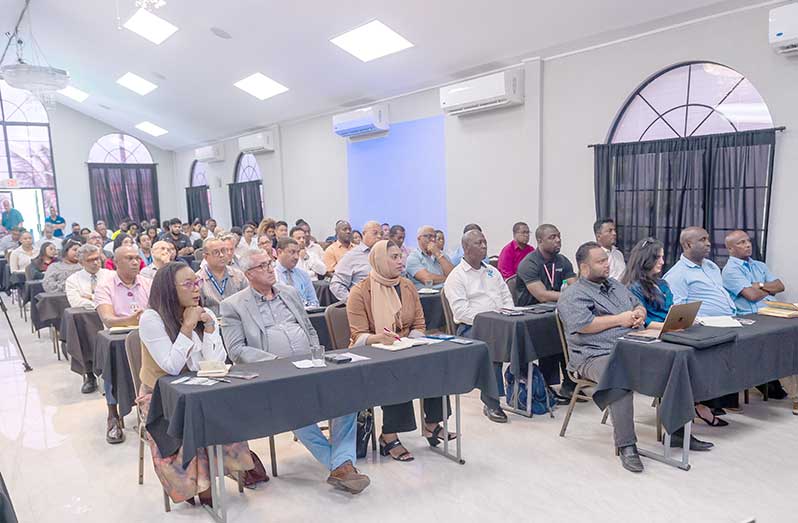
The public consultation, which was organised by the Maritime Administration Department (MARAD) under the Ministry of Public Utilities and Aviation, brought together representatives from shipping lines, brokerage firms, agents and other industry players at Duke Lodge in Kingston on Monday.
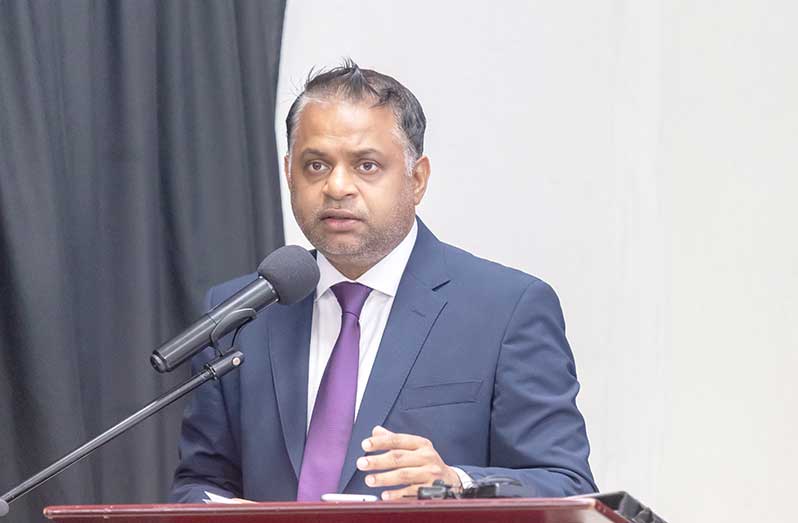
According to Minister of Public Utilities and Aviation, Deodat Indar, the consultation was prompted by a directive from Cabinet to gather wider input on key reforms aimed at easing cost pressures.
During the consultation, the authorities had presented three major proposals for frank discussions to improve the situation in the sector.
Among the measures is a proposal for demurrage charges to begin only after 21 days of a vessel being alongside the wharf; this is a shift stakeholders believe could significantly reduce costs passed on to importers and, ultimately, consumers.
A second proposal focuses on tightening conditions within charter party agreements. Minister Indar stressed that while such agreements are private, they must not conflict with national policy.
“The charter party agreement… cannot be one that is detrimental to the sector,” he added.
The third proposal under discussion is the elimination of advanced demurrage, a practice stakeholders have identified as burdensome.
The consultation examined operational inefficiencies, cargo handling delays, and the broader impact of demurrage on freight charges. Participants highlighted growing concerns about these issues and their effect on vessels calling to Guyana.
Legal Officer Tiffany Hohenkirk also presented industry-backed proposals, noting that while the measures could bring relief, they represent a significant departure from established commercial norms.
Against this backdrop, the minister noted that the government remains committed to reducing shipping costs and improving efficiency, noting that continued dialogue with stakeholders will be critical to achieving sustainable reforms in the sector.