

– How Improved Genetics Transformed a Region Five Farmer’s Herd
WITH the Christmas season in full swing and Guyanese families preparing their festive menus, including pepperpot, demand for quality meat — especially beef — is rising sharply across the country. But unlike years past, when the season brought pressure and uncertainty, 66-year-old Region Five cattle farmer Mahendranauth Oodit, also known as Rohan, stands ready and confident. Thanks to improved genetics and better animal husbandry, he is now able to meet the holiday rush with a steady supply of heavier, healthier animals.
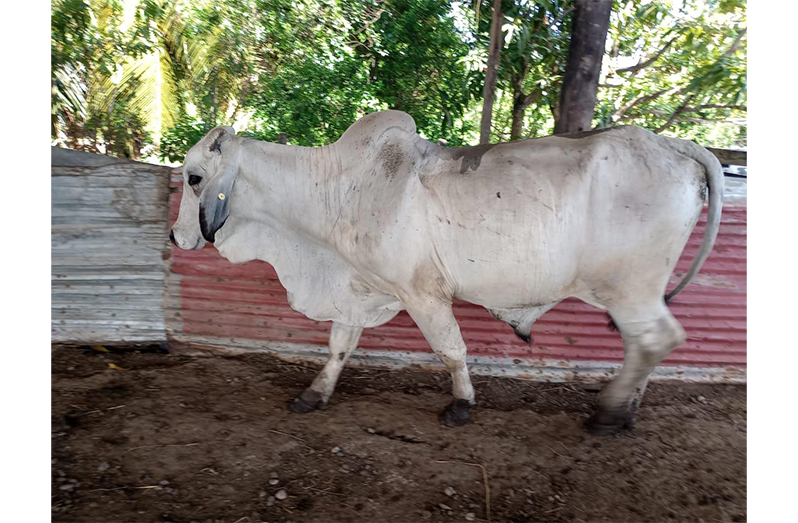
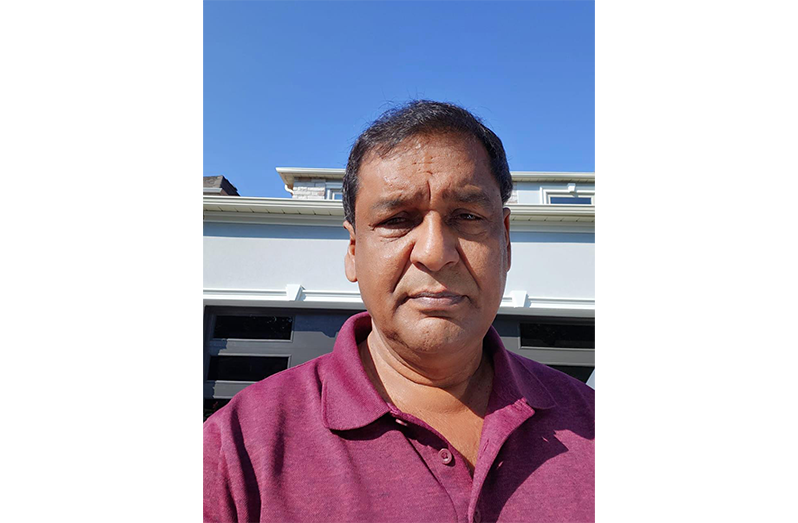
These days, at daybreak in Washington Village, West Coast Berbice, Mr Oodit, a respected entrepreneur, begins his familiar walk, perusing the pastures with his workers to conduct thorough checks on his 500 head of cattle. His movements are slow and steady, shaped by decades of experience and a childhood spent trailing his father across the cattle grounds of Weldaad. Farming, for him, has never been just an occupation — it is a legacy woven through family, land, and tradition. He is a firm believer in meticulous record-keeping, tracking the growth, health, and performance of each head of cattle.
For most of his life, Oodit worked with a traditional herd: reliable, hardy animals, but slow to reach market weight. During busy seasons like Christmas, when beef demand soared, he often struggled to keep up. The animals took time — sometimes too much time — to mature. He managed, but he knew he could do better. Prior to participating in the Guyana Livestock Development Authority (GLDA) Bull Rotation Programme, he sourced quality animals from breeders in his region — a breakthrough, he says, that reduced dependency on a single source and helped prevent inbreeding, which can negatively affect the genetics and performance of his herd.
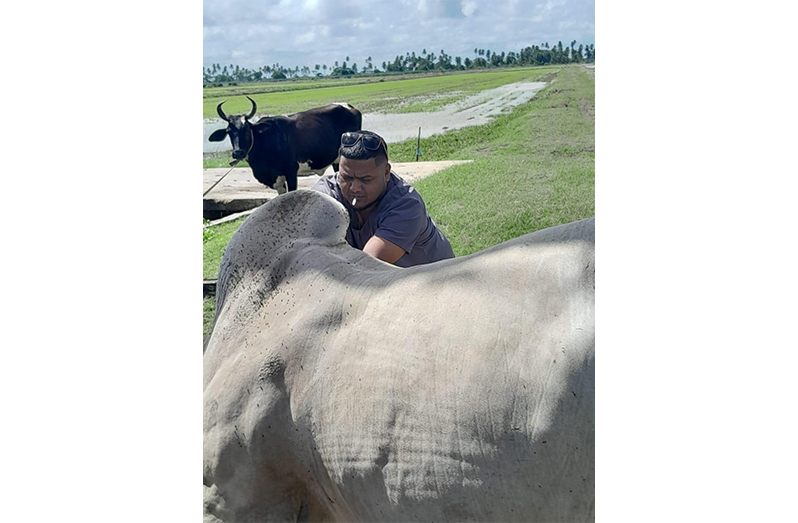
That turning point arrived with the GLDA programme. Through the initiative, he received a pedigree Brahman bull—an imposing, high-quality animal known for its strength, adaptability, and rapid growth. The impact was immediate.
“Everything changed,” he recalls. “The calves started growing faster, bigger, and healthier.”
Within months, his herd began showing traits he had never seen before: superior weight gain, better feed conversion, and earlier maturity. Instead of waiting extended periods for slow-growing bulls to finish, he now routinely markets 50 to 75 bulls each year, each topping 500 pounds by age two. Faster growth brought faster turnover — and that meant higher income.
“For a farmer, when your animals grow faster, your whole life improves,” he says.
He also lauds the excellent extension services offered by the GLDA, noting how their support has strengthened his herd management practices.
This transformation coincided with major developments across Region Five — long hailed as Guyana’s livestock capital. With continued government investment in genetics, extension support, and infrastructure, the region is rapidly modernising.
Among the most significant upgrades is the national abattoir at Onverwagt, West Coast Berbice, a state-of-the-art facility designed to enhance hygiene, traceability, and meat safety.
For decades, farmers grappled with challenges ranging from backyard slaughtering to cattle rustling and inconsistent meat quality. The new abattoir changes everything.
“When you can take your animals to a certified abattoir, everything becomes easier,” Oodit explains. “You can meet orders, meet cuts, and meet standards.”
With improved genetics on the farm and certified processing at the abattoir, farmers like Oodit can now supply premium cuts — tenderloin, steaks, roasts — that once required imports. And because his animals are grass-fed, pasture-raised, and slaughtered under sanitary, traceable conditions, he can negotiate premium prices from butchers, supermarkets, and bulk buyers who now prioritise quality and food safety.
The abattoir also offers protection — deterring theft, ensuring humane slaughter, and guaranteeing consistent standards for consumers. With regional export discussions underway under CARICOM’s food security agenda, farmers increasingly understand the value of these systems.
This Christmas, Oodit faces the season not with worry, but with readiness. His genetically improved herd, strengthened by years of careful husbandry and guided by GLDA’s extension services, allows him to meet large festive orders with confidence. The unpredictability that once defined the season has given way to stability and pride.
Still, he remains grounded. He is completing a new mini-corral to improve cattle handling and preparing to introduce the Beefmaster breed through the GLDA Artificial Insemination (AI) programme — another step in advancing his herd.
Oodit’s journey is proof of what can happen when tradition meets innovation. Through one remarkable Brahman bull, modern breeding technology, regional sourcing, and strong government support, he has reshaped not just his herd, but his entire livelihood — standing today at the forefront of Guyana’s evolving livestock industry, ready for Christmas and beyond.