

PROCRASTINATION is a term often used to describe the delay in completing a task. It’s where you basically “put off” or postpone something, especially when it should be done promptly. Now, it’s a term that is used loosely and quite frankly, I’ve realised that most people do not procrastinate because they want to. I mean, there are instances where you do not feel motivated or encouraged to do something at that given moment.
However, I believe most of the procrastination we feel when completing certain tasks stems from being overwhelmed, overworked or burnt out. In fact, there are some connections between the two. I thought I was making it up, but a quick Google search could prove my point otherwise. I’ve noticed that in my professional experiences, I “procrastinate” the most when I have a lot of tasks or activities to do all in one stretch. It is difficult for one’s body and brain to function when overworked and overwhelmed. Some online articles I’ve read explained this “procrastination” we experience as a natural response from our brain from being overworked.
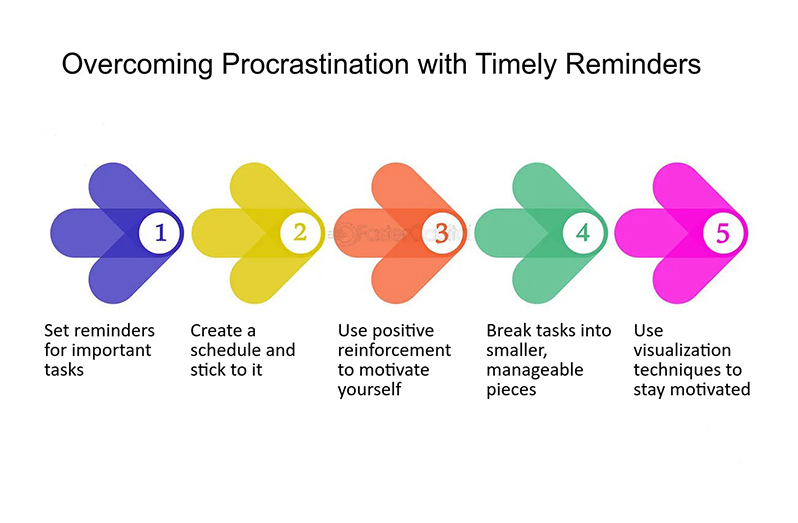 Our brain struggles to set priorities, which messes with our ability to manage time and outcomes. It is a difficult experience. In fact, many of us may feel as if we’re “lazy” but I can reassure you that this is very subjective. In my view, I am mostly productive until I am overwhelmed. I cannot fight the things that make me human, including my limitations. We must understand that there is only so much the human body and mind can accomplish within a given day. Your mistaken “procrastination” is often a result of your lack of relaxation and self-care. With that in mind, I urge you all to consider this concept.
I am not saying that procrastination is a myth. It perhaps is true in some instances. However, we should also acknowledge the connection it has to being overwhelmed. The first step to overcoming this is to recognise that you are overwhelmed and understand your body’s limitations. You should also set a schedule with priority tasks and try not to wait until the last minute to complete them. Pace yourselves as much as you can with the work you have to do—whether in academics or your office. You can also find positive exercises to do to improve on your procrastination. You can do mental exercises such as affirmations and meditation, practise time management, or even try sleeping more. Whatever it is that you think can improve your ability to function better—you should do it.
Do not beat yourself up if you’ve missed a deadline or if you’ve been putting off starting that assignment of yours that is due next week. It happens to the best of us. The most important thing to remember is to always be cognisant of your priorities and pace yourself with your limitations. You should also be honest with your lecturers, your supervisors or family members. They should be able to understand your overwhelmingness instead of assuming you’re simply “being lazy”. I hope that after reading this article, you develop new ways to deal with delaying tasks. You should find ways that work best for you to be productive and present. The next time someone tells you you’re “procrastinating”, I hope you keep this article in mind and share it with them so that they too can understand the misconception that is sometimes overlooked with procrastination and being overwhelmed.