





THE Caribbean Regional Fisheries Mechanism (CRFM) has begun implementing a regional protocol aimed at strengthening seafood traceability, improving food safety and protecting access to international markets, with Guyana among three countries selected to pilot modernised systems.
The initiative follows the approval of the Protocol on Aquatic Foods Traceability in the Caribbean Community (CARICOM) in September, 2026, by Caribbean ministers responsible for Fisheries, Aquaculture and the Blue Economy. It forms part of the Caribbean Community Common Fisheries Policy (CCCFP) and is intended to establish stronger mechanisms for tracking aquatic food products from their source to the consumer.
The Bahamas, Guyana and Suriname are the three initial beneficiary countries under the fisheries-traceability component of the Global Environment Facility (GEF)-funded PROCARIBE+ Project, which supports ocean conservation, resilience and sustainable blue-economy development.
The programme will assist the countries in strengthening and modernising their national-traceability systems, while developing models that could eventually be expanded across the CRFM’s 17 member states.
Traceability enables authorities and industry stakeholders to follow seafood through the various stages of production, processing and distribution. It is considered essential to verifying the origin and legality of fish products, responding to food-safety concerns, preventing seafood fraud and meeting the requirements of international trading partners.
The CRFM said implementation began immediately following approval of the protocol by its Ministerial Council at its 17th Special Meeting on September 28, 2026, with technical missions being conducted in the pilot countries.
Executive Director of the CRFM, Dr Marc Williams, described the implementation as a significant step towards building a more transparent, competitive and accountable regional fisheries sector.
He said the organisation was moving swiftly from ministerial approval to practical implementation, with emphasis on equipping fishers, aquaculture operators, processors and competent authorities with the necessary tools and capacity to track aquatic foods from harvest to market.
According to Dr Williams, effective traceability would strengthen food safety, consumer confidence and access to valuable international markets, while helping to expose illegal fishing activities and seafood fraud.
He stressed, however, that successful implementation would depend on sustained commitment from national governments and active participation by the fisheries industry, particularly in ensuring that traceability systems remain affordable and accessible to small-scale operators.
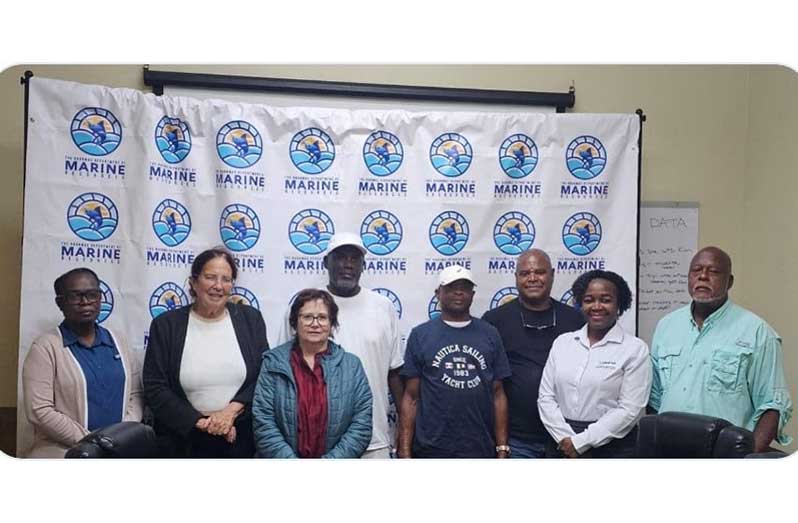
As part of the initial rollout, the CRFM partnered with the Caribbean Agricultural Health and Food Safety Agency (CAHFSA) to conduct a five-day mission in The Bahamas from October 19 to 23, 2026. INFOPESCA also provided technical support.
The mission focused on reviewing the country’s existing traceability arrangements, assessing industry participation and consulting with stakeholders on opportunities to strengthen the system.
The delegation, led by CRFM Deputy Executive Director Dr Sandra Grant, engaged officials from The Bahamas’ Department of Marine Resources and visited seven seafood-processing facilities, including four in Nassau and three in Freeport.
Government laboratories responsible for testing seafood products destined for export were also inspected, given their important role in ensuring that products meet food-safety and market requirements.
A stakeholder meeting was held to explain the importance and benefits of traceability, assess progress made and identify areas requiring further development. The delegation also consulted fishers and fish vendors to determine their interest in participating in traceability programmes.
Director of the Department of Marine Resources in The Bahamas, Lester Gittens, said traceability was critical to maintaining confidence in the country’s fishing industry and sustaining access to major export destinations, including the United States, Canada, Japan and Europe.
He explained that a reliable system would allow authorities to trace seafood to its source and identify potential problems whenever food-safety concerns arise.
Gittens also noted that traceability helps authorities and international trading partners verify whether seafood was legally harvested, preventing products originating from illegal, unreported and unregulated (IUU) fishing from entering legitimate supply chains.
Meanwhile, CAHFSA Food Safety Specialist Janelle Yarde-Blackman underscored the importance of co-operation among fishers, buyers, processors and regulatory authorities in establishing effective systems.
She said consistent and practical recordkeeping across the fisheries sector was necessary to strengthen food safety, protect consumers and improve confidence in locally caught seafood.
Yarde-Blackman added that traceability could facilitate timely investigations, safeguard the reputation of responsible fishers and create greater opportunities for Caribbean seafood in domestic and international markets.
The Bahamas mission represents an initial phase in the wider regional implementation programme, with the CRFM seeking to build on work undertaken since 2016 to address potential threats to market access and improve traceability across Caribbean fisheries and aquaculture.
Through PROCARIBE+, the organisation intends to use the experiences and lessons from the three pilot countries to establish practical approaches that can be adopted throughout its membership.
The regional effort is expected to strengthen the competitiveness and sustainability of the Caribbean fisheries industry, while ensuring that seafood products reaching consumers can be reliably traced to their origins.





