






-Traffic Chief says only police, fire service, ambulances legally authorised to use them
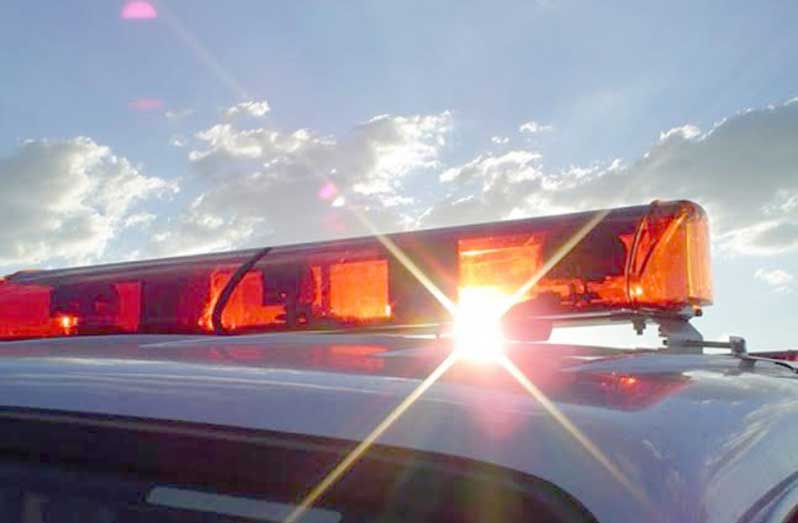
THE Traffic Department has seized four pieces of emergency warning equipment valued at more than $2 million from private vehicles over the past seven days, as the police intensify efforts to clamp down on the unauthorised use of sirens and emergency lights.
Traffic Chief, Assistant Commissioner of Police Mahendra Singh, said the equipment was removed from vehicles linked to a contractor, a private security company, a Customs Anti-Narcotics Unit (CANU) staff member and another individual.
During an episode of the Starting Point podcast, Singh stated that the seized equipment has been lodged for production as evidence when the respective matters reach the courts.
He said the Traffic Department has been using technology and information from members of the public to identify vehicles suspected of being fitted with unauthorised sirens.
“We have utilised the technology, that is to say, the Safe City, Safe Country cameras, and the SRIS cameras,” Singh said.
He explained that reports submitted by members of the public through the Road Watch application have also assisted police in identifying vehicles using the equipment.
According to Singh, information gathered from the cameras and public reports allow the Traffic Department to build a list of vehicles under investigation, while the motor vehicle database is then used to identify their registered owners.
“I know who I’m looking for,” Singh said, adding that the recent seizures demonstrate that the enforcement approach is producing results.
The Traffic Chief said the issue of unauthorised sirens remains contrary to the law and stressed that the equipment is not permitted simply because it is installed on a private vehicle associated with a particular business or organisation.
Asked who are legally permitted to use sirens, Singh pointed to the relevant provisions of the Motor Vehicle and Road Traffic legislation.
He said the law recognises three categories of emergency vehicles for the use of a “siren, gong or bell.”
“Those three classifications, until a regulation or there’s an amendment to the law, then those are the ones,” he said.
The categories identified by Singh are police vehicles, fire service vehicles and ambulances.
Recently there has been lots of public concern about private vehicles being fitted with emergency warning devices, which can give motorists the appearance of having emergency privileges on the road.
Singh said the Traffic Department’s enforcement efforts involve both technological detection and physical intervention, with the equipment removed from vehicles being preserved as evidence.
He maintained that the combination of camera surveillance, public reporting and access to the national motor vehicle database has provided the Traffic Department with greater capacity to identify and act against offenders.



