








BRAVELY speaking out against the noise that spills into their homes, residents across Guyana are raising concerns about the growing nuisance of loud music, booming vehicle sound systems and disturbances that stretch into the nights and early mornings.
This comes as the government moves to strengthen monitoring and enforcement measures aimed at tackling noise pollution, while seeking to strike a balance between residents’ peace and the country’s entertainment sector.
The government has planned to take a balanced approach to Guyana’s noise-nuisance problem, seeking to protect residents’ quality of life while allowing entertainment businesses to operate.
President, Dr Irfaan Ali recently announced that a multi-region task force has been established to examine noise nuisance in collaboration with the Guyana Police Force (GPF).
Measures include support for soundproofing bars and nightclubs, self-monitoring systems for open-air venues, and a multi-region task force working with the police to improve responses to noise complaints.
The government is also working with the Environmental Protection Agency (EPA) to strengthen efforts to monitor and address excessive noise.
The EPA has implemented noise-monitoring and public-warning systems, while the GPF has been working with the agency on noise enforcement, including the use of sound-level metres and training of police ranks in noise management.
For many residents, however, the issue is already a daily reality.
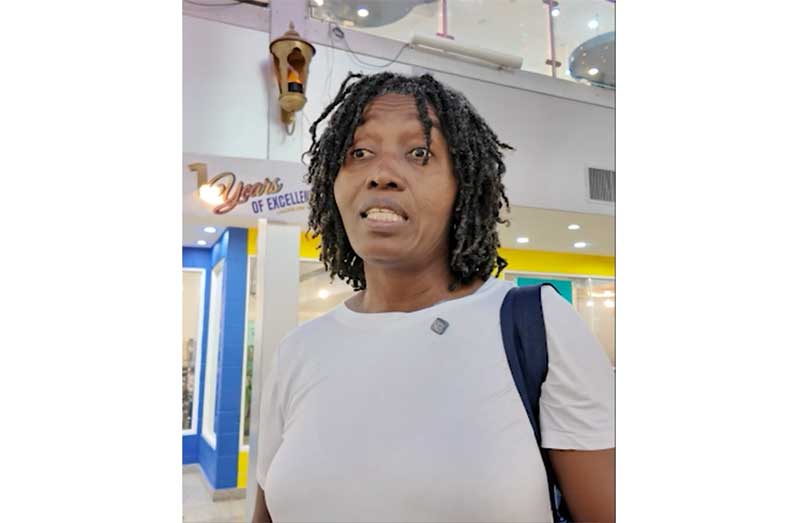



One woman said she experiences noise pollution “on almost a daily basis,” explaining that some neighbours place speakers outside their homes and play music loudly for hours at a time.
She noted that the disturbance can affect people trying to sleep or study and believes more consideration should be shown to those living nearby.
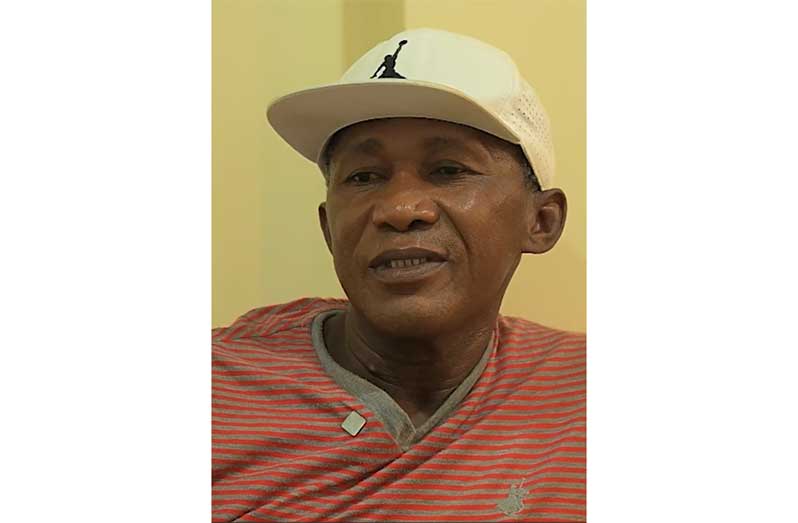
Another resident related that persons who play loud music should be mindful that others need rest, particularly those who must wake early for work. He described instances where music continues throughout the night, disrupting sleep and causing discomfort for residents.
He also suggested that police officers remind offenders to lower their music during late-night hours, rather than allowing disturbances to continue.
According to another resident, noise from vehicles equipped with powerful sound systems has become particularly bothersome. She described the loud bass from passing vehicles as overwhelming and said it can make normal conversation difficult.
A woman said excessive noise sometimes continues until as late as 02:00hrs, affecting her ability to sleep. She added that while police intervention can help bring an end to disturbances, residents often feel uncomfortable approaching offenders directly.
A young student also highlighted the impact of noise pollution on education, stating that loud music from passing vehicles can make it difficult to concentrate on studies during the night.
He suggested that authorities consider stronger penalties for repeat offenders as a means of reducing the problem.
Facebook users responding to the issue also shared a range of experiences and views about noise pollution.
Prem Harripersaud said a neighbour plays loud music almost every week, sometimes continuing until between 01:00hrs and 02:0hrs. He said a police outpost is located only one street away, but claimed the music is not stopped.
Bhola Ramdial, who identified himself as a resident of the Essequibo Coast, questioned whether noise nuisance should only be considered a night-time issue. He said music is sometimes played from 07:00hrs until 14:00hrs and claimed that despite calling the police, no officer responded.
Lancelot Lewis said a resident in his street begins playing music at around 05:00hrs, adding that others are reluctant to complain because they fear being subjected to verbal abuse.
Derrick Persaud described another early-morning disturbance involving vehicles. He said he went to a mandir at about 05:00hrs to avoid two vehicles he expected to pass around 06:00hrs while blasting music, but one vehicle passed at approximately 05:30hrs while he was writing his comment. He called for stronger measures against such disturbances.
Rambalee Shivlall raised concerns about the potential for confrontations when residents attempt to complain about loud music. Shivlall said some people place large speakers outside their homes and turn up the volume, warning that persons should not complain unless they are prepared for a “physical standoff.”
Derek Plummer focused on noise from vehicles, stating that loud music can trigger car alarms and cause heavy vibrations. He also complained about loud exhausts and vehicles producing back-firing sounds.
Julius Munroe-Jonas pointed to motorcycles as another source of disturbance, describing noisy motorcycles as a “constant noise nuisance” in society.
Khalil Salim called for the issue to be addressed, stating loud music and what he described as inappropriate lyrics can be heard near places of worship. He also called for restrictions on loud music from private and hired vehicles.
Meanwhile, Shamid Sheriff suggested that people should exercise greater discretion and proposed that persons responsible for noise disturbances could be charged and fined through the courts.
Ricky Speed raised questions about the technical side of noise enforcement, asking about the maximum permissible decibel level and how law enforcement determines when noise has crossed the threshold into a nuisance.
Cheryl Ann Fung-A-Fat offered a simple view on the issue, adding that noise should be controlled both during the day and at night.
Jai Salick Snr commented that music should be completely switched off at 22:00hrs.
This range of comments shows that residents’ concerns extend beyond late-night parties, with complaints also involving early-morning music, day-time disturbances, vehicle sound systems, motorcycles, loud exhausts and noise near places of worship.
It also highlights that the problem lies primarily with residents’ behaviour, vehicle owners, and enforcement.
As the government advances plans for enhanced monitoring and enforcement, many residents hope that the measures will help reduce noise disturbances and safeguard their peace, comfort, and quality of life.



