– 55 consultations held across Guyana, with indigenous communities among key stakeholders in policy development
GUYANA’S National Tourism Policy is expected to be completed by the end of this year, with the Government seeking to establish a framework for sustainable tourism growth as the country records increases in visitor arrivals and works towards its target of one million visitors by 2030.
The policy is being developed in collaboration with the Tony Blair Institute for Global Change and is intended to provide a comprehensive framework for tourism development and promotion, supported by a strategic action plan.
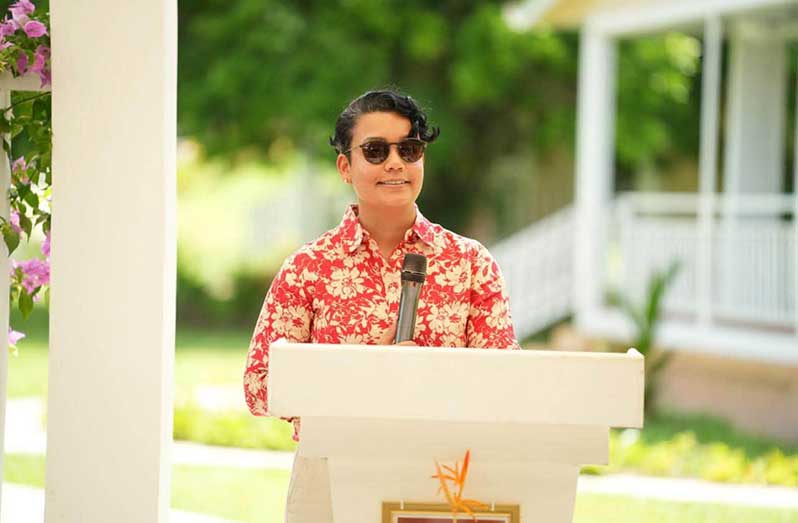
Minister of Tourism, Industry and Commerce Susan Rodrigues said the policy will examine several areas of tourism, including eco and sustainable tourism, sports tourism, cruise tourism and the emerging Meetings, Incentives, Conferences and Exhibitions (MICE) sector.
Speaking on the sidelines of a recent event, Rodrigues said the policy is being carefully crafted to ensure that the benefits of tourism extend beyond visitors to the communities and workers who support the industry.
“At the end of the day, this is all about promoting Destination Guyana. It is about ensuring that every visitor who comes, even a domestic visitor, every visitor who comes leaves a better person than they came, leaves with a better understanding of tourism and hospitality, and leaves with a deep appreciation for the workers in this sector,” she said.
Rodrigues said Guyana has reached a point where it can establish a comprehensive national policy to guide the sector.
“We can now talk about creating the National Tourism Policy, which we are working with Tony Blair Institute to create, that will be completed before the end of this year, and explores all types of tourism that is important to Guyana, including eco and sustainable tourism, sports tourism, cruise tourism, and the emerging opportunities in MICE tourism,” she said.
55 CONSULTATIONS
Consultations have been a major component of the policy development process, with 55 engagements held across the country so far.
Rodrigues said the consultations have involved a broad range of stakeholders, including tourism operators, indigenous leaders, Toshaos, tourism committees and community groups in areas where tourism contributes significantly to local economic activity.
“So far, we have had 55 consultations that have been held across the country, including in the Rupununi,” she said.
She said the engagements included Visit Rupununi, Toshaos and tourism committees and groups in Regions One, Two, Six, Seven and Nine.
“They have met different groups and different tourism committees from those regions, which includes, of course, indigenous leaders,” Rodrigues said.
The inclusion of indigenous communities is particularly significant as the Government seeks to expand economic opportunities in hinterland areas, where tourism can provide income through accommodation, guiding, transportation, cultural experiences, craft production and other services.
Indigenous communities explore opportunities
Rodrigues said discussions with indigenous leaders have also extended beyond the tourism policy itself, with communities being encouraged to develop projects that could benefit from financing opportunities through the proposed Guyana Development Bank.
During the recent National Toshao Conference, she said Toshaos and senior councillors were informed about the bank and encouraged to identify projects that could contribute to the economic development of their communities.
“We asked them to come up with projects for which we can fund almost immediately that would help their community to grow,” Rodrigues said.
She said communities were encouraged to consider opportunities beyond traditional investments, including tourism, manufacturing and small-scale agro-processing.
“Before the end of the one week at the conference, we had dozens of proposals that we consider viable for several communities, indigenous communities across the country, which we will be taking a closer look at,” she said.
The proposals, according to Rodrigues, demonstrate growing interest among indigenous communities in diversifying their economic activities and developing sustainable sources of income.
As work continues towards completion of the National Tourism Policy, the Government’s stated objective is to strengthen Guyana’s position as a tourism destination while ensuring that the sector’s expansion creates meaningful opportunities for the communities and people who contribute to its development.