






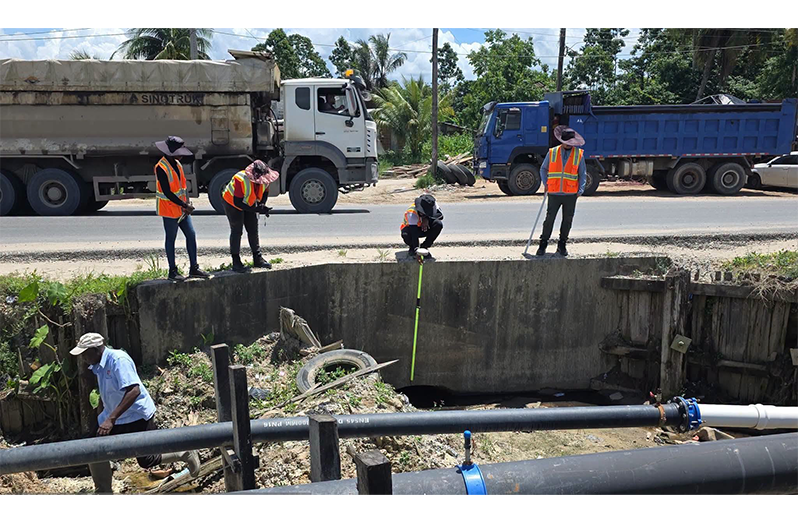
A U.S.-led research initiative focused on strengthening flood resilience and climate adaptation in Caribbean coastal communities is bringing international expertise to the region, with Guyana among the key areas of study.
The University of Louisiana at Lafayette, earlier this year, received more than US$697,000 from the U.S. National Science Foundation to support the international project, which aims to examine climate-related risks and develop strategies to improve the resilience of vulnerable communities and infrastructure.
As part of the research effort, Gregory Williams, a PhD student and lead researcher on the project, recently travelled to Guyana to conduct fieldwork in flood-affected areas.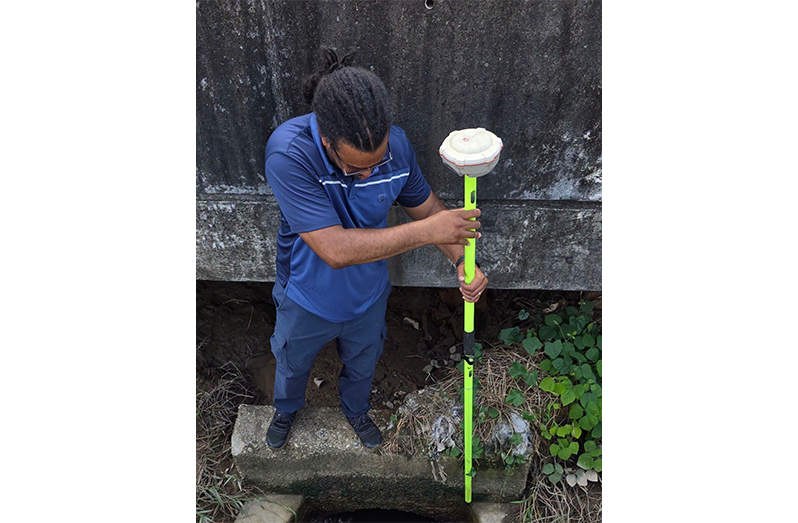
During his visit, Williams collected data that will contribute to the project’s ongoing analysis and help inform recommendations for more resilient infrastructural design and climate adaptation planning.
The research findings were also presented at the 13th IRF Caribbean Regional Congress, held in Georgetown from July 21 to 24, where Williams highlighted the importance of science-based decision-making, resilient infrastructural design and regional co-operation in addressing future climate challenges.
The project is examining how coastal communities across the Caribbean can better prepare for increasing climate risks, including flooding, through improved planning, engineering solutions and data-driven approaches.
Guyana’s participation in the initiative comes amid growing efforts to strengthen climate resilience, particularly as coastal areas remain vulnerable to rising sea levels, extreme weather events and drainage challenges.
Researchers involved in the programme say collaboration among scientists, policymakers and regional stakeholders will be critical to developing practical solutions that can support safer and more sustainable communities across the Caribbean.




