







— Mixed outlook as beekeepers anticipate higher yields while livestock and crop farmers brace for water shortage
AS Guyana prepares for the effects of El Niño, farmers across several agricultural sub-sectors are already putting measures in place to protect their livelihoods from what is expected to be months of hotter temperatures and prolonged dry conditions.
El Niño, a naturally occurring climate phenomenon caused by the warming of sea-surface temperatures in the central and eastern tropical Pacific Ocean, alters normal weather patterns around the world.
In Guyana, it is typically associated with below-normal rainfall, above-normal temperatures, declining water levels and an increased risk of bush and forest fires.
According to the Guyana Hydrometeorological Service, warmer conditions are expected to intensify from July, with the hottest and driest period forecast between mid-August and October. El Niño conditions are expected to persist through the remainder of the year and could extend into early 2027.

The prolonged dry spell is expected to place additional pressure on the agricultural sector, particularly cash crop, rice and livestock farmers, as dwindling water supplies increase the risk of crop stress, reduced yields and shortage of drinking water for animals.
As water levels decline in conservancies, reservoirs and creeks, irrigation systems could also come under pressure, while elevated temperatures are expected to increase the risk of heat stress and wildfires.
Despite the anticipated dry conditions, the Hydrometeorological Service has cautioned that periods of intense rainfall remain possible, meaning the threat of localised flooding in low-lying and poorly drained areas has not been eliminated.
The agency has urged farmers, residents, health officials and disaster-management authorities to prepare early to minimise the impacts of the expected climate conditions.
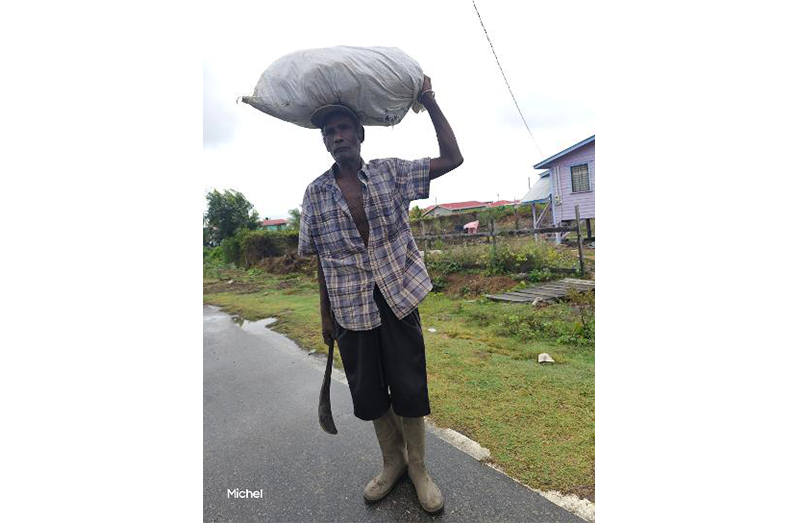
MIXED OUTLOOK FOR FARMERS
While many farmers are concerned about the months ahead, others believe the dry conditions could work in their favour.
For beekeeper Melvin Singh, whose apiaries are located at Parika, East Bank Essequibo, and Bonasika Creek along the Essequibo River, the anticipated dry season is expected to improve honey production.
Singh explained that prolonged rainfall limits honey production because bees are unable to leave their hives to forage for nectar.
Once conditions become drier, Singh plans to supplement his colonies with sugared water to support the bees while nectar sources recover.
He believes El Niño conditions will ultimately benefit local beekeepers by creating more favourable conditions for honey production.
Small ruminant farmer Abiola “Goldie” Hill of Den Amstel Village, West Coast Demerara, said her farm is better equipped than many others because her sheep and goats are housed in elevated pens.

However, she continues to rely on pasture grazing and says limited access to properly developed grazing lands remains a major concern.
Hill explained that while she utilises backlands in the village, the area lacks fencing, leaving her animals vulnerable to attacks by stray dogs.
She believes authorities should install fencing and improve drainage within the pasture to better protect livestock, while also providing a reliable source of water during the anticipated dry season.
Cash-crop farmer Errol Dealy of Experiment Village, West Coast Berbice, is equally concerned about access to irrigation water.
His farm, located behind the village, already experiences limited access to water, and he fears conditions will worsen if the dry spell persists.
Despite the challenges, Dealy said he intends to make full use of available resources to ensure his crops receive sufficient water for a successful harvest.
For cattle farmer Shakeem McCalmon, the forecast has forced difficult decisions.
McCalmon, who owns a herd of 63 cattle, said he has been researching ways to prepare for El Niño but has concluded that he will likely have to sell about 20 animals because of limited grazing land and water supplies.
Although farmers have been allocated pasture lands, he explained that the area remains undeveloped and unfenced, making it vulnerable to cattle rustling and other security concerns.
Without secure grazing areas, he said he cannot safely leave his animals unattended.
McCalmon, who lives at No. 22 Bel Air Village, West Coast Berbice, said he hopes to rebuild his herd once he secures properly fenced grazing land.
For now, however, he remains concerned about the months ahead.
He explained that his cattle are currently grazing on land earmarked for a new housing development after rice cultivation in the area ceased because of persistent rainfall.
Once construction progresses and residents begin moving into the housing scheme, that grazing area will no longer be available.
Left with few alternatives, McCalmon said livestock farmers like himself will continue hoping for adequate support to help them weather what is expected to be another challenging El Niño period.




