MINISTER within the Ministry of Culture, Youth and Sport Steven Jacobs has outlined an ambitious agenda to expand investment in sports, youth development, and cultural preservation.
He described them as essential drivers of sustainable economic growth in Guyana’s Indigenous communities.
Addressing village leaders on Wednesday during day three of the National Toshaos Council (NTC) Conference 2026, Jacobs said the government’s development strategy extends beyond infrastructure and economic projects to include programmes that empower young people, preserve Indigenous heritage and create new opportunities through sports and the creative industries.
He reminded the leaders that while the conference has focused on economic sustainability, housing and job creation, investment in people remains equally important.
“I know the vice-president was very clear in relation to key focus areas for this conference in relation to having economic sustainability… but very key and important to that are sports, your community facilities, preserving your culture, and ensuring our young people are part of the entire ecosystem for development,” Jacobs said.
To strengthen the country’s creative sector, the minister announced that the government is advancing work on Guyana’s Orange Economy, with Indigenous communities expected to play a central role through cultural heritage, tourism, gastronomy, fashion and craft.
He invited village leaders to contribute directly to shaping the national strategy, noting that their knowledge and traditions are critical to the sector’s success.
“The Indigenous communities and villages play a key and important role. We want you to be part of the national conversation as we craft our Orange Economy because you have valuable contributions to make in cultural heritage, tourism, food, craft and many other creative industries,” he stated.
The ministry is also investing $92 million, in partnership with the Ministry of Amerindian Affairs, to develop cultural spaces across Indigenous communities.
These facilities will support cultural performances, community events and the preservation of traditional practices.
Minister Jacobs said programmes aimed to develop young people are already producing tangible results.
More than 200 youths have participated in the ministry’s culture camps, gaining skills in dance, music and visual arts, while the Youth Entrepreneurship and Mentorship Programme has provided $50 million in grants to 20 youth groups.
The initiative has directly empowered 48 entrepreneurs, leading to the establishment of 18 new businesses and the expansion of two existing enterprises.
Meanwhile, the ministry’s coding and robotics programme is equipping young Guyanese with digital skills needed to compete in an increasingly technology-driven economy. Hinterland students are also making their mark nationally, with schools such as St Ignatius Secondary earning top honours at the National Science Fair.
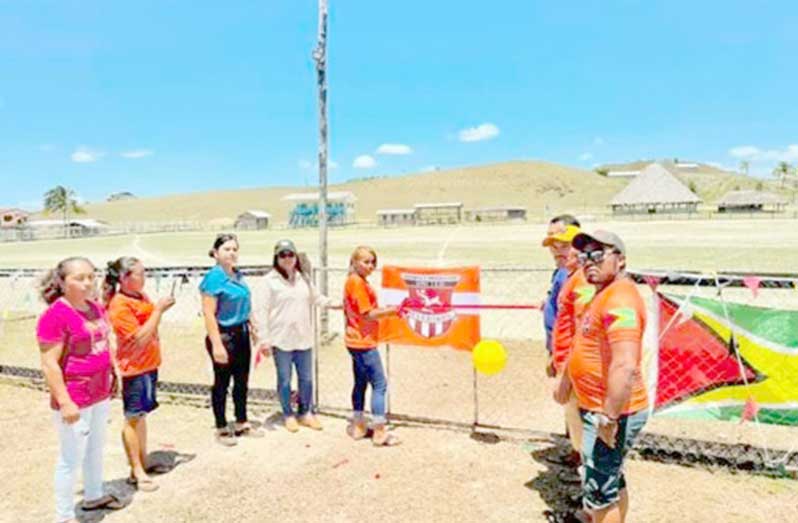
On the sporting front, Jacobs said government has invested nearly $1 billion to upgrade community grounds nationwide, providing improved lighting, pavilions and bleachers.
He welcomed Vice-President Dr Bharrat Jagdeo’s announcement that every village will receive an additional $1 million to further enhance sporting facilities, allowing communities to determine their own priorities.
The government is also constructing multi-purpose sports halls in Regions One, Seven, Eight and Nine, creating modern venues capable of hosting basketball, volleyball, futsal, cricket and community events that will also stimulate local economic activity.
Looking ahead, Jacobs announced that a comprehensive sports development plan is being prepared specifically for hinterland communities. The ministry will expand its coaching certification programme, deploy more youth and sports officers to underserved areas and continue identifying talented athletes for national representation.
“We’re working on a sports development plan for the hinterland villages because we see it as very important to ensure there is a sporting structure in every community” he said.
“We will also place youth and sports officers where they are needed so they can identify talent and connect communities directly with the ministry,” the minister said. (DPI)