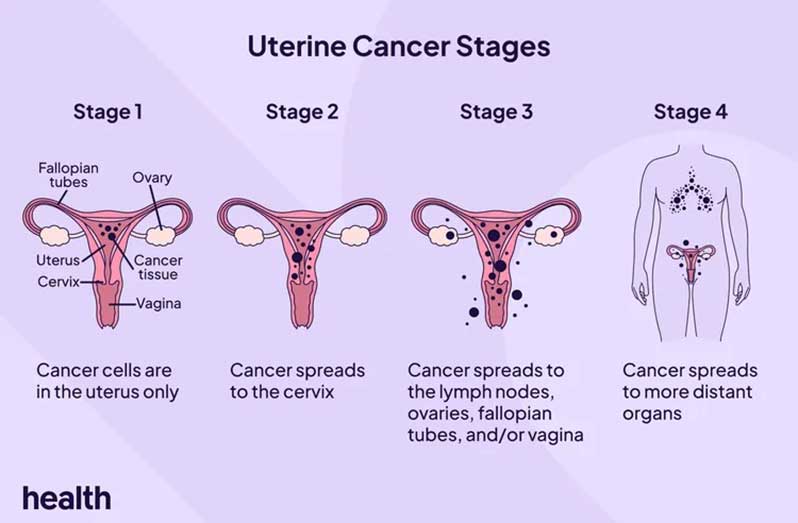
AS June marks Uterine Cancer Awareness Month, a specialist at the Georgetown Public Hospital Corporation (GPHC) is encouraging women to pay close attention to abnormal symptoms and seek medical attention early, stressing that prompt diagnosis can save lives.
Dr Latoya Young highlighted several warning signs associated with uterine cancer, particularly abnormal bleeding, which she described as one of the most important symptoms women should never ignore.
“Bleeding after menopause is never normal. That’s a big red flag,” Dr Young said, urging women who experience post-menopausal bleeding to seek medical care immediately.
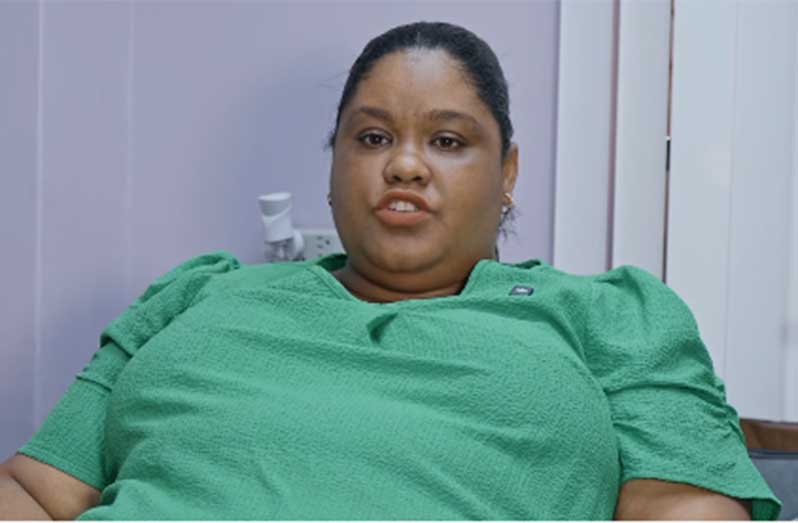
According to the doctor, post-menopausal bleeding could be an indication of uterine cancer and requires prompt evaluation by a healthcare professional.
She also cautioned against dismissing vaginal bleeding between menstrual periods, noting that it is another symptom that warrants medical attention.
Dr Young explained, “Bleeding between periods is never normal.”
“If you find that you’re bleeding between periods or your periods are heavier than normal, then you should seek care from a gynaecologist.”
The specialist noted that unusually heavy menstrual bleeding should likewise be investigated, as it may signal an underlying medical condition.
“Heavier than normal bleeding is not normal and you should seek medical attention,” she stressed.
Beyond abnormal bleeding, Dr Young identified unusual vaginal discharge after menopause as another symptom that should not be overlooked.
“You shouldn’t be having any discharge or bleeding after menopause. That’s not normal.”
Persistent pelvic pain or pressure was also highlighted as a warning sign.
“If you have those symptoms, seek medical attention. It’s not normal,” Dr Young advised.
While emphasising the signs that should prompt concern, the physician also noted that some symptoms are generally considered normal, including occasional mild cramps during menstruation, mild bloating during periods, and the occasional missed menstrual cycle due to stress.
However, she urged women not to ignore symptoms that fall outside of what is considered normal.
“If you’re experiencing any of those signs that warranted a red flag, then you should seek help from a gynaecologist,” she said.
Dr Young concluded with a message underscoring the importance of awareness and early intervention.
“Know the symptoms, know the signs. Seek help early. Early detection saves lives.”
Uterine cancer is one of the most common cancers affecting the female reproductive system.
Health professionals continue to emphasise that recognising symptoms early and obtaining timely medical care can significantly improve outcomes for women diagnosed with uterine cancer.