






THE Carnegie School of Home Economics (CSHE) has been opened for 93 years. It is an institution that has offered endless opportunities to Guyanese.
It has grown alongside Guyana, upskilling all those who would have walked through its door expressing an interest in learning skills in cooking, housekeeping, cosmetology, interior design, and care.
The CSHE has a distinguished legacy and was established in 1933 with a grant from the Carnegie Trustee. It was under the visionary leadership of its first Principal, Ms. Briant, that the CSHE secured essential governmental support in 1937, which laid the foundation for its growth.
In its initial phase, CSHE was known as the Carnegie Trade School and was founded with the primary objective of providing practical vocational training, particularly to young women.
The institution aimed to equip its students with critical skills that foster employment, self-sufficiency, and enhanced family and community life.
Emphasising areas such as garment construction, catering, and home economics, the school provided public services, including custom-made garments and large-scale catering.
It was said that the founders envisioned a comprehensive institution that integrated education, technical training, and community service.
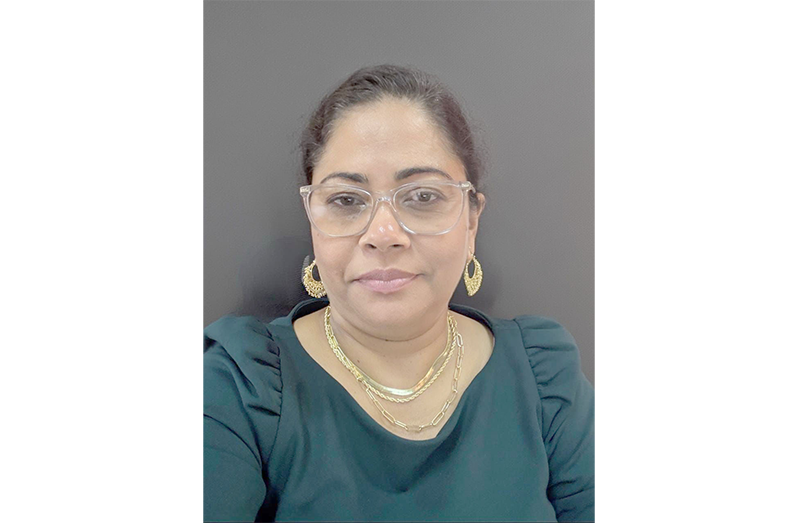
Principal Dr Sharmaine Marshall recently told this newspaper that a significant transition occurred in 1958 when the trading section was phased out. This led to a rebranding of the institution as the Carnegie School of Home Economics.
This transformation emphasised the goal of equipping students with vital skills related to family and community life.
In the 1960s, there was a further expansion of the school’s mission as it began training educators in Home Economics.
“The introduction of a dedicated Catering Department in 1971 marked a pivotal advancement, offering specialised training in Food Preparation and Service. From 1988 to 1990, the programme benefitted from substantial enhancements through the support of the Association of Canadian Community Colleges and the Canadian International Development Agency,” Dr Marshall said.
Additionally, as the new millennium approached, Carnegie embraced innovation by launching programmes in General Cosmetology and Garment Construction, supported by the Social Impact Amelioration Project.
Today, Carnegie upholds its tradition of excellence and service, consistently updating its programmes and expanding opportunities for its students.
As the school embarks on a journey of rebranding and institutional growth, the CSHE head said that the school is “well- positioned to meet the evolving demands of the Tourism, Hospitality, and related industries, promising a bright future ahead.”
Carnegie has largely been successful in achieving its original objectives over the years. Since its inception, the Carnegie School of Home Economics has consistently provided practical and professional training in areas such as catering, garment construction, cosmetology, and home economics.
The school has equipped quite a number of students with employable skills, contributed to personal and community development, and adapted its programmes to meet the evolving needs of society and industry.
Carnegie’s ongoing expansion and modernisation efforts reflect an unwavering commitment to fulfilling its founding purpose and allows Guyanese to build new skills with its newly upgraded programmes as the demands of the hospitality and tourism industries continue to increase.
Asked about common misconceptions, the principal said the CSHE is frequently misunderstood as an institution exclusively offering traditional home economics training or programmes tailored solely for women.
“In truth, the institution has undergone significant transformations and now presents a diverse array of professional and technical programmes. These programmes encompass disciplines such as Hospitality, Catering, Cosmetology, Garment Construction, and various other skill-based fields.
Additionally, there is a misconception that CSHE focuses solely on domestic skills. The institution is actually dedicated to preparing students for a wide range of career paths, entrepreneurship opportunities, and continuous professional development,” Dr Marshall related.
Through the continuous modernisation of its curriculum and training, the CSHE remains aligned with the evolving demands of today’s workforce and industry standards.
Looking to the future, it was said that the Carnegie School of Home Economics is moving toward a more decentralised operational model across Guyana. This strategic shift, according to Marshall, will provide the institution with greater autonomy in decision-making in areas such as programme development, resource management, and curriculum updates.
As a result, the school will be better equipped to respond to the needs of the tourism, hospitality, and other related industries, while also strengthening partnerships with local businesses and training agencies.
Overall, this decentralisation aims to enhance Carnegie’s flexibility, efficiency, and alignment with labour market demands.
The Carnegie School of Home Economics is open to a diverse mix of learners. These attendees include school leavers seeking practical and vocational skills after completing secondary education; adults looking to enhance their skills or acquire new competencies for employment or self-employment and Individuals interested in technical and vocational training across various fields.
This inclusive approach fosters a dynamic learning environment, catering to the educational needs and aspirations of all students.




