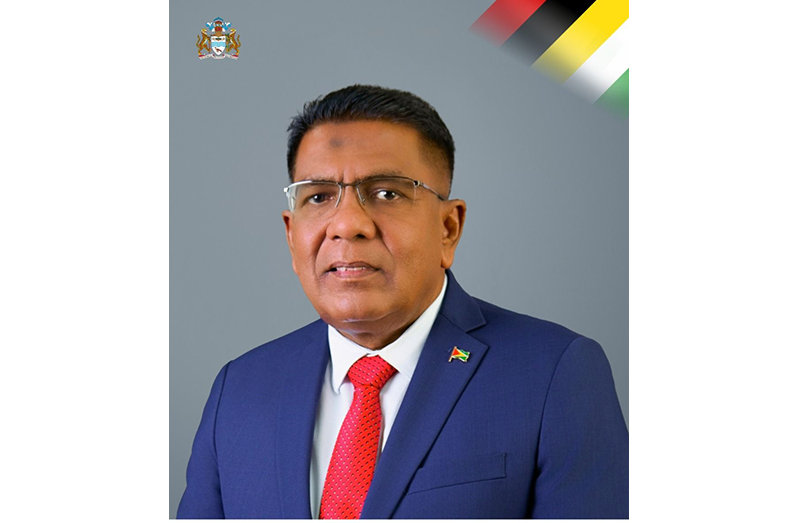
–Agriculture Minister urges structural reforms
ONGOING conflict in the Middle East is placing renewed pressure on global supply chains, prompting urgent discussions among regional policymakers, with Agriculture Minister Zulfikar Mustapha warning that Caribbean agri-food systems remain highly vulnerable to external shocks.
Mustapha made the foregoing remarks on Wednesday during a virtual meeting with Muhammad Ibrahim, Director-General of the Inter-American Institute for Cooperation on Agriculture (IICA), alongside regional and international officials. The discussions focused on the implications of the Middle East conflict for food production, supply, and pricing across the Caribbean.
According to the minister, recent global crises — including the COVID-19 pandemic, the Russia-Ukraine war, and now tensions in the Middle East — have consistently exposed structural weaknesses in the region’s agri-food systems. He explained that these shocks quickly ripple through Caribbean economies, driving up energy and transportation costs, disrupting fertilizer supplies, and increasing food prices.
“Rising energy prices increase the cost of production, transport, irrigation, and cold storage; fertilizer disruptions tighten supply, elevate input costs, and reduce yields; and logistics and shipping constraints delay imports,” Mustapha said, noting that these factors ultimately contribute to inflation and reduced purchasing power for households.
He said that countries within the Caribbean Community have already implemented a range of short-term measures to cushion the immediate impact. These include fuel support for farmers and fisherfolk, tax reductions on essential food items, fertilizer subsidies, and the promotion of composting. Governments have also pursued bulk procurement strategies, expanded social protection programmes such as school feeding and cash transfers, and introduced measures to prevent hoarding and artificial shortages.
However, Mustapha stressed that such interventions alone are insufficient to safeguard long-term food security, underscoring the need for structural transformation across the sector.
He outlined several priority areas, including increased investment in renewable energy systems such as solar-powered irrigation, expansion of local food production, and efforts to reduce dependence on imports through substitution strategies. Additional measures include shortening supply chains, diversifying fertilizer sources, and strengthening local organic fertilizer production.
The minister also highlighted the importance of modernising ports, storage, and logistics infrastructure, while establishing robust food price monitoring mechanisms and early warning systems. Investments in rural development and climate-smart agriculture were also identified as being critical to improving resilience.
Looking ahead, Mustapha said that with support from international partners such as IICA, and collaboration with the private sector, CARICOM aims to expand technical assistance in renewable energy for agriculture, finance climate-resilient infrastructure, enhance food security monitoring systems, and advance research into alternative fertilizers and resilient crop varieties. He added that digital agriculture and precision farming will also play a key role in strengthening the region’s agri-food systems.
The discussions come amid growing global uncertainty, as Caribbean nations intensify efforts to shield their economies and populations from the far-reaching impacts of geopolitical instability.