 RESIDENTS in communities located in the Mahaica Watershed area have reported a number of environmental issues affecting their daily lives to the Environmental Protection Agency (EPA) and other partner agencies.
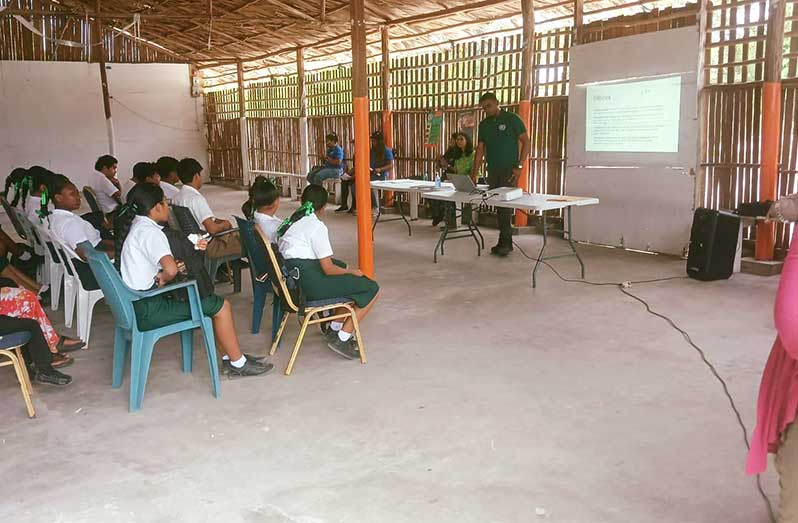
According to the EPA, several residents, students, and local stakeholders rallied together to raise concerns, and discuss practical solutions for protecting the watershed at a series of inter-agency community meetings hosted by the Guyana Wildlife Conservation and Management Commission.
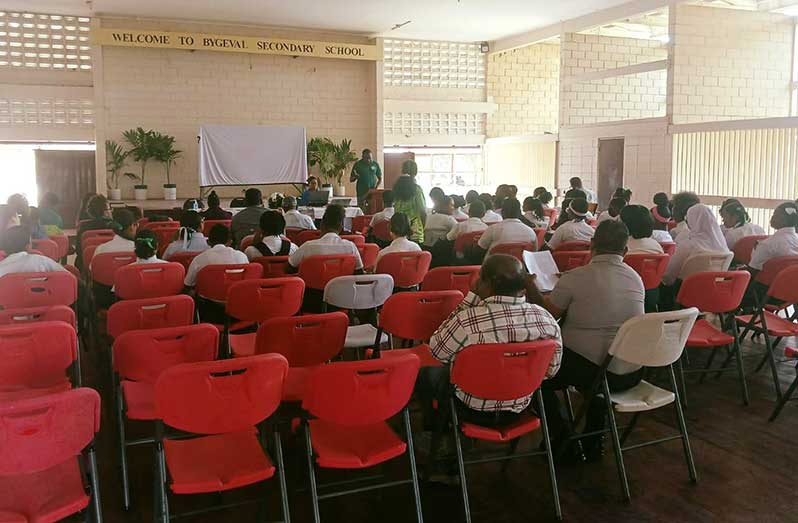
These meetings were held between March 4 and March 9, 2026, at Baiboo Primary School, Bygeval Secondary School, and at St. Cuthbert’s Mission.
In Baiboo, residents highlighted serious concerns about solid waste from the Mahaica Market being stockpiled and dumped into the Mahaica River, and the discharge of untreated wastewater and sewage from riverside properties without septic systems.
In addition to this, concerns were raised about wildlife conflicts, unsustainable fishing practices, and the environmental disturbance caused by high-speed private jet skis along the river.
Meanwhile, at Bygeval Secondary, the EPA said illegal dumping of waste along the roadsides, unpleasant odours from commercial poultry and pig-rearing activities, derelict vehicles which harbour African bees, and dust from rice mills affecting nearby residents, teachers and students were among the issues raised.
At St. Cuthbert’s Mission, residents called for stronger interim solutions to waste management. This included the use of an incinerator which will add to the broader national solid waste interventions that are being developed.
Coming out of the meetings, several recommendations were made and there were investigations into the reported waste dumping and sewage discharge into the Mahaica River, follow-up meetings with communities to report on actions taken, and increasing the number of environmental clubs within the Mahaica Watershed.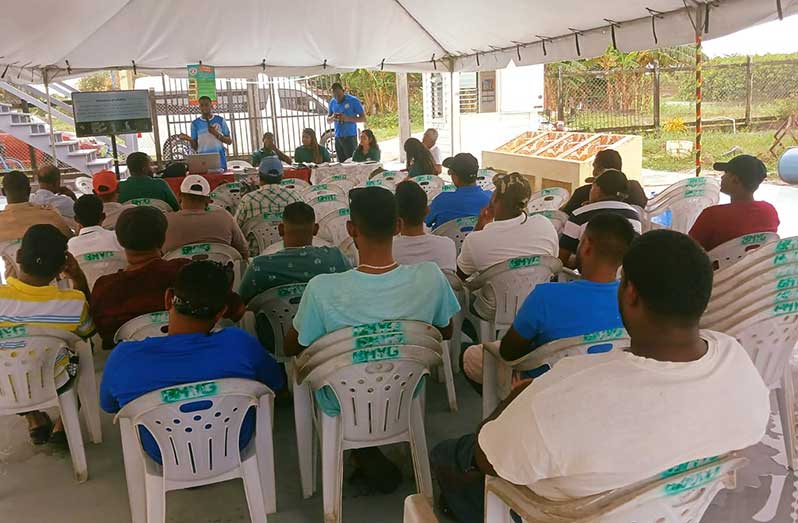
Along with these, residents called for additional actions to be discussed, including education and awareness sessions, litter prevention warden training, vendor responsibility for waste bins, and improved waste disposal arrangements.
The EPA noted that the meetings were not only about identifying problems but strengthening collaboration and accountability as well.
Protecting the Mahaica Watershed, requires more than one agency or intervention, the agency said, adding that it also requires community voices, coordinated actions, and a shared commitment to maintaining a clean, healthy, and sustainable environment for future generations.