






–Caesar, Reece resentenced to life imprisonment
THE Guyana Court of Appeal, on Wednesday, delivered its long-awaited ruling in the appeals arising from the 2008 Bartica massacre, declining to continue the posthumous appeals of two convicted men while resentencing the remaining appellants to life imprisonment.
The decision was delivered by one of the three judges on the panel, Justice of Appeal Jo-Ann Barlow. The other two judges on the panel were Justices of Appeal Dawn Gregory and Rishi Persaud.
The appeals had been filed by four men convicted in connection with the deadly attack on the mining town of Bartica in February 2008: Mark Royden Williams, Dennis Williams, Celbert Reece, and Michael Caesar. In addressing the cases of Mark Royden Williams and Dennis Williams, the appellate court first considered whether their appeals could continue following their deaths.
Mark Royden Williams was convicted of eight counts of murder, while Dennis Williams was found guilty of seven counts of murder and five counts of manslaughter.
The trial judge sentenced them to death on the murder convictions and imposed life imprisonment for the manslaughter offences. Both died while their appeals were still pending—Mark Royden Williams in 2023 and Dennis Williams in July 2024.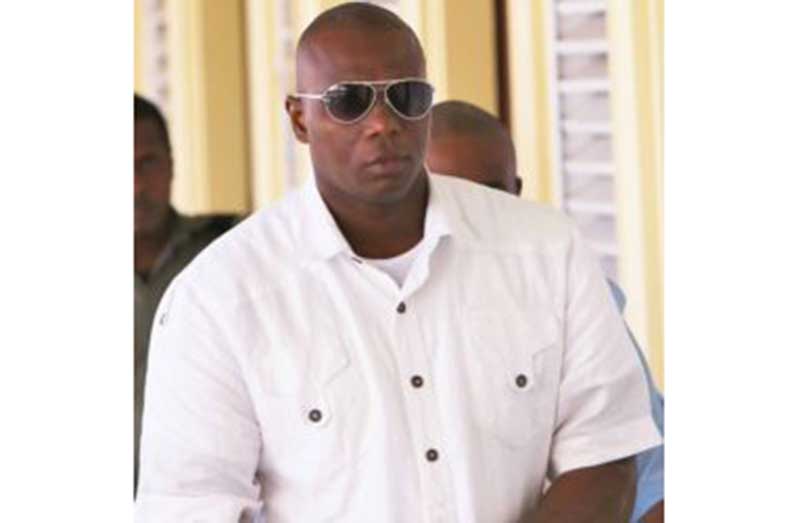
Dennis Williams died while in prison custody, whereas Mark Royden Williams was shot and killed by law enforcement officers after escaping from the Mazaruni Prison.
According to the court, in jurisdictions such as Guyana there is no legislative provision allowing the right to appeal, a personal act, to continue after the death of the appellant.
However, the judges noted that the Commonwealth position allows a court to exercise discretion to continue an appeal posthumously in exceptional circumstances and where it would be in the interest of justice.
After examining the circumstances of the case, the court concluded that it was not a suitable matter for that discretion to be exercised. As a result, the Court of Appeal declined to allow the appeals of Mark Royden Williams and Dennis Williams to continue after their deaths.
“Reputational or emotional incentives to pursue posthumous exoneration are not sufficient grounds for the exercise of any discretion that the court may have to act in the interest of justice. To hold otherwise would not only contravene established common law principles, but would also risk expanding appellate jurisdiction based on sentiment rather than law. The appropriate forum for any reform in this area lies in Parliament,” the Court of Appeal held.
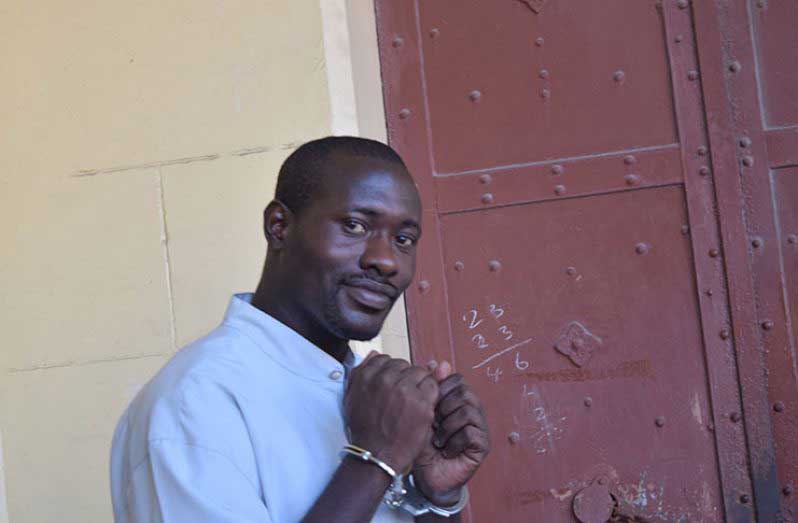
The Court of Appeal also considered the appeal against sentence filed by 44-year-old Michael Caesar, who had previously pleaded guilty to 12 counts of manslaughter arising from the 2008 attack in Bartica and a further eight counts of manslaughter linked to the killings in Lusignan.
For the Lusignan killings, the trial court imposed a sentence of 65 years’ imprisonment on each of the eight counts of manslaughter. However, deductions were made, including seven years for time already spent on remand, 11 years for his guilty plea, and two years for other mitigating factors, resulting in a final sentence of 45 years on each count.
Those sentences were ordered to run concurrently, with the court further directing that he must serve a minimum of 40 calendar years before becoming eligible for parole.
In relation to the Bartica incident, the court initially imposed 75 years’ imprisonment on each of the 12 manslaughter counts. A deduction of 15 years was made to account for his guilty plea, bringing the final sentence to 60 years’ imprisonment on each count.
Those terms were also ordered to run concurrently, and the court directed that he serves a minimum of 40 calendar years before being considered for parole.
The Court of Appeal found that the determinate sentence previously imposed for manslaughter—amounting to 75 years—effectively exceeded life imprisonment.
While acknowledging that harsh penalties were warranted given the gravity of the crimes, the court held that any sentence must remain within the confines of the law. Consequently, the judges set aside the previous sentences and embarked on a resentencing exercise.
For the Lusignan massacre, Michael Caesar was resentenced to life imprisonment on each count, with 38 years to be served before he becomes eligible for parole. The court deducted eight years for time spent on remand, leaving 30 years to be served before eligibility for parole.
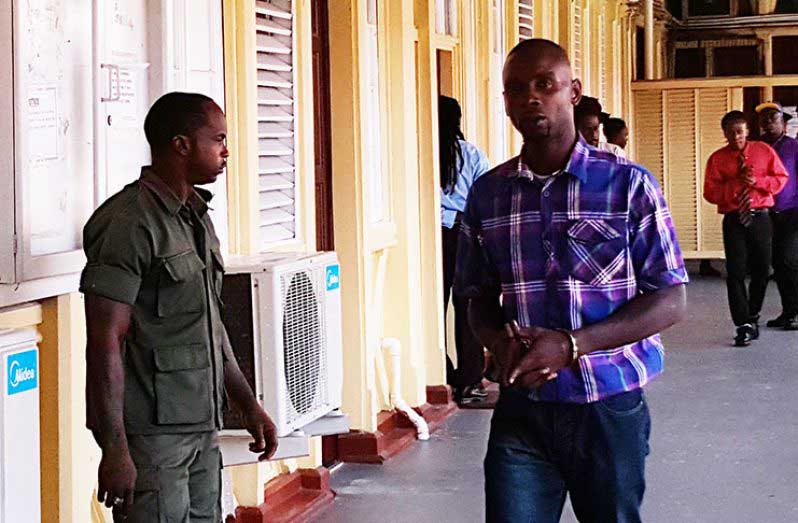
For the Bartica massacre, the court imposed life imprisonment on each count with 40 years to be served before eligibility for parole. In this instance, no deduction was made for time spent on remand, as the period had already been accounted for.
The sentences for Lusignan and Bartica massacres are to run simultaneously. All sentences will run from December 8, 2016—the date on which Caesar was sentenced in the High Court.
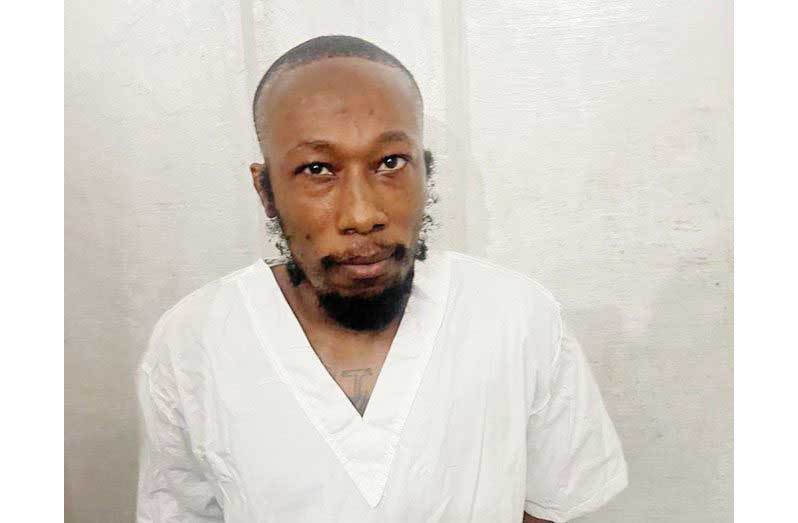
The Court of Appeal of Guyana also resentenced Celbert Reece, 49, for the Bartica massacre. He had pleaded guilty to manslaughter and was originally sentenced to 35 years’ imprisonment.
In reconsidering his punishment, the appellate judges took into account several factors.
The court noted that although Reece deserved a harsh sentence for his role in the killings, it also considered the efforts he has made while incarcerated to reform himself.
Reece was therefore resentenced to life imprisonment on each count of the 12 counts, with eligibility for parole after 34 years. Eight years were deducted for time spent on remand, resulting in a final parole eligibility period of 26 years on each count. The sentences will run from November 18, 2016, the date on which he was sentenced in the High Court.
The appeals arise from the events of February 17, 2008, in Bartica and January 26, 2008, in Lusignan, when heavily armed gangs carried out coordinated attacks on the two communities.
The Lusignan massacre occurred on January 26, 2008, in Lusignan, when 11 residents, including children, were brutally murdered by a gang led by Rondell “Fineman” Rawlins.
Following this attack, Rawlins and his group carried out another massacre in Bartica, killing 12 people, before Rawlins and several suspected gang members were later killed by Guyanese security forces.
The victims of the Lusignan attack were Clarence Thomas, Vanessa Thomas, Ron Thomas, Mohandan Goordat, Seegopaul Harilall, Seegobin Harilall, Dhanwajie Ramsingh, Seecharran Rooplall, Raywattie Ramsingh, Shazam Mohammed and Shaleem Baksh.
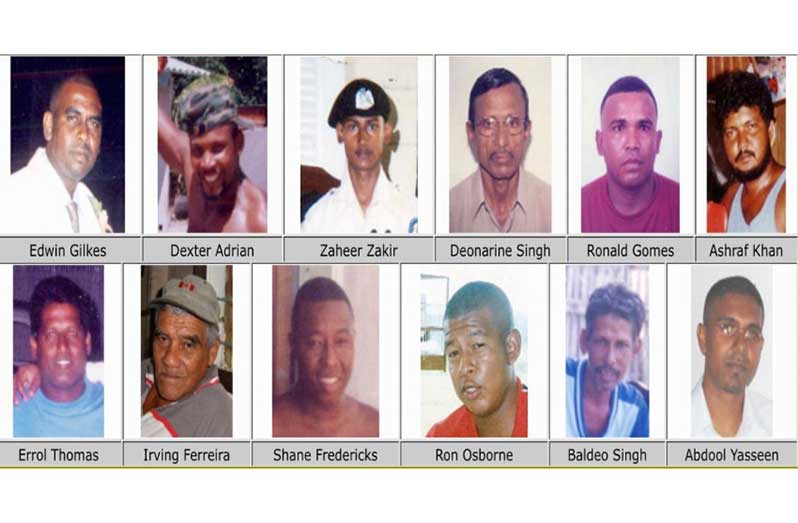
Investigations found that about 20 gunmen arrived in Bartica by speedboat at the Transport and Harbours wharf around 10:00 p.m. Their first target was the Bartica Police Station, where Corporal Zaheer Zakir, Constable Shane Fredericks, and Constable Ron Osbornes were killed.
The attackers then stole cash, weapons, ammunition and a police vehicle, which they used to move through the town firing at civilians. Irwin Gilkes was fatally shot during that phase of the attack. The gunmen later stormed CBR Mining, where Irving Ferreira was killed and two safes containing cash and gold were taken along with additional weapons and ammunition.
Before fleeing the town by boat, the group shot and killed Dexter Adrian and returned to the wharf area where Abdool Yassin Jr, Deonarine Singh, Errol Thomas, Ronald Gomes, Baldeo Singh, and Ashraf Khan were executed. The attack lasted about an hour and left 12 people dead, including three police officers, making it one of the most devastating incidents in Bartica’s history.
The Court of Appeal had reserved judgement after hearing submissions in the case and had indicated that its ruling would be delivered on March 11, 2026.




