
I HAVE referenced the concept of burnout in advocacy, social work, and community development many times in this column. I have expanded on how long hours, limited funding, and emotional fatigue can lead to an inability to get work done. The concept of “burnout” is not the only one that is affecting people severely. I recently learned about “moral injury” and have experienced it many times without even realising what the label was. It is a quieter wound that many people in “helping professions” carry. Rest, vacation, or breaks, unfortunately, cannot help with this concept.
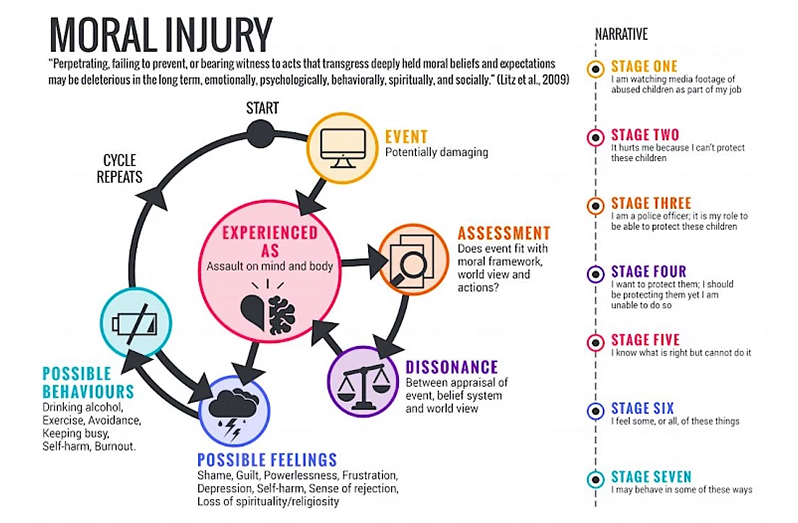
Moral injury is a bit self-explanatory in its definition. It happens when professionals are repeatedly placed in situations that go against their “morals”. It is where they know what the right thing to do is, but are constrained from doing it. Burnout stems from being overworked, but moral injury stems from betrayal. For those working in social justice, humanitarian aid, health, education, or advocacy, moral injury often shows up when resources are scarce but needs are overwhelming—when a survivor is turned away because funding has run out; when a community is consulted but never truly heard; when photography opportunities and reporting requirements mean more than the outcome of a project; when success is measured in statistics rather than human dignity.
Unfortunately, there can be a misuse of the word “resilience”, and it often adds to the intensity of moral injury. Workers are told to be “resilient” in environments that do not protect them or the people they serve. When a culture of unethical practices exists, you question your role in it over time. Even as an innocent bystander, you might feel the “moral injury” of being complicit. In small societies like Guyana’s and across the Caribbean, the effects of moral injury can be even more detrimental because communities are very small and tight-knit. The professionals who often work in these communities have a higher caseload ratio, which means the entire community might also fall into their portfolios. In these cases, the community members are not just “clients”; they are your relatives, childhood friends, classmates, and family members. The ethical considerations become personal.
You might be wondering what moral injury looks like. It comes in many forms. You might feel numb, experience withdrawal from spaces you once cared deeply about, intense anger or shame, and feelings of worthlessness. It is often described as cynicism where hope once lived. A common misconception is that people leave their jobs simply because they do not care. That is quite the opposite. They often leave because they indeed care—and they care enough to know the system is working against them and those they serve.
The concept of moral injury needs to be addressed deeply and not just at a surface level. If you think you are experiencing moral injury, you can attend wellness workshops, motivational speeches, or visit your counsellor for further help. Apart from personal efforts to alleviate its effects, moral injury also requires strong leadership, adequate resources, and a culture of responsibility and accountability. It requires the ability to understand that sometimes the issues are beyond us and result from “broken systems”.
As I end this week’s column on this newfound topic, I hope you consider putting a label on “moral injury” if that is what you think you are experiencing. Validate the experience, because it is a sign that your moral compass is still intact. It means you can still set boundaries and see things objectively—for what they are. The ability to do good work should not come at the cost of losing yourself in the process. If our systems break the very people trying to uphold justice, then the problem is not the workers—it is the work environment itself.