






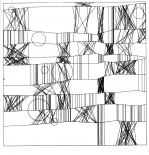
DIGITAL art is the process of using digital technology to create art. It goes beyond the confines of traditional art. The Digital age (also known as the information age) emerged between 1950 and 1970. Evidence of digital art (formerly known as computer art), emerged in the 1960s with works of German artist Frieder Nake, and American artist Michael Noll. Both men are pioneers of computer art. Frieder Nake created a computer algorithm that enabled the machine to draw a series of shapes to make artwork. An algorithm, by the way, is a programmed list of instructions that tells a computer what to do. The resulting computer-generated drawings were some of the earliest examples of art done on a computer. Dr Noll was a pioneer in many aspects of the field. His renowned computer-generated ballet was also created in the early 1960s and was the first such use of computers. His study comparing the aesthetic response to a computer-generated pattern versus a painting by Mondrian has become a classic. In the late 1960s and early 1970s, he constructed interactive three-dimensional input devices and displays and a three-dimensional, tactile, force-feedback (“feelie”) device that were the forerunners of today’s virtual-reality systems. He also was one of the first researchers to demonstrate the potential of scanned displays for computer graphics.
I was first exposed to digital art a few years ago when a company called Toon Boom Animation Incorporated, through Brainstreet, offered training in animation. Classes were held at Brainstreet group in Albert Street, Queenstown. Coming from a traditional art training where even graphic design was done by hand, I was very much impressed by the idea of using a computer to draw. The experience was unlike any other. We worked on touch screen computers, using digital pens to draw. The software we used was called Toon Boom Harmony. We were learning character design and construction, squash and stretch, anticipation, drag and overlapping action and more. After several weeks in the class, I realised that animation was not my gift and I dropped out of the class. The entire experience was eye-opening, and as an artist, I felt a greater appreciation for those who work in animation. They truly have a unique gift.
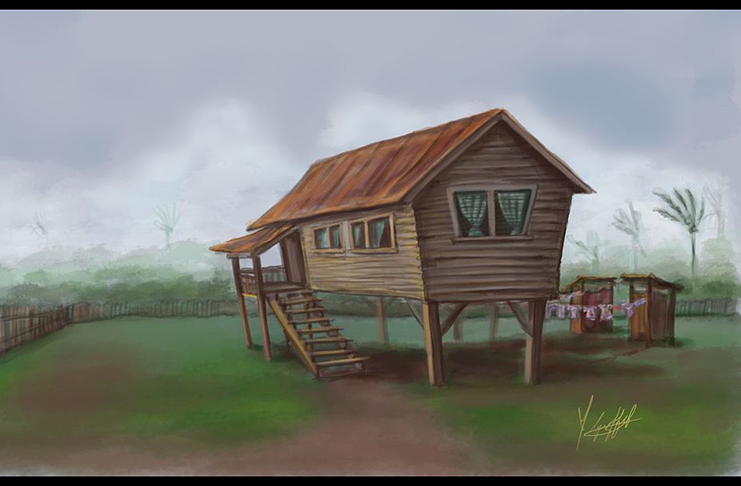
Digital art is used mainly for advertising and form for visual effects in films. Digital Art comes in many forms. Most often it’s either solely computer-generated, drawn using various types of software, or digital paintings sourced from photos.
Let’s compare traditional art with digital art. Traditional art such as oil painting has been around for centuries. It involves a long process of sketching the subject on canvas, mixing paint for colour, picking up the paintbrush to paint and patiently waiting for your work to dry. However, with Digital Art, much time is saved. Shading techniques are easily executed. Hatching lines applied at various angles can be applied by the computer to create texture and contrast. When digital art was introduced in the 60s, it was not recognised as an actual art form. Over time, it became an acceptable form of art.
Some of the best software for creating digital art from photos is adobe photoshop, snap art, foto sketcher and akvis sketch and akvis oil paint. Our local digital artists include Michael Griffith and Tricia Harris. One can view their works on their Facebook and Instagram pages.




