

Mother of six empowers herself for a better future
KATINA Macey received the Best Student and Master Techniques Awards for the Food for the Poor (FFP) Braids of Hope Project, which aims to empower young women to gainful employment through skills training.
For Macey, a mother of six daughters, the Braids of Hope Project represents more than just an opportunity to learn. It is a pathway to a brighter future for herself and her family.
A self-taught braider, she spent years honing her skills through practice and determination, and her efforts eventually paid off.
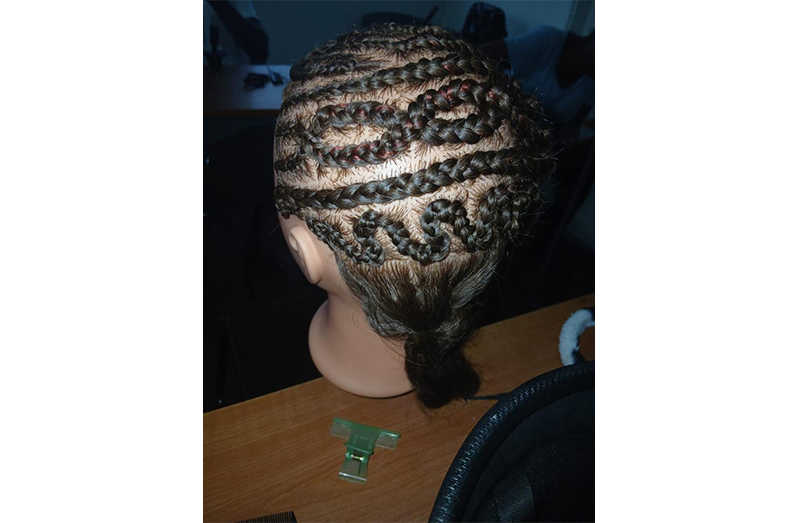
While she had the talent and passion for braiding, she recognised the need to develop her craft further and gain the knowledge to turn her skill into a sustainable source of income.
When the opportunity arose to join the Braids of Hope Project, Macey eagerly embraced it. She described the initiative as both timely and relevant to her personal and professional goals.
“I’m happy to be a part of this project because it is helping me improve my braiding skills and teaching me things that are important if I want to make this a business,” she shared.
Beyond technical braiding techniques, Macey appreciates the project’s holistic approach.
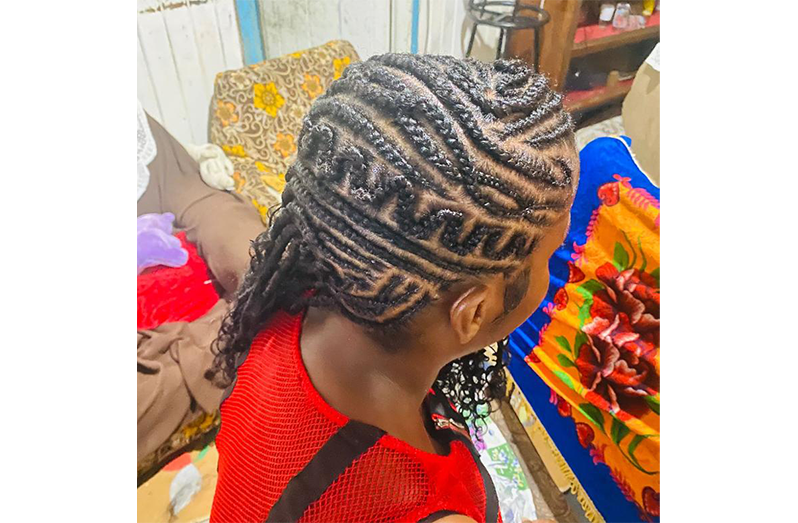
Through the programme, she is gaining valuable knowledge in areas such as sanitation and hygiene practices, goal setting, customer service, and financial management – skills that are essential for operating a successful business.
As she continues her journey through the Braids of Hope Project, Macey remains focused on her dream of building a profitable enterprise that will help support her six daughters and create greater financial stability for her family.
Her story is a testament to the power of opportunity, determination, and skills training to transform lives and create pathways to economic empowerment.
Macey told Pepperpot Magazine that since she completed the course, she is better equipped, can do more trendy styles, and has gained more customers.
Even though she doesn’t have a place for her small business, she’s set on establishing one. For now, she is working from her home in Stevedore South and also does home visits for clients.
She added that she is earning more now to help with the cost of living and will enrol in the make-up course because she wants to equip herself with more skills that are worth having.
Macey said being multi-talented today is key to success because it lets her earn more, and she has always tried to improve herself as a progressive woman who can cook, bake, knit, and do many things to make an honest living.
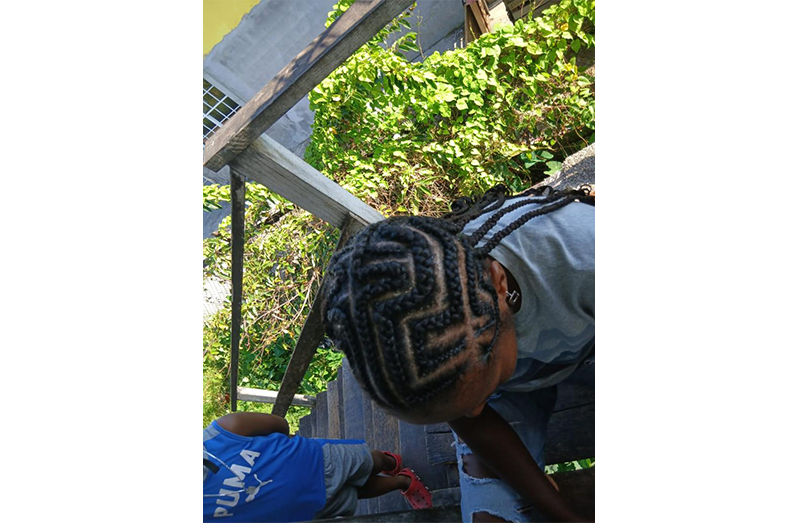
Braids of Hope Project
Young women in vulnerable communities often have creativity, determination, and a willingness to work but may face barriers that limit their ability to participate in economic opportunities fully.
These barriers may include limited access to vocational education, financial challenges, unemployment, underemployment, family responsibilities, limited professional networks and insufficient business knowledge.
Within South Georgetown, communities such as Tucville, Festival City, Stevedore Housing Scheme and East La Penitence include young people who can benefit from practical skills training and structured livelihood development opportunities.
Hair braiding is deeply connected to culture, identity and personal care. It is also a service with strong income-generating potential.
Compared with some other businesses, hair braiding can require relatively low initial start-up costs.
A trained braider can begin providing services from home, travel to clients or seek employment within the beauty industry.
Despite this potential, informal skills alone may not always translate into a successful business.
A braider must understand hair and scalp care, hygiene, sanitation, client safety, customer service, communication, pricing, record-keeping and marketing.
Recognising this, Food for the Poor (Guyana) Inc. developed the Braids of Hope Project as a holistic skills development initiative.
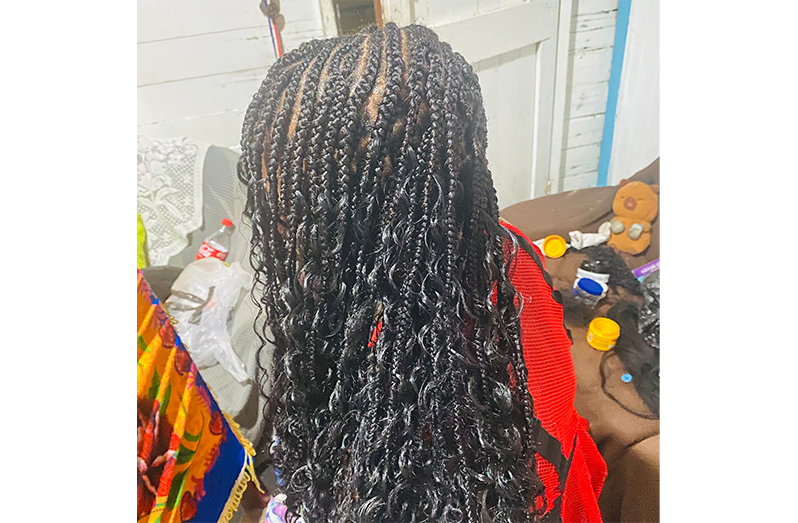
The project sought to transform hair braiding from an informal skill into a potential pathway to employment, entrepreneurship, and sustainable income generation.
The Braids of Hope Project was a vocational skills development, entrepreneurship, and personal empowerment initiative implemented by Food for the Poor (Guyana) Inc. to equip 15 at-risk young women, aged 16–29, from selected South Georgetown communities with practical, marketable skills.
The project targeted young women from Tucville, Festival City, Stevedore Housing Scheme and East La Penitence.
The initiative was designed in response to unemployment, underemployment, limited access to formal vocational training, and restricted income-generating opportunities experienced by some young women in vulnerable communities.
Launched on March 19, 2026, the project provided 15 weeks of structured training at the Festival City Youth and Parent Centre. Sessions were conducted three days per week – Mondays, Tuesdays and Wednesdays – for two hours per session.
Hair braiding was selected as the project’s primary vocational skill because of its cultural relevance, market demand and potential to create flexible income-generating opportunities.
The skill can be practised from home, through mobile services, within an established salon or as part of a developing beauty business.
However, the Braids of Hope Project was designed to be more than a technical hair-braiding course.
The programme combined practical braiding instruction with hair and scalp care, personal hygiene and professional grooming, health and sanitation, professional behaviour, goal setting, customer service, communication and entrepreneurship.
This integrated approach sought to prepare participants as both skilled braiders and business-ready young women.
Throughout implementation, participants demonstrated growth in their practical skills, confidence, communication, understanding of professional standards and awareness of entrepreneurship opportunities.
The project created a supportive environment where participants were encouraged to learn through practice, make mistakes, improve their techniques, support one another and gain greater confidence in their ability to use their skills to generate income.
The Braids of Hope Project reflects Food for the Poor (Guyana) Inc.’s commitment to sustainable development and economic empowerment by investing in practical skills that create pathways towards self-reliance and improved livelihoods.