






More Than the Stories I Tell
By Andrea Hendricks
JOURNALISM has given me an opportunity to explore a profession that brings together many of the things I have always valued: communication, creativity, curiosity and the ability to connect with people through conversations that can move them to action. It has also given me a place to bring my own questions, uncertainty and hope into the work.
As a communications professional and emerging journalist, I am still finding my footing and learning how to contribute through multimedia storytelling. My path has not been conventional, and uncertainty has sometimes made me wonder whether my circumstances would narrow my possibilities. Instead, life’s unexpected turns have revealed what remains possible.
For me, journalism is as much about gathering information and telling stories as it is about listening carefully, asking meaningful questions and creating opportunities for people to be heard. I am happy to be part of that branch of storytelling and hope to take it even further.
A communications mindset
Before I even considered journalism as a career, the importance of communication became apparent early in my childhood. I grew up without television, but the radio was always a source of entertainment and information. I enjoyed listening to broadcasts and reading newspapers, particularly the Guyana Chronicle’s children’s columns. Before I was ten, I had also become a member of the National Library. My love of reading and curiosity about stories grew from books like The Baby-Sitters Club and the Nancy Drew series. These early experiences nurtured my curiosity about people, events and the world around me. In many ways, they introduced me to the power of communication, though I did not realise it at the time.
My professional journey started in customer service, graphic design and entrepreneurship. These experiences helped me understand how communication can influence ideas, build relationships, and create opportunities, while also giving me confidence in skills I hadn’t always recognised in myself.
Managing my ambitions with my health
When rheumatoid arthritis began affecting my life at nineteen, some of my earlier ambitions became more difficult to pursue because of the physical demands involved. I needed to readjust to accommodate my changed circumstances.
During periods of illness, I spent much of my time at home, often in bed and dependent on care. My computer became my companion and a valuable connection to the outside world. Through it, I could read, write, follow the news, communicate with friends and family and continue learning.
At first, I communicated mostly through email and online platforms such as Skype and Google Hangouts, which kept me connected. Over time, technology helped me discover new possibilities.
Design software such as Adobe Creative Suite and Canva opened another door. I began creating designs from scratch, experimenting with visual communication and sharing information with different audiences through social media. Designing became therapeutic, letting me turn ideas into something tangible while also providing a way to earn and support myself.
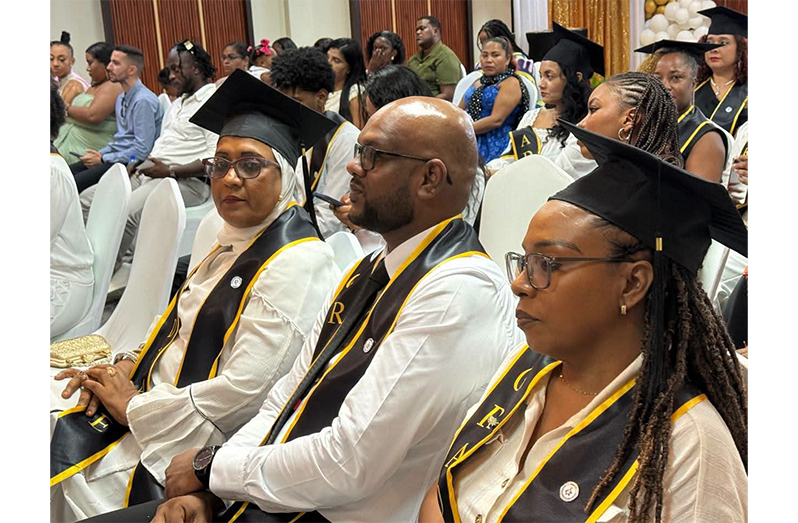
I received formal graphic design training through the Ministry of Human Services and Social Security’s Women’s Leadership Institute (WIIN) programme and the Board of Industrial Training’s App and Website Development programme, as well as entrepreneurship training through the Guyana Council for Persons with Disabilities (GCOPD). I am currently pursuing a bachelor’s degree in Business Administration through the GOAL Scholarship Programme, a step that makes me proud and keeps me focused on the future.
My participation in the GUYSOL Energy Apprenticeship Programme broadened my experience by combining my communications role as an apprentice with opportunities to learn about solar energy and the solar farm project across selected regions in Guyana.
Finding journalism
That path led me to the Guyana Media and Communications Academy, where I received training in journalism, public relations, television and radio broadcasting, and communications through a combination of theory and practical experience with various media houses. This training fortified my confidence in the field.
Entering the media and journalism industry has been exciting. I have had opportunities to attend assignments and events, conduct interviews, write stories and engage with people from different backgrounds, both locally and internationally. Each opportunity has made the work feel more real and has strengthened my belief that I made the right decision to choose media and communication as a career path.
The encouragement of colleagues, the sharing of story leads and the willingness of others to support my participation have also helped me grow professionally in an area where my disability can present challenges.
The rigours of the job
Journalism is a fast-paced environment that requires a lot of movement and access. Reporters may be expected to attend events, visit communities, conduct interviews and gather information in different environments. For reporters with disabilities, these expectations can create challenges that are not always visible to others, and explaining them can sometimes feel uncomfortable when all you want is the chance to do the work.
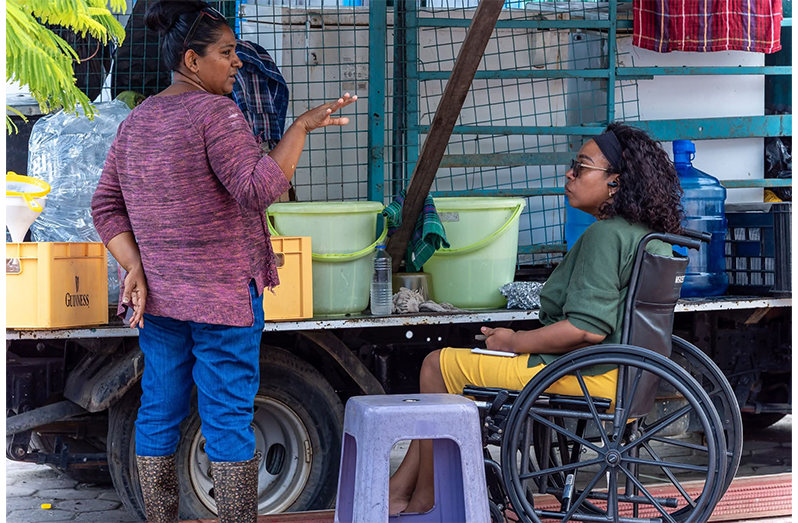
As a wheelchair user, I have encountered situations where physical accessibility affected my ability to participate fully in assignments and professional activities. Some venues have been difficult to navigate, with limited access to certain areas or no practical way to reach the location where an activity was taking place.
In those instances, I have had to adjust my approach, wait to conduct interviews afterwards, or follow up by telephone. These alternatives have helped me complete assignments, but they have not always given me the experience I initially planned.
Workplaces can present similar difficulties. Accessibility is not always considered when designing safe ramps, entrances, office spaces, doorways, identification systems, accessible toilets, and other arrangements that employees rely on throughout the working day.
These challenges can affect overall performance, including punctuality, independence, participation, and the ability to complete certain tasks or training requirements. I share these experiences not to assign blame, but to highlight the importance of accessibility and flexible working arrangements in professional planning.
A person may have the qualifications, knowledge and willingness to work, yet still encounter barriers that have little to do with their ability to perform the job. Inclusion requires more than welcoming someone into a workplace or inviting them to cover an assignment. It requires creating the conditions for them to participate and contribute effectively.
A new world
Despite these challenges, I believe journalism, communications and other employment sectors hold considerable potential for persons with disabilities, including opportunities in customer service, administration and creative roles.
Technology has transformed the way many media professionals work. Computers, smartphones, digital platforms and internet access create opportunities to work from different locations. For some roles, remote work may provide a practical alternative when physical access is difficult. For others, accessible offices, suitable equipment and reasonable workplace arrangements can make on-site participation possible.
The potential of persons with disabilities should be recognised through their skills, knowledge, creativity and experience, rather than judged solely by whether they can navigate every physical environment without assistance.
Training and qualifications are important, but professional development must be accompanied by opportunities to practise, gain experience and advance.
What I wish to see
I recognise that accessibility requires planning and resources. However, practical solutions can make a meaningful difference, allowing more persons with disabilities to participate in the industry and contribute their perspectives. Their presence enriches the stories being told by bringing different experiences and viewpoints to the conversation, including stories that might otherwise go unheard.
As an emerging journalist, I am encouraged by the possibilities ahead. I hope to continue learning, improving my craft and contributing to conversations that matter. I also hope that my experiences encourage others to recognise that disability does not diminish a person’s professional potential.
When I reflect on my journey, I recognise that my story is more than the assignments I cover or the words I write. My wheelchair is part of my journey, but it is not the entirety of my story.
I have learned that inclusion is not simply about making room for someone to enter. It is about creating the conditions for that person to participate, contribute and grow.




