






– says inquiry provides opportunity for truth, accountability and safer maritime transport
THE Region Three Private Sector Inc. (R3PSInc), led by Head Halim Khan, has welcomed the Government’s decision to establish an international Commission of Inquiry (CoI) into the MV Barima tragedy, describing the move as an important step towards establishing the facts, strengthening public confidence and advancing meaningful reforms within Guyana’s maritime transport sector.
In a statement, the business organisation said the establishment of the inquiry aligns with its earlier call for a comprehensive, transparent and evidence-based examination of the circumstances surrounding the disaster.
The R3PSInc said the inquiry provides an important opportunity not only to determine what occurred, but also to identify lessons, address weaknesses and strengthen the systems responsible for protecting passengers and other users of Guyana’s transport network.
The Government has said the five-member international Commission will conduct a thorough and impartial examination of the circumstances leading to the capsizing and sinking of the MV Barima, assess the response to the emergency and examine all related matters. The inquiry is also expected to identify shortcomings, determine whether accountability is warranted and recommend measures to improve the safety and reliability of maritime transportation.
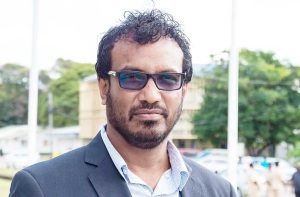
Khan said the R3PSInc’s support reflects its longstanding position that the tragedy must be examined through a credible process capable of providing answers to grieving families while helping to restore public confidence in the institutions responsible for maritime safety and regulation.
“The organisation remains deeply mindful that this inquiry follows a national tragedy marked by the tragic loss of life and its profound impact on families and communities,” the R3PSInc said, while extending continued sympathy to the victims, survivors and their families.
The R3PSInc expressed confidence in the composition of the Commission, noting that its members bring expertise spanning judicial affairs, marine engineering, maritime surveying and compliance, admiralty and maritime law, as well as maritime operations and security.
The organisation said the breadth of professional experience represented on the Commission places it in a strong position to examine the tragedy from legal, technical, operational and regulatory perspectives.
The inquiry, it added, must be allowed to follow the evidence wherever it leads and produce findings that are clear, credible and capable of strengthening trust among passengers, families, businesses and the wider public.
The MV Barima capsized while travelling from Georgetown to Port Kaituma on the night of July 18, triggering a major national and international search, rescue and recovery operation involving the Guyana Defence Force Coast Guard, government agencies, private vessels, regional partners and specialist teams. The disaster has been described as one of the worst maritime tragedies in Guyana’s history.
The R3PSInc said public confidence will depend not only on the independence and thoroughness of the inquiry but also on the transparency of its work and the Government’s commitment to acting on its recommendations.
According to the organisation, the Commission has a significant opportunity to establish the facts surrounding the disaster, identify institutional and operational lessons and reinforce public trust in the agencies responsible for safeguarding commuters.
The business body said it expects the Commission’s findings to support stronger public-safety measures, improve regulatory oversight and contribute to the continued development of a safer, more reliable and resilient transport sector.
For Khan and the R3PSInc, the inquiry must therefore be viewed as more than an investigation into a single incident. It should also serve as a national opportunity to strengthen maritime governance, improve emergency preparedness, enhance compliance systems and ensure that the lessons arising from the tragedy are translated into lasting reforms.
The organisation stressed that the effectiveness of the CoI will ultimately be measured by what follows its findings.
“Looking beyond the inquiry itself, the Commission’s lasting impact will depend on the implementation of its recommendations,” the R3PSInc said.
It added that the tragedy should serve as a catalyst for meaningful reforms aimed at improving public safety, strengthening regulatory systems and providing greater protection for the thousands of Guyanese who depend on river and maritime transportation.
The Government has also announced additional long-term support for survivors and families affected by the tragedy through the H.E.A.R.T. Initiative — Hope, Empathy, Aid, Resilience and Trust — which is intended to coordinate material, emotional and spiritual support beyond the immediate period of national mourning.
President Dr Irfaan Ali has said the support mechanism is intended to ensure that affected families continue to receive assistance throughout the longer process of grief and recovery, while a separate process is being developed to provide financial assistance as a gesture of national solidarity.
The R3PSInc said these measures, together with a credible and transparent Commission of Inquiry, demonstrate the importance of combining accountability with sustained care for those affected.
The organisation noted that its position follows an earlier statement issued on July 20, in which it extended condolences to the families of the victims and called for a comprehensive, transparent and evidence-based investigation.
Khan said the private sector remains committed to supporting initiatives that promote safer and more dependable transportation, recognising that reliable transport infrastructure is essential not only to public safety but also to economic development, regional connectivity and national progress.
The R3PSInc said it will continue to follow the work of the Commission and supports a process that honours the memory of those who died, provides meaningful answers to families, strengthens confidence in public institutions and results in practical reforms capable of preventing future tragedies.
Meanwhile, President Dr Irfaan Ali has continued to lead the national response to the MV Barima tragedy, remaining closely engaged with affected families and working with emergency teams, government agencies and other stakeholders to ensure that every available resource is deployed in the search, rescue and recovery operation.
After being informed of the tragedy, President Ali travelled to the Charity waterfront, where he stood alongside relatives awaiting news of their loved ones and offered support to families facing the painful process of identifying recovered victims.
His continued involvement, Khan explained has underscored the Government’s commitment to maintaining a coordinated national response while ensuring that affected families receive support throughout the search, recovery and longer-term healing process.
“I was along with them during the process at Charity, and the President was up early in the mornings and late into the nights, the Region Two teams along with government officials and Cabinet members also were there in support with all aspects of operations,” Khan added




