Greater support, training and exposure needed to unlock the potential of Guyana’s creative economy
GUYANESE creativity has continued to grow, progressing from a hobby to a business possibility and now making the shift towards an industry. The country’s creative sector, once viewed primarily as a space for artistic expression, is increasingly becoming recognised as an area with significant economic potential. While the development of the orange sector has been a goal of the nation’s leaders for some time, young entrepreneurs, designers, artists and innovators are now, more than ever, turning their talents into sustainable, successful ventures.
While challenges such as funding, visibility and access to resources remain, those working within the sector believe that with increased investment, stronger partnerships and greater recognition, Guyana’s creative industry can become a major contributor to the country’s economic development. Among the people at the core of this shift is Seishonen Guyana co-founder and Head of Marketing and Public Relations, Juliana Lopes, who, in an interview with the Pepperpot Magazine earlier this week, shared that over the past several years, she has witnessed a noticeable shift in the way Guyanese creatives approach entrepreneurship, with more individuals moving beyond simply showcasing their talents and beginning to build businesses around their skills.
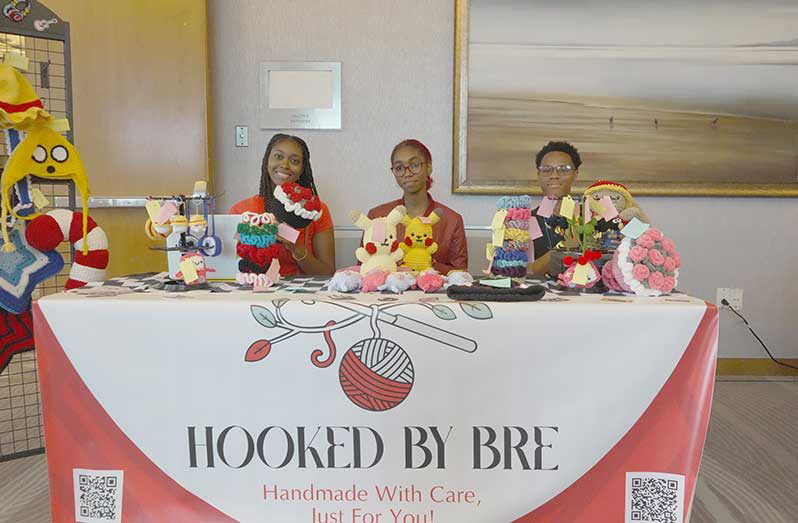
As one of the founders of one of Guyana’s largest event companies, known for creating events such as FumaCon, Lopes has worked alongside countless creative businesses over the years. Lopes explained that since the introduction of FumaCon in 2022, there has been a noticeable increase in creative entrepreneurs entering the space, particularly those involved in merchandise, design, costume creation and other forms of artistic expression. “From starting the event in 2022 all the way to now, I have seen a surge of creative businesses that not only focus on retail and products from the different anime and merch, but also we have been seeing people be more creative in costume making,” she shared.
According to Lopes, one example of this growth is the development of costume creation as a creative field. As she explained, the addition of costume creation highlights how individuals, especially young entrepreneurs, are using their skills to compete both locally and internationally. She pointed to Guyanese cosplayer Roberto Teeka, who first became involved as a vendor before entering costume competitions, eventually winning recognition for his work and representing Guyana at the Caribbean Cosplay Championship. “When we started the event, the first FumaCon, he came on board as a vendor. And then the second year was the first time that he had actually cosplayed in a competition because he had never done that before,” Lopes said. “He won first place and was also awarded the recognition of representing Guyana at the Caribbean Cosplay Championship, where he won second place. He did a film about it,” she added.
Beyond financial support, Lopes identified visibility and marketing as another major challenge affecting creatives. While talent is the foundation of any creative venture, she highlighted that entrepreneurs must now place more emphasis on understanding how to position themselves, promote their work and build recognition among consumers. “Talent could take you far, obviously, but marketability is also important,” she noted. Lopes added that Guyana is home to countless creatives who can design, create, and innovate, but many struggle to ensure their work reaches the right audiences. As she shared, “I think it is important to recognise that a lot of creatives have this talent, this eye for designing or creating whatever they prefer to do, but also they need to be able to balance that talent with how they market themselves,” she explained.
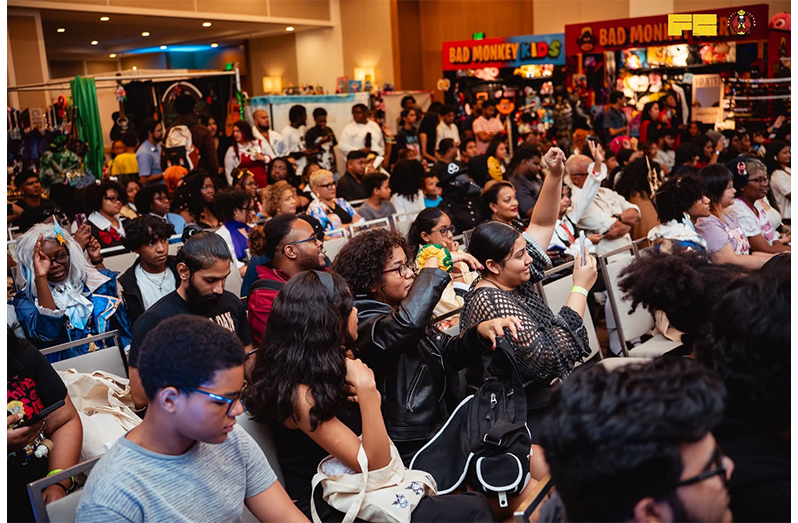
Overcoming these hurdles is the key to sustainably developing the creative business sector and orange economy. But Lopes also noted that the Guyanese audience has a role to play. According to her, building the creative sector will require exposing Guyanese audiences to different forms of creativity while maintaining a strong connection to local identity. She noted that collaborations with international partners, including embassies, have helped introduce new experiences while encouraging Guyanese creatives to explore how global ideas can be adapted locally. Speaking about cultural workshops facilitated by Seishonen in collaboration with an international partner, she stated, “The concept of making a piñata, which is about doing an activity that has a shared experience, is something that everyone can relate to,” she said. “I think that is where we really have to consider how we market our creativity, not only as a creative, but most importantly, as a Guyanese,” she added.
As the sector continues to develop, Lopes sees increased corporate involvement as critical to creating more opportunities for young people and supporting creative entrepreneurship. Over the years, Lopes has noted that the growing interest from private-sector organisations showcases a recognition that creativity, innovation and youth development are important components of Guyana’s future economy. “With this edition of FumaCon, it was the first time that we had a title sponsor, which is something that has never happened at our event before,” Lopes shared. She explained that corporate partnerships have allowed organisers to expand initiatives, including educational programmes that introduce young people to skills in areas such as public speaking, technology, entrepreneurship, design and cybersecurity.
Looking ahead, Lopes believes Guyana’s creative sector has significant, undeniable potential for growth. But for Guyana to reach this potential, further development is needed through continuing education, stronger frameworks and greater investment in local talent. Speaking about the future of the sector, Lopes stated, “I think that in five years, we can see Guyana’s creative sector continue growing if there is the willingness of our people to invest in what we have now, but also to see what they can do in the future,” she said. “People will bloom if they have the right environment for them to do it,” she added. As Guyana continues to diversify its economy, the creative sector represents a growing opportunity, one where imagination, culture and entrepreneurship intersect to create new pathways, opportunities and horizons for Guyana’s creatives.
nna Exeter, founder of Hooked by Bri (centre), showcases her handmade crochet items at FumaCon 2026 as one of a growing number of local vendors turning creative skills into businesses