






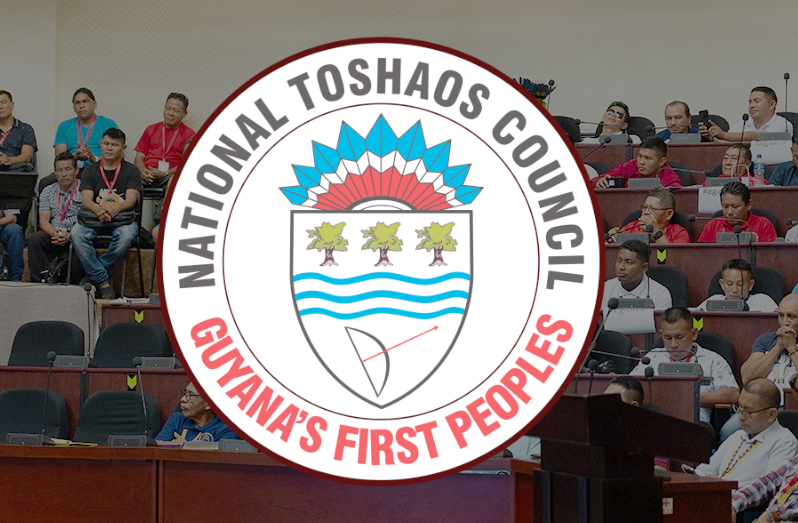
THE National Toshaos Council (NTC) Conference opens today at the Arthur Chung Conference Centre, bringing together Indigenous leaders from across Guyana for five days of discussions on governance, sustainable development and the future of Amerindian communities.
Held under the theme, “Empowering Leadership while Building Sustainable Village Economies through Inclusive Partnership”, the conference runs from July 20 to 24, and will see Toshaos engaging directly with President Dr. Irfaan Ali, government ministers, and State agencies on issues affecting Indigenous villages.
The annual conference serves as the highest decision-making forum for Guyana’s Indigenous leaders, and provides an opportunity to review government programmes, raise concerns, and shape policies aimed at improving the lives of Amerindian communities.
This year’s conference comes against the backdrop of increased government investment in Indigenous and hinterland development.
Through Budget 2026, the government allocated G$7.5 billion to support Amerindian and hinterland communities, with additional funding being channelled through the Amerindian Development Fund.
The investments target critical areas, including infrastructure, healthcare, education, land titling and economic development, while supporting more than 800 community-led projects financed through Guyana’s carbon credit revenues under the Low-Carbon Development Strategy (LCDS).
In recent weeks, 11 Amerindian villages received capital grants from the Ministry of Amerindian Affairs to implement projects aimed at improving livelihoods, strengthening community infrastructure, and promoting sustainable development.
The beneficiary villages are Quarrie, Wowetta, Aishalton, Yurong Paru, Katoonarib, Tiger Pond, Sand Creek, Surama, Yakarinta, Kanashen and Annai.
Government has also expanded access to renewable energy in hinterland communities, with more than 37,000 solar home systems installed in remote and off-grid areas. Among the flagship projects is the G$300 million Batavia Village solar grid in Region Seven, which now provides residents with 24-hour electricity.
Economic empowerment has also been a major focus, with more than G$14.5 billion being transferred directly to Amerindian villages to finance community-led ventures, including eco-tourism, agro-processing and other sustainable enterprises.
Indigenous entrepreneurs can also access interest-free loans of up to G$3 million to establish or expand their businesses, while villages continue to receive all-terrain vehicles, transportation units and other equipment to strengthen economic and administrative activities.
On land rights, the administration has demarcated 15 villages and issued 17 certificates of title since taking office, securing land ownership for more than 16,000 Amerindians. An additional G$400 million has been allocated this year to continue the Amerindian Land Titling Programme.
Healthcare services have also been strengthened through the expansion of telemedicine and the construction of new regional hospitals in Regions One, Seven, Eight and Nine, bringing specialised medical care closer to hinterland residents.
Over the next five days, Indigenous leaders are expected to discuss these and other priority issues while engaging government officials on policies and initiatives aimed at advancing sustainable development and improving the well-being of Indigenous communities across Guyana.




