— EPA to submit compliance report
THE Environmental Protection Agency (EPA) has confirmed that the long-standing dust complaints involving Vilvoorden Investment Inc. on the Essequibo Coast is before the court, even as frustrated residents of Fairfield and Vilvoorden continue to accuse the agency of abandoning their community.
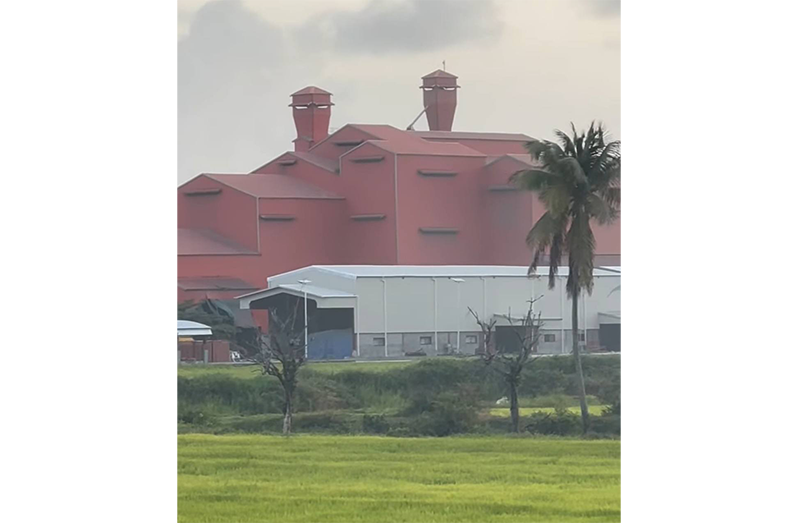
The matter, which centres on persistent dust pollution linked to operations at the Golden Fleece Rice Mill, is set to return to court on June 4, 2026, when the EPA is expected to present a formal compliance report as directed by the Magistrate.
According to the EPA, the court has mandated an assessment of whether the company has adhered to required mitigation measures.
“The court has requested a formal assessment of Vilvoorden’s compliance with required mitigation measures; the EPA will prepare and present a compliance report at the next court hearing,” the Agency said in a statement.
Vilvoorden Investment Inc. has been asked to submit documentation outlining mitigation steps already taken and any proposed alternatives. The EPA said it will review those submissions and determine whether they meet regulatory standards before conducting a compliance inspection.
However, the Agency’s update comes against the backdrop of mounting criticism from residents, who argue that enforcement has been inconsistent and largely ineffective.
There has growing frustration among villagers, who claimed that despite years of complaints, protests and reported court action, the rice mill continues to blanket the community in hazardous dust.
Residents alleged that mitigation efforts implemented by the mill were superficial.
“The fire truck was only doing the front part of it. It was just a show. It wasn’t anything effective,” said Abdool Saib Shameer, a spokesperson for affected residents had told the Guyana Standard news.
Shameer further claimed that the EPA has not been visible in the community for months and that residents remain unaware of the status of legal proceedings.
“We don’t know what’s happening. The last we heard, the EPA withdrew the case without any explanation to us. Why are the ones filing the case withdrawing it?” he told the publication.
In a public statement shared on social media, Shameer rejected suggestions that residents had encroached on an industrial zone.
“The villagers were here long before the rice mill,” he asserted, accusing the company of attempting to deflect responsibility for ongoing pollution.
Residents have also raised serious health concerns, reporting daily accumulation of dust in their homes and an increase in respiratory issues, particularly among children and the elderly.
The situation has, at times, escalated into confrontation, with at least two residents previously detained following protests against the mill’s operations.
The villagers had said that while seasonal rainfall provided temporary relief late last year, the problem persists beneath the surface. Shameer noted that while the outer layers of paddy husk may appear damp, the core of the heaps continues to burn and smoulder.
Against this backdrop, the EPA maintains that it is actively engaged in the matter and is proceeding in accordance with the law.
“The EPA remains committed to protecting community health, enforcing environmental standards, and pursuing all necessary administrative and legal remedies,” the Agency stated.
It also noted that its officers have visited the site multiple times and attempted to engage residents, though those efforts were only partially successful.
The Agency is now urging affected residents to co-operate with its officers as it prepares its compliance assessment and subsequent inspection ahead of the next court hearing.
Further developments are expected following the submission of the EPA’s report, the outcome of the compliance inspection and continued court proceedings.