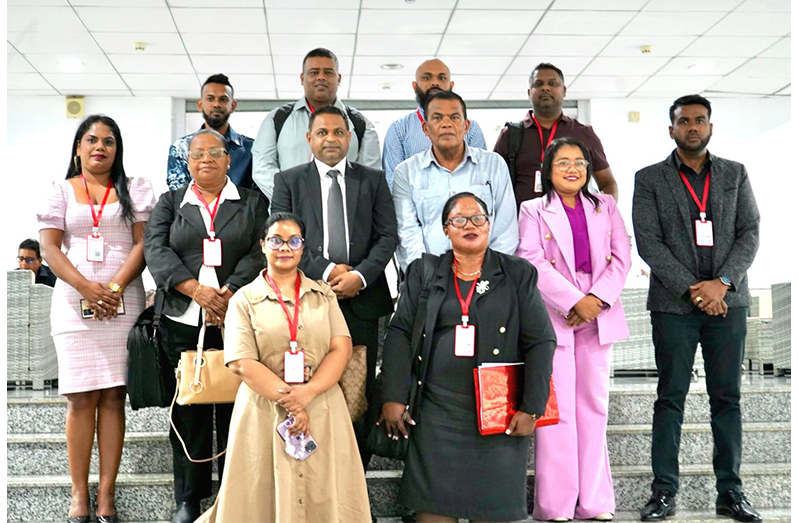
- allocation will accelerate development, strengthening livelihoods
REGION TWO is entering a new phase of accelerated growth following the approval of $11.3 billion which was allocation in Budget 2026.
This figure marks a significant increase from last year’s allocation of $9.6 billion, reflecting sustained confidence in the region’s development agenda and an expanded commitment to improving the lives of the residents.
In 2025, Region Two benefited from a $9.6 billion allocation which laid a strong foundation for progress, supporting major interventions in infrastructure, drainage and irrigation, healthcare services, education, agriculture, and community development. Roads were rehabilitated, drainage systems strengthened, and essential public services enhanced to better serve communities across the region.
The newly approved $11.3 billion sum represents a $1.7 billion increase over last year’s figure. This upward movement is not merely numerical; it signals momentum. It demonstrates that Region Two is not only maintaining steady progress but is now positioned to expand and deepen development initiatives. With additional resources, the region can further upgrade transportation networks, enhance flood control mechanisms, modernise health and educational facilities, and provide stronger support to the agricultural sector, which remains a backbone of the regional economy.
This expanded allocation also reinforces a people-centred approach to governance. Investments are expected to translate into improved access to services, stronger infrastructure resilience, greater economic opportunities, and overall enhanced quality of life for residents from coastal villages to riverine communities.
The comparison between last year’s $9.6 billion and this year’s $11.3 billion tells a clear story of growth, planning, and strategic advancement. Region Two continues on a strong path forward, building on past achievements while accelerating development to ensure broader and more meaningful impact.
With increased funding comes increased opportunity. More progress, more development, and improved livelihoods for the people of Pomeroon-Supenaam.
For the health sector, several key development projects will be executed to strengthen healthcare delivery and improve access to medical services across the Pomeroon-Supenaam region.
The projects include the construction of living quarters at the Kabakaburi Health Centre, which will provide improved accommodation for medical personnel serving hinterland and riverain communities. This is expected to enhance staff retention and ensure more consistent healthcare coverage in the area.
An extension of the Dredge Creek Health Post is also planned, allowing for expanded services and better patient accommodation to meet the growing demands of the community.
Additionally, a sanitary facility at the St. Monica Health Post will be constructed as part of efforts to improve hygiene standards and overall patient comfort at the facility.
To strengthen emergency response capabilities, the budget provides for five off-road ambulances to serve key health institutions. Two will be allocated to Lima Regional Hospital, two to Oscar Joseph District Hospital, and one to Suddie Public Hospital. These off-road units are particularly important for navigating difficult terrain, especially in rural and flood-prone areas.
Further enhancing emergency medical services, two paramedic ambulances have also been included in the budget to improve rapid response and pre-hospital care throughout the region.
Collectively, these investments aim to improve infrastructure, enhance emergency services, and ensure better healthcare access for residents across Region Two.
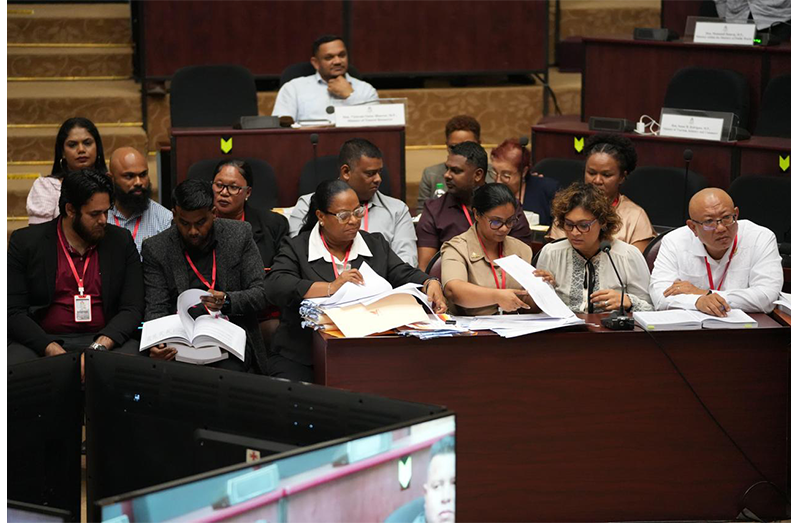
The consideration of the estimates for Region Two lasted several hours. Key members of the regional administration joined Minister of Local Government and Regional Development Priya Manickchand as she answered questions from the opposition and defended the budgetary allocations and the projects it will cover.