MINISTER within the Ministry of Culture, Youth and Sport, Steven Jacobs, has noted that the government plans to significantly expand recreational and sporting infrastructure across the country this year as part of the wider development agenda.
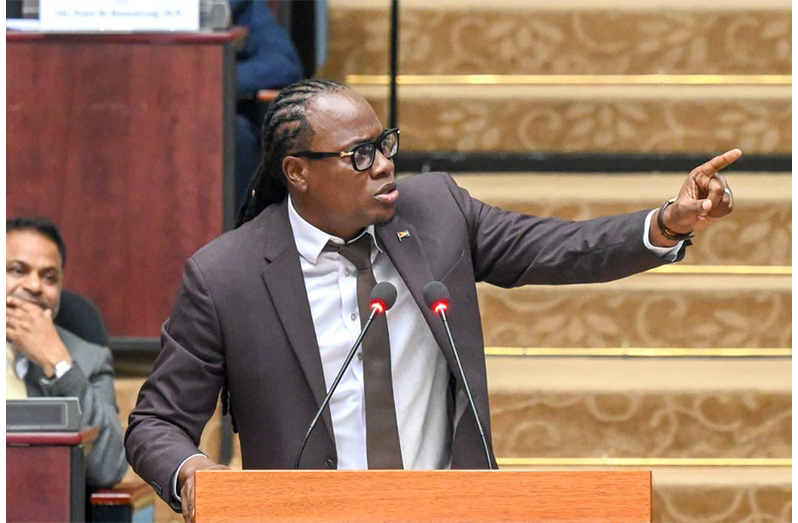
He made this known while making his contribution to the National Budget Debate, where he said that the government is investing in facilities that will broaden access to culture, sport and community spaces, while positioning Guyana to host regional and international events.
He described the initiatives as long-term investments designed to serve communities, creatives, and athletes alike.
According to the minister, several new multi-purpose halls are scheduled to open this year, providing spaces for cultural activities, sporting events, and community gatherings.
These facilities, he said, are intended to decentralise access to recreational and cultural infrastructure and ensure opportunities are not limited to Georgetown.
It was then that the minister disclosed plans to advance major cultural projects, including the development of a national museum and art gallery, which he said would replace what he described as neglected legacy infrastructure.
The new facilities, he noted, will provide platforms for cultural expression, exhibitions, and artistic development, while also strengthening Guyana’s cultural identity.
In addition to cultural spaces, Minister Jacobs highlighted investments in specialised sporting infrastructure, which he said is aimed at elevating Guyana’s profile in regional sport.
He further spoke of upgrades to indoor sporting venues, including air-conditioning and seating improvements, which have already allowed Guyana to successfully host regional competitions such as the Caribbean Area Squash Association (CASA) tournament and international basketball events.
Against this backdrop, the minister said the expansion of modern facilities is critical to attracting major tournaments and strengthening sports tourism, noting that Guyana has hosted more than 130 regional and international sporting events in recent years, and with additional facilities coming on stream, the country is poised to surpass those figures in 2026.
“These are not glossy promises or rhetoric,” Jacobs told the House, arguing that infrastructural development is being guided by planning and sustainability rather than short-term gains.
The minister emphasised that culture and sport are being treated as economic and social drivers, supporting tourism, creative industries and youth engagement. He said improved infrastructure creates opportunities for athletes, artistes and cultural practitioners, while fostering community development and national pride.