






– urges end to traffic harassment
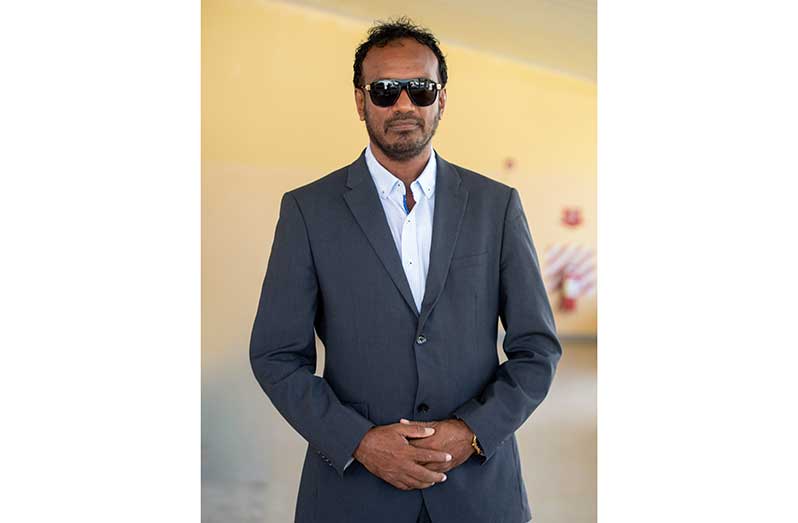
HEAD of Region Three Private Sector Inc. (R3PSInc), Halim Khan, has praised the security sector for maintaining a low-crime environment during the recent Christmas and New Year holidays, while calling on authorities to address ongoing issues of traffic police harassment on key roadways.
Speaking on developments in Region Three, Khan highlighted that the low crime rate reflected stronger collaboration between law enforcement agencies and communities, as well as improved morale among police officers.
“The level of crime during the holidays was noticeably low, and that is something the security forces deserve credit for,” Khan said. “We also saw stronger co-operation from communities, which plays a critical role in crime prevention.”
Khan attributed the enhanced performance of the police to recent promotions, incentives, and leadership improvements.
He specifically acknowledged the initiative by Commander-in-Chief, President Dr. Irfan Ali, who promoted numerous ranks within the force, including officers who had served as constables for more than 15 years.
“President Ali’s promotion of ranks must be recognised and recorded in history,” Khan said. “Since the creation of the Guyana Police Force, it is unprecedented to see so many young officers rising from one stripe to inspector. This has injected energy and professionalism across the force, and the impact is clear in their performance.”
While commending the broader security effort, Khan raised concerns over the conduct of some traffic officers along major corridors linking Region Three to Georgetown, including areas near the Bharrat Jagdeo Demerara River Bridge. Motorists have reported repeated stops, poorly positioned roadblocks, and unnecessary delays, especially during peak hours, which contribute to congestion and commuter frustration.
“Traffic enforcement should be about assistance and safety, not harassment,” he said. “Stopping vehicles without clear cause, particularly in poorly lit or congested areas, only worsens traffic flow and creates unnecessary tension.”
Khan noted that drivers coming from the second roundabout near the Bharrat Jagdeo Demerara River Bridge into Region Three, as well as those using internal alternative routes, often encounter repeated stops that disrupt travel and commerce.
He emphasised that while roadblocks and traffic checks remain essential for crime prevention, they should be intelligence-led, clearly marked, well-lit, and strategically placed to ensure transparency and public confidence.
“There is nothing wrong with enforcement, but it must be professional, visible, and fair,” Khan said. “Traffic officers should be managing flow during peak hours, not contributing to gridlock.”
He also pointed to the potential impact on tourism and investment, particularly for visitors and returning Guyanese who may be unfamiliar with local roads.
“If we want to promote tourism and investment, we must ensure that visitors feel safe and welcomed—not confused or intimidated on the roads,” he said.
Looking ahead to 2026, Khan said the private sector would continue engaging authorities on public safety and traffic management issues, while supporting initiatives that strengthen professionalism within the security sector.
“We commend the police for the progress made, but there is room for improvement,” he said. “With continued collaboration, we can maintain low crime while ensuring road users are treated with respect.”
Khan concluded that balanced enforcement, community partnership, and accountability remain crucial to sustaining public trust and supporting economic activity across Region Three and the wider country.



