
THERE are certain “buzzwords” that are often used in developmental spaces to appease a particular audience. Unfortunately, I believe certain words can become overused, and we lose their true meanings or concepts along the way. This is a common trend I am now noticing with the words “women”, “girls” and “gender”. In many of the developmental work currently underway in Guyana and around the world, you might hear these words. Is the use of these words genuine? Or are they merely “plug-ins” people add to grasp our attention? You might be wondering why I even care, or why this is important. Permit me to expand further through this week’s column.
In some academic readings I recently completed, I came across the concept of “add women and stir”. This phenomenon of simply adding women to the mix, without authenticity, analysis, or structural measures to ensure their rights are respected, is addressed perfectly by this concept.
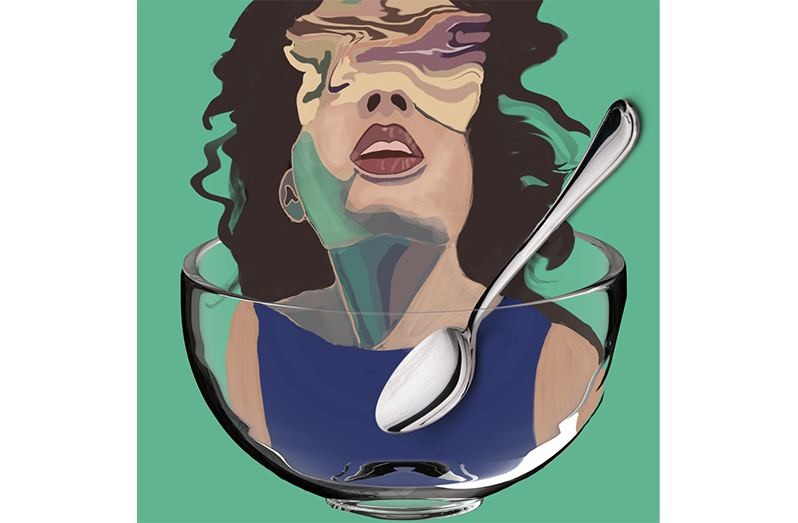
It is a phrase often used in developmental studies, specifically in women and development. It is mainly used as a feminist critique in gender mainstreaming. Women and girls come from many different backgrounds, cultures, and sexual identities, and all have different values. The first mistake I often see people make in project implementations for women and girls is a “one size fits all” approach. I often see people disregard the work of intersectional feminist theories when planning events, services, or projects for women. The challenges I face as a mixed-Guyanese woman from Berbice will not be the same set of challenges an Indigenous woman faces in Kato, Region 8. Yet again, we “add” women into one large bowl and “stir”.
I also observe women often being asked to sit in leadership roles for the purpose of being a “diversity hire”. Yes, women are invited to leadership tables, but have we truly expanded the structural systems that prevent women from breaking the glass ceiling? Again, we “add” women into the bowl and “stir”.
Sometimes grand conferences and celebrations are held to honour women’s accomplishments or to commemorate International Women’s Day. After those events are completed, do the organisers continue to support these women and their challenges sustainably? Or are these events merely ceremonial? Again, we “add” women into a bowl and “stir”.
Lastly, and I believe most importantly, I am aware that many developmental projects now require women and girls to be the main target population or group. It is a requirement for many organisations and bodies to receive funds from international or regional donors. As such, I am curious to know how many projects targeted to women and girls were only drafted or implemented simply for funding opportunities – and not because women and girls truly need the assistance the project provides. Yet again, we continue to “add” women and “stir”.
Many people often try to equate this “adding” of women to the context of developmental work with equality. It is truly an injustice and quite absurd to believe that. The misuse, overuse, inauthenticity and unjust use of the words “women”, “girls” and “gender” are dangerous because they can desensitise people from Gender or Women and Development altogether. It can also overshadow the genuine, hard work other people continue to do in these spaces for women while allowing us to feel a false sense of “empowerment” or “equality”.
I hope, as you read this column, you understand the implications at stake when people – especially those in positions of power – add women or gender to conversations about equality, development, and the future. Instead of adding women and stirring, the developmental space should be able to address the systemic and structural barriers that affect women. We should not “stir” women. Instead, we should listen to women, respect them, help them, and resource them.