Bio-Pesticides
The rise in global temperatures has resulted in the proliferation of weeds and pests (insects and diseases) affecting crops, and the consequent exacerbated use of agrochemicals including pesticides. Pesticide use in part contributes to the 30 percent of global emissions leading to climate change are attributable to agricultural activities. To reduce the contribution of pesticides to GHG emissions, NAREI has pursued a safer, more natural remedy to pest and disease interventions – bio-pesticides. To this end, naturally occurring substances (biochemical pesticides), microorganisms (microbial pesticides), and pesticidal substances produced by plants containing added genetic material (plant-incorporated protectants), that control pests are researched to produce formulations for use in cropping systems. It is worthwhile to mentioned some successes achieved by NAREI to substitute biopesticides and biological solutions for agrochemicals in cropping systems.
 Cabbage: The use of neem, Beauveria sp. and Bacillus sp. in the management of diamondback moth in cabbage – within the Parika Backdam area there were two trials carried out to test the efficacy of biopesticides in the management of diamondback moth in cabbage. Neem oil 2 percent, Pest out 2 percent, Beauveria bassiana 30ml, Bacillus thuringienesis (bt) and Match where compared and it was seen that the biopesticides worked as well as the agrochemical in the management of the moth. Additionally, the shelf life of the produce was longer in those treated with the biopesticides when compared to those treated with the agrochemical. Coconut Palm Mite: The use of commercial organic pesticides in the management of red palm mites on coconut palms – these trials were carried out under laboratory conditions and showed that the commercial biopesticides were quite effective against the aforementioned insect.
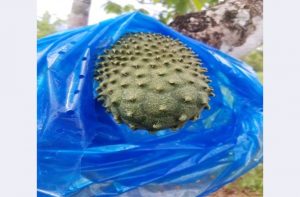
Overall, after the 48 hours’ interval, Neem oil showed an 84 percent mortality, Bug Stomper showed 81 percent mortality and Asphix showed a 73 percent mortality of red palm mites. These trials are still to be taken into the field but these results are very promising for the further of red palm mite control in Guyana. Tomato: The use of botanicals to manage whiteflies on tomatoes – this was carried out over a two-year period where hand-made botanicals were used to manage the aforementioned pest. It was noted that those plants treated with ginger extract worked best at controlling the whiteflies. It works very well in kitchen garden settings however, trials on a larger scale are yet to be done. Soursop: The use of exclusion bags to reduced pest damage on soursop – this research was conducted at NAREI’s research station at Kairuni. The aim was to test the effectiveness of exclusion bags in reducing pest damage to soursop fruits; results showed that those fruits covered using these bags had no damage with the uncovered fruits had suffered damage during growth. These bags can also be used on other fruits as well. This programme intends to establish integrated pest management systems where biopesticides are introduced at the earliest stages of infestation or infection and agrochemicals only used where infestation or infection becomes unmanageable.