-initiatives aim to promote sustainable urban development, boost tourism
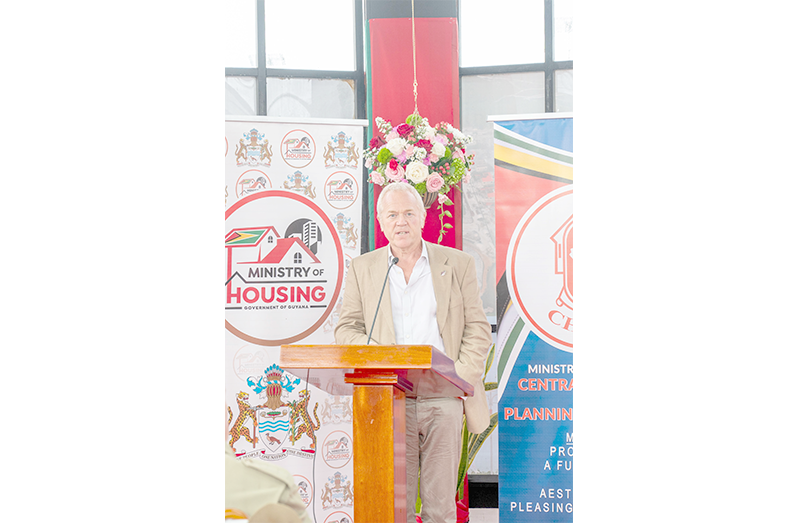
THE King’s Foundation is working with the Government of Guyana and local stakeholders on five projects aimed at promoting sustainable urban development, improving Georgetown’s trading spaces, strengthening tourism and creating a new urban centre to accommodate future growth, Executive Director of the Projects Team Ben Bolgar has said.
In a video highlighting the Foundation’s work ahead of His Majesty The King’s official visit to Guyana, Bolgar outlined the initiatives, which range from redesigning streets and improving the Stabroek Market area to redeveloping historic buildings and establishing a new sustainable city.
He said the projects were shaped through discussions with President, Dr Mohamed Irfaan Ali, government officials and other local stakeholders to understand their vision for Guyana’s future.
“From sustainable cities to healthy canals and streets, we have been working with the Government of Guyana and local communities to help promote sustainable urbanisation in Georgetown and across the country,” Bolgar said.
Among the impactful initiatives helping shape Guyana’s urban development is the Healthy Streets Initiative. Rolled out earlier this year and already taking shape in the Thomas Street Avenue, the project focuses on improving the street network in Georgetown by integrating the city’s existing canal system into a wider plan for more accessible and environmentally-friendly urban spaces.
In a brief video posted on Saturday, Bolgar explained that the canals were originally developed to support agriculture, but the project seeks to incorporate them into a redesigned street network that encourages walking and cycling.
The initiative is intended to create streets that are more attractive and accessible to pedestrians and cyclists while making better use of the infrastructure already present in the city. “The first thing we are doing is called Healthy Streets, and that is taking the whole street network with the canal system that they originally had for agriculture, so we are creating beautiful, walkable and cyclable streets that people can go down,” he said.
Guyana’s central and iconic market is also an aspect of the Foundation’s work, with plans for the redevelopment of Stabroek Market, one of Georgetown’s principal commercial areas.
Bolgar said the Foundation was looking at ways to reduce congestion around the market, while improving trading arrangements and creating more active stalls. The plans also involve extending the market environment along Water Street, which historically accommodated market activities, to provide additional and better-organised trading spaces. The proposed changes are intended to improve the area’s commercial function while creating a more accessible environment for vendors and shoppers.
“The second thing we are working on is Stabroek Market, which is really the main square for Georgetown, and we are looking at decongesting the market and creating better trading and active stalls, so we are stretching the market out all the way down Water Street, where it originally had a market, creating really nice stalls,” Bolgar said.
The Foundation is also working to ensure the sustainability of the tourism sector, one of Guyana’s fastest growing sectors. The initiative called the Guyana Exchange, aims to establish a central hub for tourism through the redevelopment of the Transport and Harbours buildings. Bolgar described the site as an important historic location that could be transformed into a centre where visitors and others could gather.
The project is expected to bring renewed use to the buildings while making their historical significance part of a wider effort to strengthen Guyana’s tourism offering. “The third project is really to create the hub for tourism in Guyana, and we are calling that the Guyana Exchange, and that involves the redevelopment of the transport and the harbour buildings. It’s a really important historic site and will make an excellent centre for where people can come,” he said.
Moreover, the designing of a centre for the Global Biodiversity Alliance is among the major steps being taken by the Foundation. According to Bolgar, the proposed facility, located near the Botanical Gardens, would showcase sustainable building methods, including the use of Guyanese timber and cooling systems designed to reduce the building’s environmental impact. The initiative is intended to demonstrate how locally available materials and sustainable design techniques can be incorporated into modern construction while supporting greater awareness of biodiversity and environmental conservation. “The fourth project is that creating and designing the centre for the Global Biodiversity Alliance, which is going to be right on the edge of the Botanical Gardens, and this is a new sustainable building showcasing the use of Guyanese timber and sustainable methods of cooling the building,” Bolgar said.
Furthermore, the Foundation noted its biggest undertaking as the proposed development of a new urban centre that would serve as a sister city to Georgetown. Bolgar described it as the foundation’s most ambitious project, with plans for approximately 30,000 homes alongside offices, schools, and other facilities.
He explained that the development is intended to address the movement of people between suburban communities and Georgetown by creating another centre connected through high-speed transport. The concept would provide housing and services in a more integrated setting, potentially reducing the need for residents to travel into and out of Georgetown for work and other activities.
“The fifth project is by far the most ambitious, and that’s to create a sister city to Georgetown, around 30,000 homes, but it will also be mixed with offices, schools,” he said adding, “At the moment, everyone from the suburbs is going in and out of Georgetown, and we need to create another centre that’s linked together with high-speed transport.”
He said the projects had been developed through engagement with the president, the government, and other stakeholders. While the project will aim to provide support for Guyana’s urban development and sustainability efforts, Bolgar noted that the foundation is working to ensure that the plans reflect local priorities and the country’s unique development vision.
The Foundation is now highlighting the initiatives as it prepares to advance the work in partnership with Guyana. “We have shaped these projects through conversations with the president, government, and other local stakeholders to understand their vision for the future,” Bolgar said.