






—seeks millions in damages, removal of slanderous social-media posts and apologies
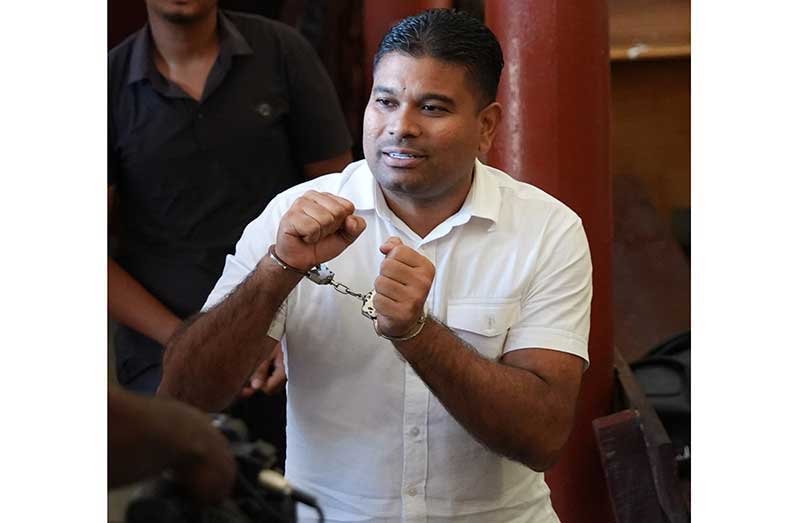
ARIMU Investments Inc., owner of the Aiden by Best Western hotel in Georgetown, has filed separate defamation lawsuits against Opposition Leader Azruddin Mohamed and his sister, Hana Khamelia Mohamed.
The company is challenging Facebook statements alleging that police resources were being used to provide round-the-clock security at the Robb Street property.
In claims filed in the High Court on October 19, the company is seeking more than $100 million in damages from Azruddin and more than $50 million from Hana.
Both claims also seek aggravated damages exceeding $50 million, alongside orders for the removal of the disputed publications, apologies, and permanent injunctions against further defamatory statements.
Arimu Investments, represented by attorneys Sase Gunraj and Jayaram Sanasie of Gunraj & Co., contended that the publications have damaged, or threaten to damage, its commercial reputation and goodwill, potentially affecting its relationships with customers, business associates, and prospective clients.
In the claim against Azruddin, the company alleged that the statements suggested that the hotel’s beneficial ownership was concealed and that it was improperly benefiting from preferential treatment through the deployment of police officers and vehicles.
The company contended that the allegations could cause customers, commercial partners, and government agencies to question the propriety of its operations and its relationship with the government.
The claim stated that Arimu Investments’ reputation and goodwill are “valuable commercial assets” that are “fundamental to its ability to attract and retain customers, maintain relationships with business associates, generate revenue and conduct its business successfully.”
It further alleged that the statements were capable of causing serious injury to the company’s reputation by casting doubt on the transparency of the hotel’s ownership and the integrity of its business operations.
The company argued that the allegations concerning the hotel’s ownership and alleged use of police resources could undermine confidence among existing and prospective customers, as well as commercial partners.
“The defamatory allegations directly concern the claimant’s beneficial ownership, the legitimacy and transparency of its ownership arrangements, the integrity of its shareholders, and the circumstances surrounding the presence of police personnel and police vehicles at the hotel operated under the name ‘Aiden by Best Western’,” the claim stated.
Arimu Investments further contended that the suggestion that its shareholders were merely nominal owners, while the true beneficial ownership remained concealed, could cause members of the public and the commercial community to question the legitimacy of its business affairs.
It also argued that the allegations of continuous police protection could create the impression that the company was improperly benefiting from state resources, potentially affecting its standing with government agencies, customers, and business associates.
The claim stated that the allegations were “capable of adversely affecting the claimant’s ability to maintain its existing commercial relationships, customer confidence, business opportunities and goodwill, and of undermining the confidence of persons who might otherwise engage in business with the claimant.”
The statements challenged in the first lawsuit were allegedly made by Azruddin outside the Georgetown Magistrates’ Courts on October 16 and subsequently circulated on Facebook pages operated under the names “Prime News Guyana” and “Travis Chase,” as well as the TikTok account “Westside Daily & Global Update.”
Another video was published on October 18 on his Facebook page, “Hon Azruddin Mohamed, Leader of the Opposition.”
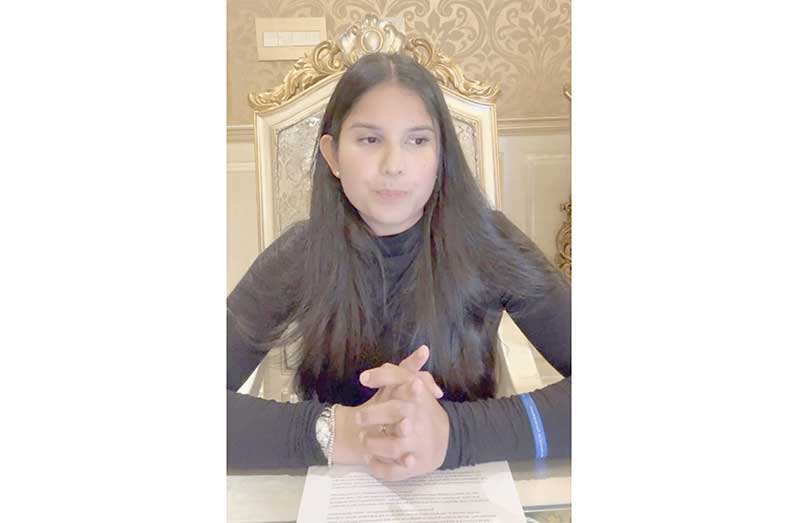
In the separate claim against Hana, Arimu Investments alleged that a Facebook post published on October 16 on her page, “Hana Khamelia,” which has more than 81,000 followers, similarly portrayed the hotel as benefiting improperly from state resources.
The post included photographs of the hotel and people associated with its opening, alongside allegations about its beneficial ownership and the presence of police personnel.
The company maintained that the publication was capable of causing customers, commercial partners and government agencies to question whether the hotel had improperly obtained preferential treatment.
The claim stated that the publication was capable of “adversely affecting the claimant’s commercial relationships, customer confidence, business opportunities and goodwill, and of undermining the confidence of persons who might otherwise engage in business with the claimant.”
It further alleged that the suggestion of concealed ownership and improper use of police resources could damage the hotel’s commercial standing and cause prospective customers and business associates to question the integrity of its operations.
Arimu Investments denied that the hotel benefited from police protection in the manner alleged by the defendants. It maintained that the hotel’s ownership is a matter of public record and identified Clinton Alphonso, Lorenzo Alphonso, and Geraldo Alphonso as its shareholders.
The company contended that police personnel and vehicles may occasionally be deployed as part of security arrangements when international dignitaries, foreign officials and other persons requiring protection visit Guyana and stay at designated hotels.
In both lawsuits, Arimu Investments alleged that the statements were published maliciously or with reckless indifference to their truth or falsity.
The company is asking the court to declare the disputed statements false and defamatory, order the removal of the publications and related material, and require the defendants to issue apologies and retractions in terms approved by the court.
It is also seeking permanent injunctions restraining the defendants from publishing or republishing defamatory statements concerning the company.
The defendants have 28 days from the date the statement of claim is served to file and serve a formal defence in accordance with the Civil Procedure Rules 2016.
The court documents warned that failure to respond within the stipulated period could result in judgment being entered against them in their absence and without further notice.




