






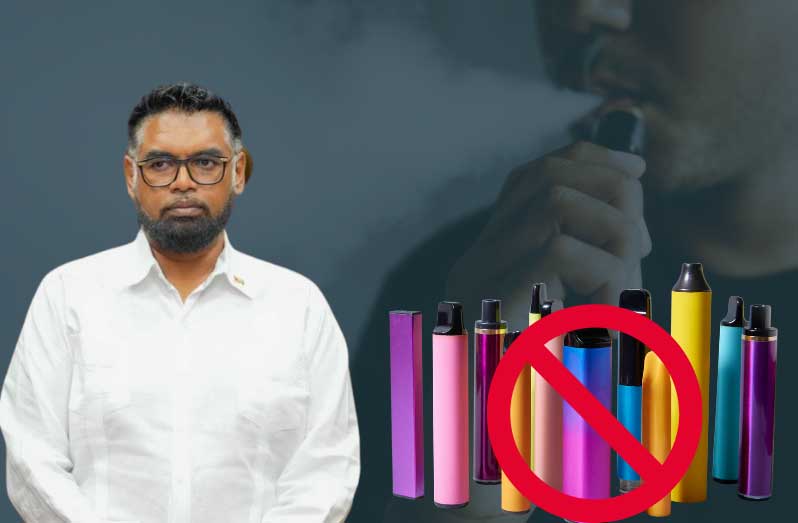
— Finance Minister to sign Order as gov’t moves to protect children, schools and public’s health
THE government will impose restrictions on the importation of all vapes and vaping products into Guyana, except those specifically approved by the Minister of Health or the relevant tobacco control authorities, President Dr Irfaan Ali announced on Saturday evening.
In a live address to the nation, President Ali disclosed that Senior Minister in the Office of the President with Responsibility for Finance, Dr Ashni Singh, will shortly sign an order under the Customs Act, Chapter 82:01, giving effect to the restrictions.
The move, he explained, follows growing concerns about the widespread and largely unregulated importation, sale and use of vaping products, particularly among schoolchildren and teenagers, and is intended to safeguard public health while allowing for approved medicinal and therapeutic applications.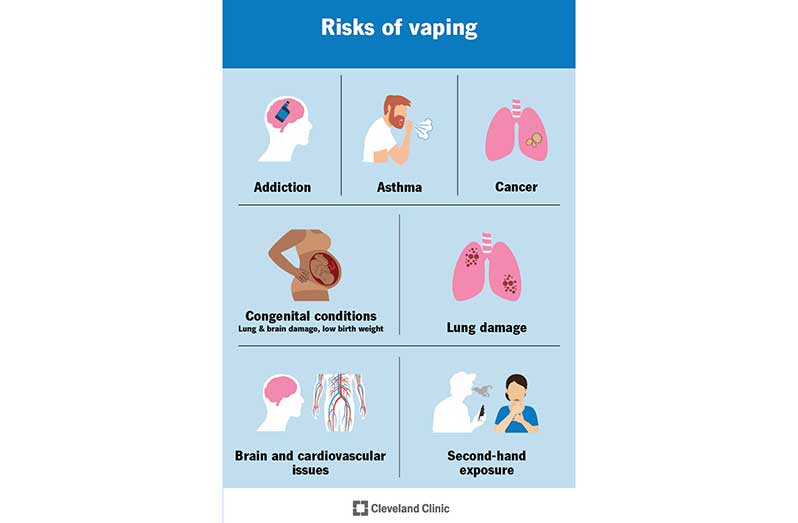
According to President Ali, the new proposed restriction on the importation of vapes of all kinds, except as approved by the Minister of Health, or the National Tobacco Control Council or Tobacco Control Board.
He said the decision was informed by consultations with parents, teachers, children, religious leaders and community representatives who have expressed increasing concern about the accessibility and use of vaping products among young people.
“As a responsible government, as a listening government, we have a duty to protect public health, particularly the health and well-being of our children and young people and to ensure that products presenting potential risks to consumers are subject to appropriate oversight and control,” President Ali said.
The Head of State explained that Guyana’s decision is consistent with measures being pursued internationally, as countries strengthen regulations governing the importation and distribution of vaping products.
According to the President, although vaping products are frequently marketed as alternatives to conventional cigarettes, they are not without health risks.
He pointed to warnings from the World Health Organization (WHO) about the potential consequences of vaping, particularly for children and adolescents.
WHO has declared youth nicotine dependency an urgent global emergency since tobacco companies have structurally shifted their business models to explicitly capture children and teenagers using heavily engineered, chemically modified e-cigarettes and alternative nicotine delivery systems.
WHO revealed that at least 15 million adolescents aged 13–15 are actively using electronic cigarettes globally. This counts alongside 40 million children who use other tobacco products and in countries reporting comprehensive data, children are 9 times more likely to vape than adults.
According to President Ali, “Vaping products can expose users to toxic substances that pose risk to human health,” highlighting the potential for nicotine addiction and its impact on brain development among children and adolescents.
He also warned that exposure during pregnancy presents risks to the developing foetus, while concerns remain about respiratory health and the potential long-term consequences associated with vaping.
He said the issue extends beyond physical health, as early exposure to vaping products could also have broader social and mental health implications for young people.
“The absence of complete knowledge about those long-term effects must not be mistaken for evidence of safety,” President Ali cautioned.
He explained that the increasing availability of vaping products, including those containing various additives and alternative substances, has contributed to growing concern among parents and educators.
The President disclosed that his discussions with teachers, children and parents revealed the extent of concern surrounding vaping within the school system.
“I’ve had discussion with many teachers. I’ve had discussion with children and parents, and this issue is of serious concern for our teachers, our children, religious leaders and our parents,” he said.
President Ali stressed that protecting children from vaping requires action not only from the Government but also from families, schools and wider society.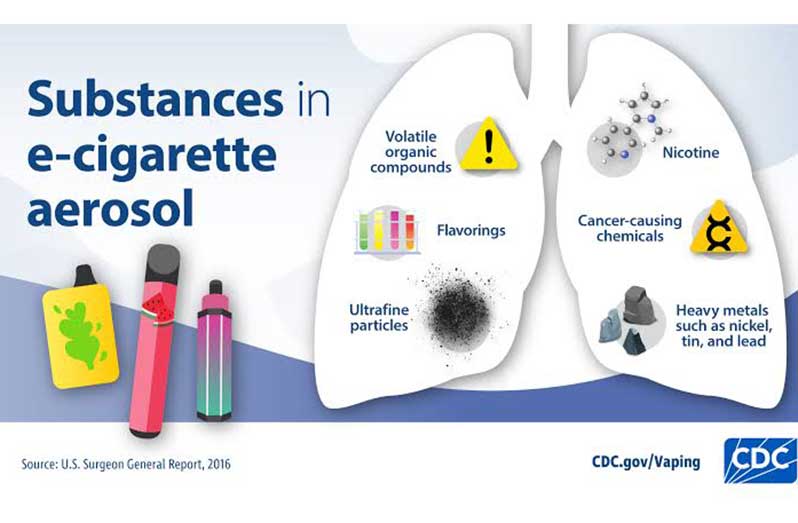
“We have to protect our children. We have to protect our schools. We have to protect our society. We have to adopt measures that are relevant to the challenges we face as a society,” he declared.
He identified the use and misuse of vaping products among teenagers and young children, including within schools, as one of the challenges demanding decisive national action.
The President also urged parents, religious leaders, teachers and other influential figures to educate young people about the dangers of vaping, particularly the risks associated with products containing additives.
EXCEPTIONS FOR APPROVED MEDICAL AND THERAPEUTIC USE
While the restrictions will target the importation of vaping products primarily intended for recreational use, President Ali made it clear that the Government is not seeking to prevent legitimate medicinal, therapeutic or approved alternative applications.
He acknowledged that certain vaping technologies and nicotine-delivery products may be used as alternatives to conventional cigarettes, but emphasised that their importation must first receive approval from the relevant health authorities.
“The use of vaping alternative must be approved by the Tobacco Control Board or the Minister of Health,” he said.
The President explained that the determination of which products qualify for exemptions must be made by the competent health authorities rather than importers or distributors themselves.
He noted that any authorised use would be subject to the applicable regulations and established medical standards.
He added that the restrictions “will not preclude legitimate medicinal, therapeutic, but alternative application where these are deemed necessary and appropriate.”
The Head of State maintained that the measure is designed to balance public health protection with the need for appropriate medical oversight, ensuring that products presenting potential risks are not imported without adequate controls.
He further noted that vaping is not a challenge unique to Guyana, pointing out that leaders across the Caribbean and internationally are also examining measures to address its impact, particularly on younger populations.
President Ali said the Government has a responsibility to act on the concerns being raised by citizens rather than disregard the potential consequences of vaping.
“We have a duty and responsibility to protect every generation,” he emphasised.
Describing the restrictions as a decisive intervention, the President said the Government remains committed to strengthening safeguards, supporting responsible regulation and protecting families and communities.
“This evening, I believe we’re taking a decisive step in protecting our children, protecting our schools, and safeguarding our families, communities, and society,” President Ali said.
The Head of State also made an appeal for continued national unity, faith and shared responsibility in protecting future generations and upholding the values Guyana seeks to pass on to its young people.
The forthcoming order will establish the import restrictions, with exemptions subject to approval by the designated health authorities.




