






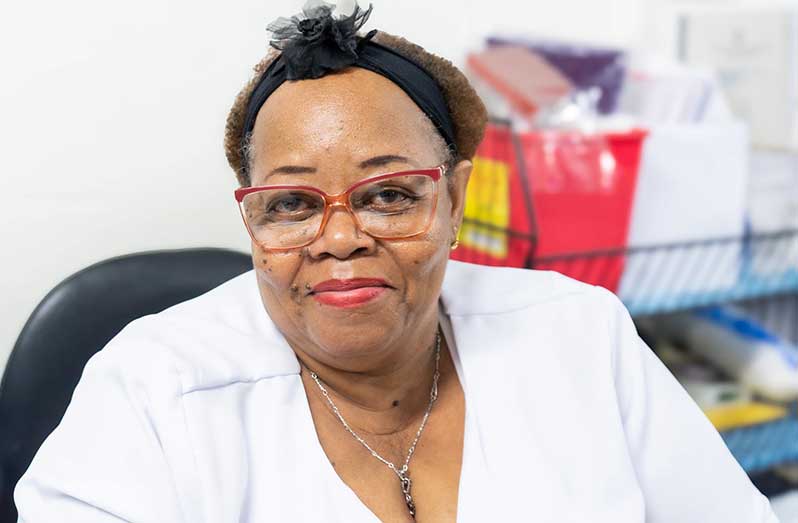
WOMEN should be encouraged to speak openly about their health concerns and seek medical attention when they notice unusual changes in their bodies, veteran midwife nurse Debbie Haley has urged, stressing that embarrassment and social taboos should never stand in the way of proper care.
With nearly four decades of nursing experience and more than 1,000 deliveries assisted, Haley has spent much of her career supporting women through different stages of life, including menstruation, fertility challenges, pregnancy, menopause and major gynaecological procedures.
She believes that understanding one’s body and recognising when something is wrong are essential steps towards protecting women’s health and well-being.
Through counselling and education, Haley helps women better understand their health concerns, navigate difficult experiences and make informed decisions about their care. She said women should feel comfortable seeking guidance, regardless of how personal or sensitive their concerns might seem.
Haley also highlighted the emotional challenges that can accompany major gynaecological surgery, particularly a hysterectomy, which involves the removal of the uterus.
She stressed that women undergoing such procedures need appropriate counselling before and after surgery to help them understand what to expect and cope with any emotional difficulties that may arise during recovery.
For Haley, the responsibility of healthcare providers extends beyond the procedure itself. Women also need reassurance, understanding and emotional support as they recover and adjust to changes in their lives.
She noted, too, that women should pay close attention to their menstrual patterns and seek medical assessment when they experience significant or unusual changes. Bleeding that lasts longer than normal or differs considerably from a woman’s usual pattern, for example, should not be ignored.
Recognising what is normal for their bodies can help women identify changes that may require professional attention. However, medical assessment remains important when symptoms are unusual or persistent, rather than relying on personal judgement alone.
Beyond awareness of physical symptoms, Haley is encouraging women to overcome the fear and discomfort that can sometimes prevent them from discussing intimate health matters.
She acknowledged that cultural expectations, social stigma and personal preferences may make some women reluctant to speak openly about gynaecological concerns, particularly when consulting male doctors.
In such circumstances, she emphasised the importance of creating a healthcare environment in which patients feel safe, respected and comfortable enough to share their concerns. Women who prefer to consult a female healthcare provider can also communicate that preference where possible.
Haley’s message centres on the need for compassionate care and open communication, ensuring that women feel heard rather than embarrassed or dismissed when seeking medical assistance.
Her advice is straightforward: women should know their bodies, speak up when something feels wrong and seek professional medical guidance when necessary.
Through her years of service, Haley continues to underscore the importance of education, early attention to health concerns and emotional support in helping women make informed choices and safeguard their overall well-being.




