
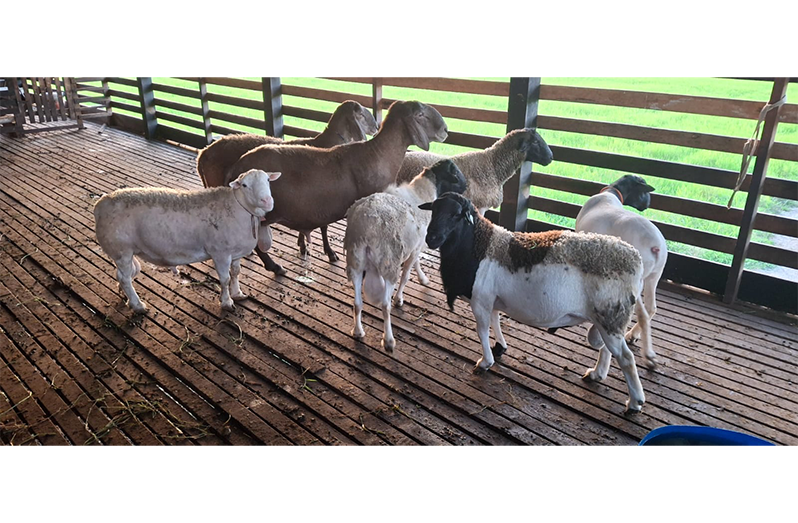
– Is confident of returning the trophy to his farm and Region 3 this year
FOR Ricardo Bhagnath, preparing for the Small Ruminant Show 2026 means more than selecting his finest sheep and goats.
It is a chance to show how a modest beginning, rooted in family tradition, has grown into a livestock enterprise through improved breeding, careful management, and sustained commitment.
The 36-year-old farmer, who operates in the backdam of Orangestein Village, East Bank Essequibo, is among those preparing for the Guyana Livestock Development Authority’s (GLDA) second annual show.
The event, scheduled for October 11, 2026, at the Rising Sun Turf Club in Weldaad, West Coast Berbice, will bring farmers together to exhibit their animals and exchange experiences.
Having earned recognition at the inaugural show in 2025, Bhagnath is returning with renewed confidence.
He said last year’s participation provided valuable exposure through interactions with other farmers and social media attention, which helped raise his business’s profile.
“I want to come to the show bigger and better. This year, I will bring all my best breeds of sheep and goats to participate, and I have already identified four good breeds to win prizes and showcase my animals,” he said.
That ambition stems from a farming journey shaped by family experience. Bhagnath told the Guyana Chronicle that he grew up in a family that raised sheep and goats for a living.
After he married, his mother-in-law gave him a few sheep, laying the foundation for his own enterprise.
As his flock expanded, so did his interest in improving the quality of his animals. He began researching livestock genetics online and seeking information on pedigree breeding stock, recognising the potential to strengthen his farm through more deliberate breeding decisions.
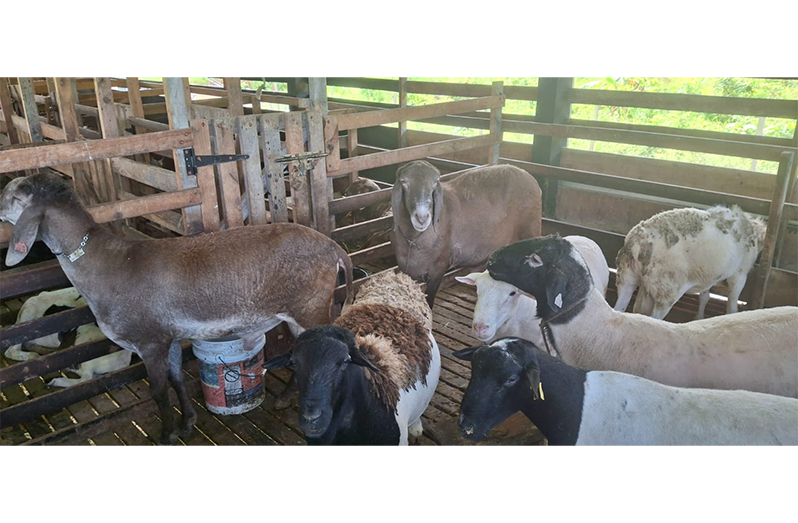
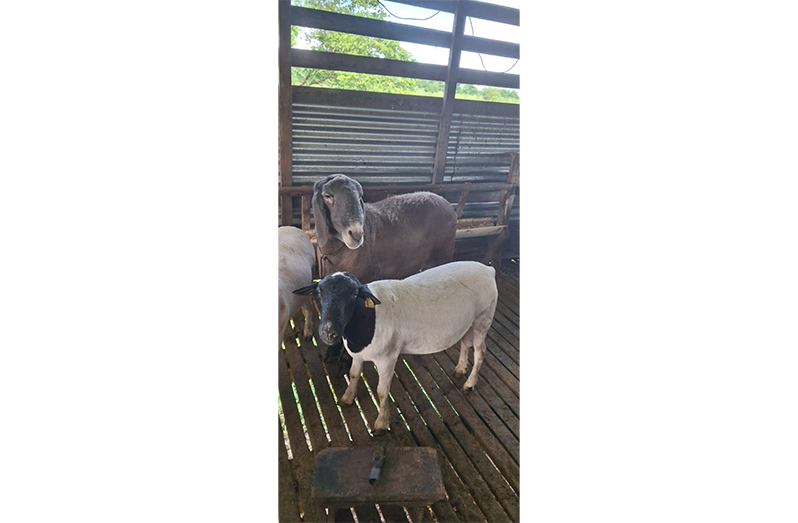
Despite the challenges, he acquired Boer goats and imported sheep breeds, including Dorper, primarily for breeding.
He regards investment in quality breeding stock as one of the most significant decisions in developing an enterprise that now comprises approximately 100 sheep and 40 goats.
However, Bhagnath attributes his progress to more than genetics. Access to grazing, supplemental feeding, and suitable housing have also been central to maintaining his animals.
Following GLDA’s advice, he adopted an elevated pen design to keep the animals above wet ground.
He said this investment has proved especially valuable during the rainy season, keeping the animals dry and protecting the flock from flooding.
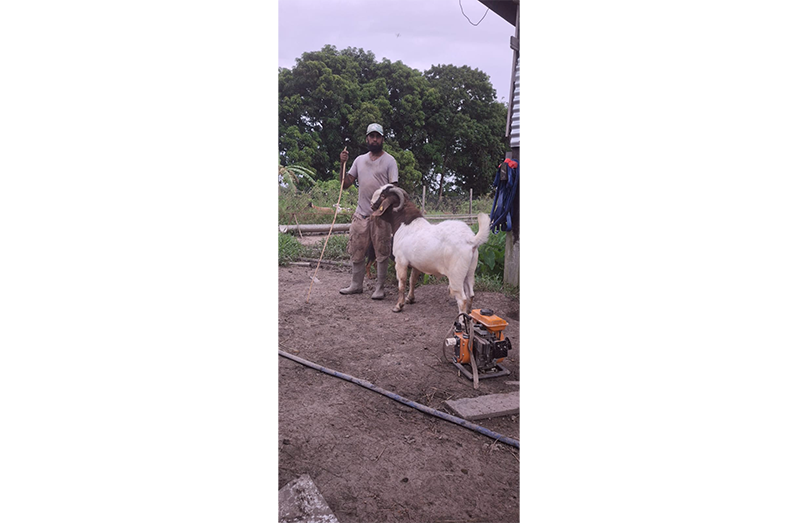
According to Bhagnath, his animals have remained free of foot rot. His experience has reinforced his confidence in applying technical guidance to the practical challenges of livestock farming.
That attention to management extends to record-keeping. He documents births and other information about his animals, supported by photographs of individual flock members. These records help him track their development and inform breeding decisions.
He also emphasised the importance of complying with official requirements when importing livestock, including obtaining the necessary licences, observing quarantine procedures, and following animal health guidance.
Bhagnath said GLDA helps farmers with the import licensing process, while extension personnel conduct farm visits and provide technical support.
Although he undertakes much of the routine care himself, he seeks veterinary assistance when his animals require vaccination.
Maintaining these standards nevertheless demands considerable effort. The farm’s remote location creates transportation difficulties, and Bhagnath said he cannot afford to employ additional workers at present.
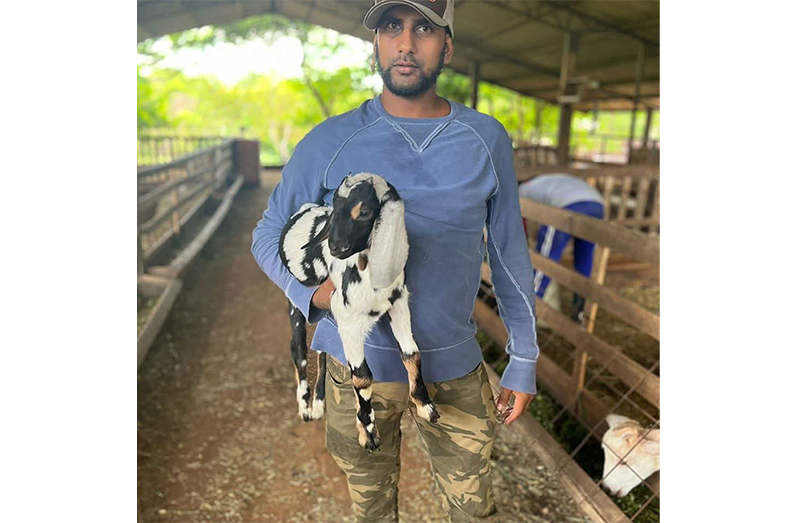
He therefore handles most daily responsibilities, with help from his wife and their two children, aged 12 and 13.
Farming, he explained, requires attention throughout the day, seven days a week. His family’s support is consequently essential to keeping the operation running.
Alongside these responsibilities, he is working to strengthen farm biosecurity. As a farmer registered with GLDA and the Ministry of Agriculture, he limits visitor access and plans to install a footbath as an additional precaution.
The demands of daily care have intensified during the hot conditions Bhagnath associates with El Niño.
With his animals spending time outdoors grazing, he pays particular attention to signs of discomfort and to their access to drinking water and shade.
“I noticed the animals are panting for breath when they are out to graze, so I know it is hot for them. I try to give them enough water and shade to keep them safe in these humid conditions,” he said.
Although he has not yet established a comprehensive heat-management system, Bhagnath is responding with the resources he has.
Providing enough water and access to shaded areas has become an important part of his routine, especially when he sees the animals becoming uncomfortable in the open.
These efforts add another dimension to sustaining his enterprise. Alongside feeding, breeding, and maintaining suitable housing, he must adjust his daily care to changing weather and his flock’s needs.
As the October show approaches, that consistent attention underpins his preparations. The animals he intends to exhibit represent years of investment and learning, supported by a family whose contribution remains central to the farm’s development.
Another prize would be welcome, but Bhagnath also sees the show as a chance to build on last year’s exposure and engage with fellow farmers.
He will arrive with his selected animals and a story of steady progress, from a few sheep his mother-in-law gifted him to a growing enterprise shaped by improved breeding and daily commitment.