






PATIENTS in Guyana’s hinterland communities are now able to access a wider range of medications closer to home through the expansion of the National Essential Drugs List, a move that is helping to reduce the need for travel to Georgetown for follow-up treatment and prescription refills.
The initiative, coupled with the Ministry of Health’s expanding telemedicine programme, is allowing patients to continue receiving specialist care while remaining in their own communities.
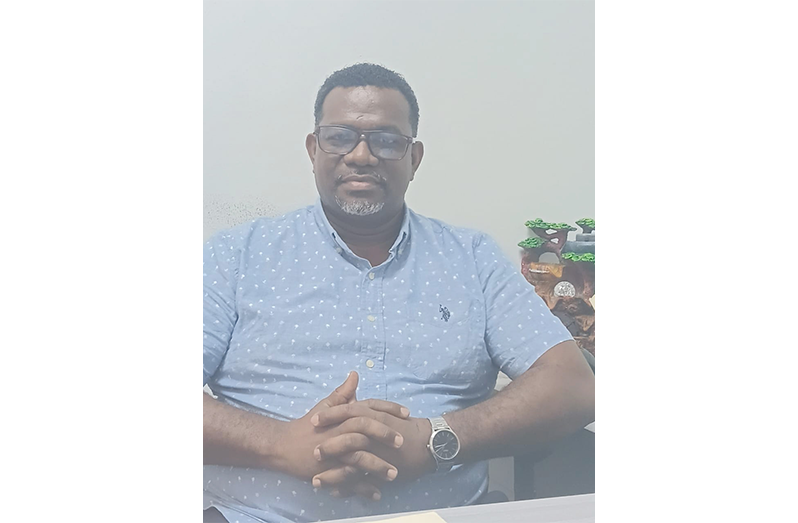
According to Mr. Michael Gouveia, Coordinator for Indigenous People’s Communities within the Ministry of Health’s Regional Health Services Department, patients who were once required to travel to Georgetown for ongoing treatment can now access many of those services through their local health facilities.
“We are able to put that medication on the National Essential Drugs List to be distributed and made available at these facilities. When the doctors see the patient, the doctor then issues an instruction to the nurse, medic, Government Medical Officer or Community Health Worker, I need you to give this patient this amount of tablets to be used in this manner for a day, and the patient continues to be managed,” Gouveia explained.
He noted that the approach has been particularly beneficial for patients managing chronic and specialised conditions, including mental health disorders, who can now consult with specialists through telemedicine while receiving medication closer to home. The model is also reducing the social and financial burdens often associated with accessing healthcare from remote communities. Gouveia said many patients previously faced significant challenges when required to travel to Georgetown for routine care, particularly women with young families.
“Let’s assume the patient is a mother who has several children. She will have to leave the children and come to town. While she is here, she is thinking about her children who are unprotected. When she comes to town, she has to find a place to stay or go to a hostel. It brings a lot of social effects on the patient,” he said.
With telemedicine now operating at more than 130 sites across Guyana’s hinterland regions, health officials believe the combination of digital consultations and expanded access to medicines is helping to close longstanding gaps in healthcare delivery while improving the overall patient experience.
Gouveia believes the model is creating a more efficient healthcare system while ensuring patients receive the care they need closer to where they live.




