






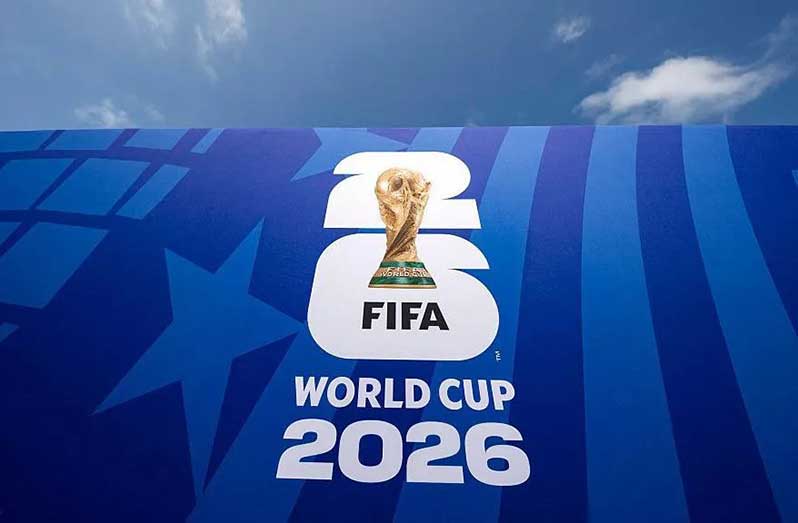
THE World Cup starts in Mexico City’s Azteca Stadium on Thursday and finishes in the MetLife Stadium near New York City on 19 July.
Forty-eight teams will contest the tournament, which will be played out in 104 matches across three countries over 39 days, including the co-hosts – Canada, Mexico and the United States – plus holders Argentina.
Who will get their hands on the famous gold trophy this time? Who are the other main contenders? And how will England and Scotland do?
Meanwhile, the FIFA Men’s World Cup is set to be the biggest betting event of all time, with more than $50bn (£37.4bn) in wagers placed globally.
The tournament will see punters place bets worth around $500m per match, according to a forecast by financial services firm Macquarie.
The expected $50bn total would be a major increase from the $35bn of wagers placed during the 2022 World Cup, which was held in Qatar.
Gambling awareness groups warned almost all punters lose money in the long-run, and that those betting during the World Cup risk being encouraged to try more addictive forms of betting.
Macquarie analyst Chad Benyon said the expected surge in gambling revenue is primarily due to an expansion of the number of teams at this year’s tournament, from 32 to 48.
As a result, there will be more than 100 matches over the six-week schedule, compared with the 64 played in Qatar in 2022.
The favourable time zones of hosts the US, Canada and Mexico will also boost global viewership, Benyon added, fuelling demand among punters in Europe, Latin America and Africa.
Another driver of the increase is the growing sports betting market in the US, with around 65% of the population now able to gamble on sports, up from 40% in 2022. (BBC Sport.




