






WHILE occupational therapy services in Guyana have expanded steadily over the past decade, greater public awareness and outreach are still needed to fully integrate the profession into the country’s healthcare system, according to a senior practitioner.
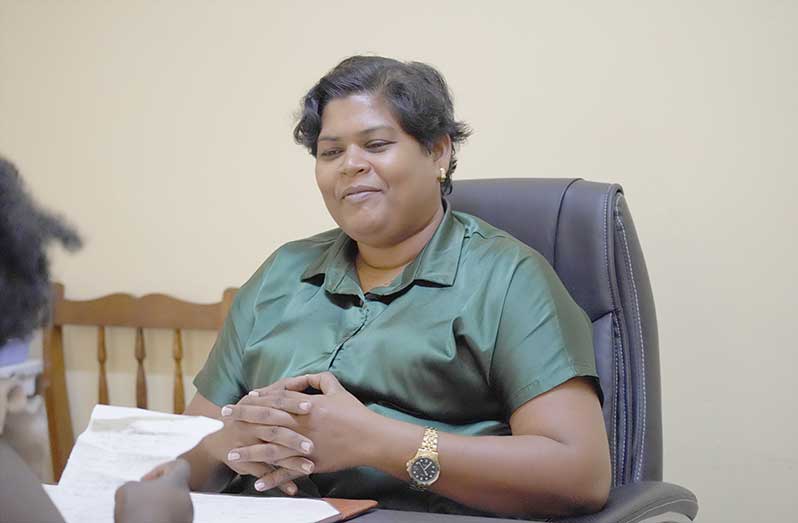
As Occupational Therapy Month draws to a close, Supervisor of the Rehabilitation Department at the Palms, Deoranie Babulall, is urging increased visibility for the field, noting that despite progress, many Guyanese remain unfamiliar with the role occupational therapists play in restoring independence and improving quality of life.
Babulall, one of the first six locally trained occupational therapists in Guyana, has spent the past ten years delivering patient-centred care and helping to guide the development of services nationwide. In an interview on Wednesday, she explained that occupational therapy focuses on enabling individuals to return to everyday activities following illness, injury, or disability.
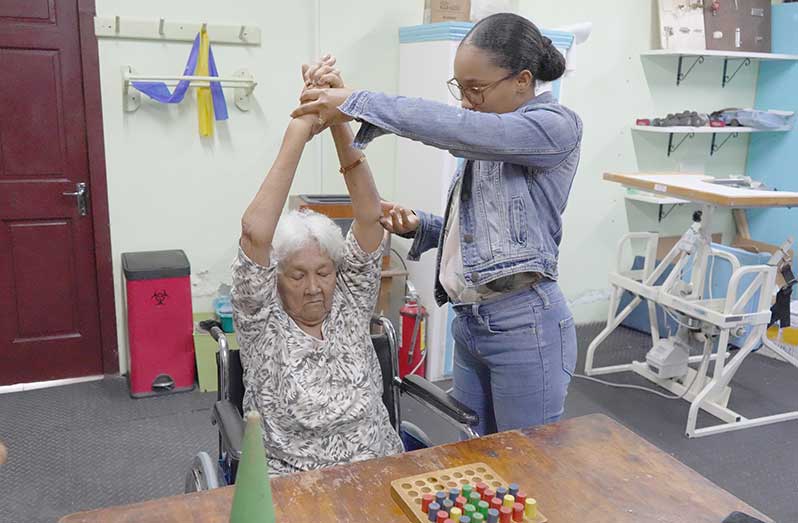
“Occupational therapy is about helping persons regain independence in their daily lives,” she said, noting that therapists work closely with patients to assess their limitations, strengths, and personal goals before tailoring treatment plans.
These interventions often include guided exercises and practical activities such as dressing, cooking, or other routine tasks—skills that are essential for independent living but may be impacted by medical conditions.
Babulall’s own journey into the field began after high school, when an interest in massage therapy led her to the University of Guyana’s Medical Rehabilitation Programme during its early years. Initially aspiring to become a physical therapist, she later chose occupational therapy after researching different rehabilitation disciplines—an experience that highlighted the urgent need for such services locally.
Since then, the profession has seen measurable growth. From just six practitioners a decade ago, Guyana now has approximately 17 occupational therapists, supported by rehabilitation assistants who extend services into underserved areas.
“We have grown in numbers and in the services being provided,” Babulall said, pointing to increased recognition of occupational therapy in clinics, as well as improved access to equipment and expanded service delivery.
She added that awareness among healthcare professionals and the public is also improving, with more doctors referring patients and greater understanding among parents and schools about how occupational therapy can assist children with disabilities.
However, challenges remain. Babulall emphasised the need for stronger media engagement and more effective use of social media platforms to educate the public about available services and career opportunities in the field.
At the Palms Rehabilitation Department, occupational therapy is part of a broader suite of “umbrella services” that includes physical therapy and speech and language therapy. The facility primarily focuses on neurological rehabilitation, treating patients with conditions such as strokes, spinal cord injuries, and amyotrophic lateral sclerosis (ALS). Additional services, including hydrotherapy and community-based care for stroke survivors, are also provided.
Rehabilitation services are also available at the Georgetown Public Hospital Corporation and the Ptolemy Reid Rehabilitation Centre, while physiotherapy support is offered through the National Sports Clinic.
Babulall noted that the Guyana Occupational Therapy Association maintains an active presence on social media, encouraging members of the public to seek information, ask questions, and better understand how occupational therapy can support recovery and daily functioning.
Despite advancements, she maintained that sustained awareness efforts will be key to ensuring occupational therapy continues to grow and reach those who need it most.




