






The University of Guyana (UG) will, from the first week of April 2026, launch a nationwide pre-medical programme across all ten administrative regions, in a decisive move to strengthen the country’s healthcare workforce and expand access to tertiary education.
The initiative, spearheaded by UG’s College of Medical Sciences, marks a significant scale-up in training capacity as Guyana accelerates the construction of 14 new hospitals and advances its broader health sector transformation agenda.
The regional rollout forms part of the University’s long-term “One Graduate per Household” target under its Blueprint 2040, and aligns directly with the Government’s push to decentralise access to quality education.
According to UG, the programme is expected to serve approximately 200 students in its initial phase, with delivery structured to ensure regional inclusivity while maintaining international academic standards.
Vice-Chancellor Professor Paloma Mohamed Martin underscored the strategic importance of the initiative, positioning it as a foundational pillar in modernising healthcare delivery.
“The University’s goal is to ensure that the expansion of our medical faculty keeps pace with the national health vision,” she said.
“While the April launch of the Pre-Med programme across all ten regions is a definitive step in accessibility, we are also working diligently to see how we might effectively work in a collegial inter-sectoral way… in the event of our medical students have to return from Cuba into a local curriculum that meets both their needs and our national standards.”
CUBA-TRAINED STUDENTS UNDER CONSIDERATION
In parallel, UG has activated a high-level response to address the needs of Guyanese medical students currently studying in Cuba, should they require reintegration into a local training system.
A technical team led by Dean of the College of Medical Sciences, Professor Ranjini Kurup, alongside Assistant Deans Dr Andrew Hutson and Dr Jamain Hatton, is developing a structured pathway to facilitate continuity of studies.
UG said the process remains conditional on rigorous academic assessments and coordinated engagement with key ministries, including Health, Education, and Public Service.
The effort is being executed in close collaboration with Minister of Health Dr Frank Anthony, Minister of Education Sonia Parag and Minister of Public Service and Government Efficiency Zulfikar Ally, reflecting what the University described as a “whole-of-government” approach.
MAINTAINING INTERNATIONAL STANDARDS
Deputy Vice-Chancellor for Academic Engagement, Professor Emanuel Cummings, has been tasked with leading the operationalisation of the programme. His appointment is aimed at safeguarding the internationally accredited status of UG’s MBBS programme while ensuring quality delivery across regions.
UG emphasised that the expansion is backed by major investments in infrastructure and technology, including:
The new Medical Sciences Building at Turkeyen, supported by the World Bank through the Government of Guyana
The Yesu Persaud Building for Medical Education at the Georgetown Public Hospital, outfitted for modern clinical training
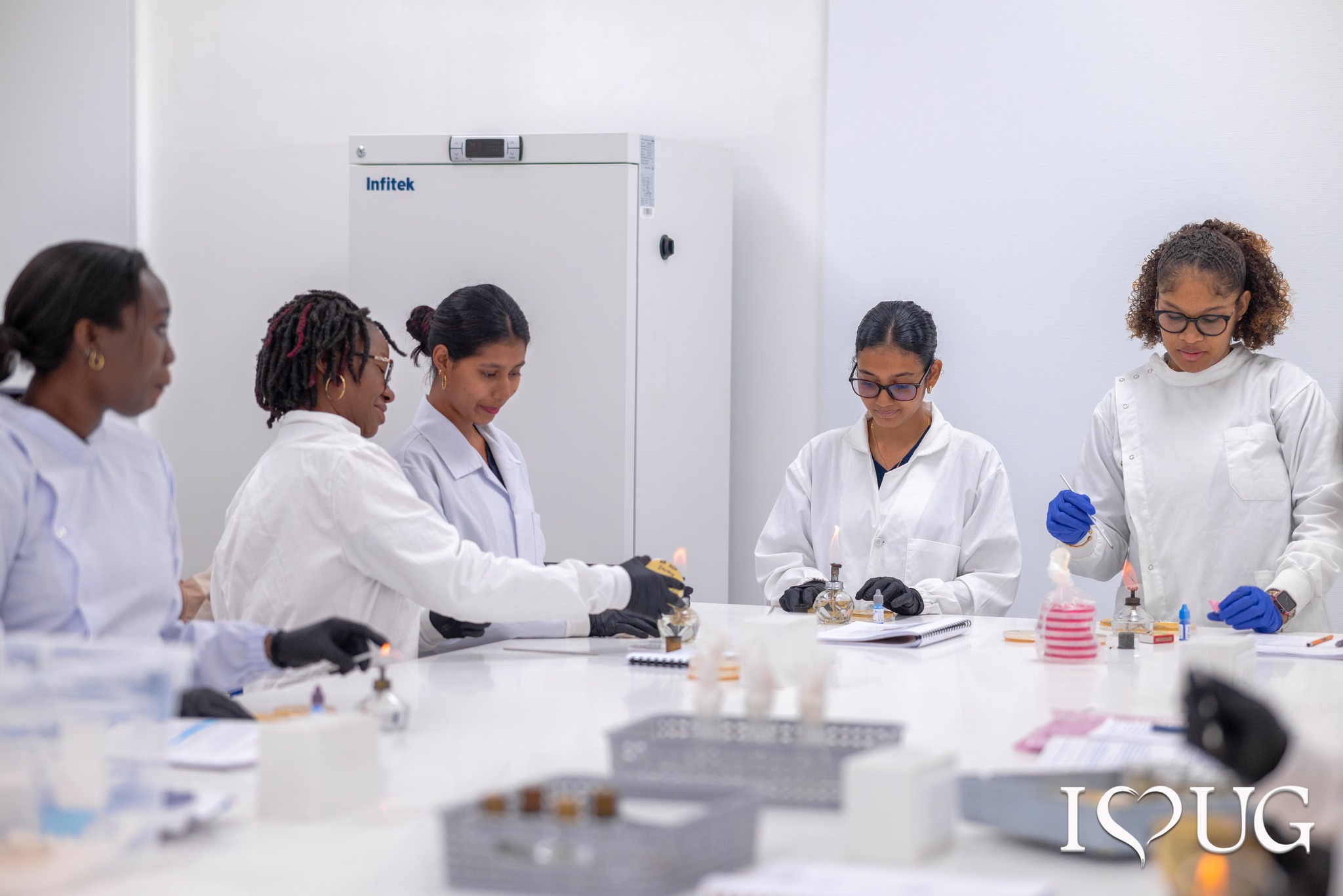
Advanced microbiology and dental laboratories established through partnerships with the Greater Guyana Initiative (GGI)
The pre-med rollout follows the expansion of other UG programmes into the regions, including engineering and infrastructure training at the Tain Campus, signalling a wider institutional pivot toward decentralised, skills-based education.
With the April launch imminent, UG’s latest move signals a clear policy direction: build capacity locally, reduce dependence on external training pipelines, and align education outputs with the country’s rapidly evolving development agenda.




