






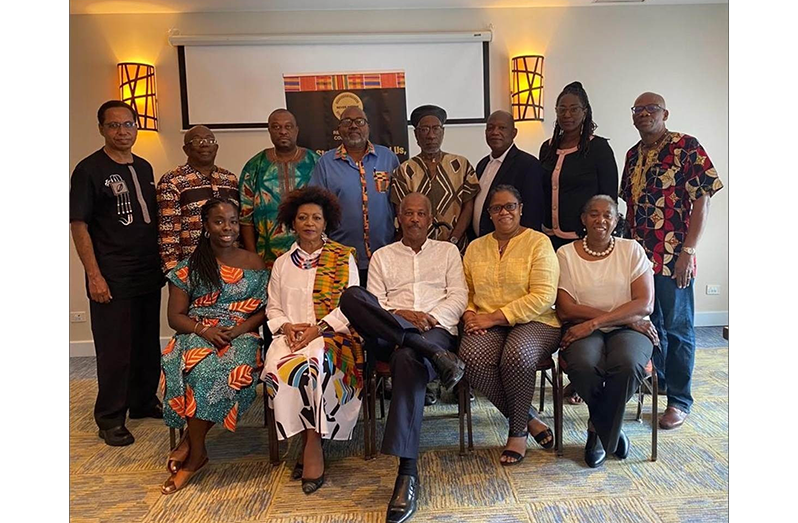
THE CARICOM Reparations Commission has renewed its call for decisive international action to address the enduring impacts of slavery, marking the International Day of Remembrance of the Victims of Slavery and the Trans-Atlantic Slave Trade with a strong appeal for reparatory justice.
In a message issued on Wednesday from the CARICOM Secretariat in Turkeyen, Greater Georgetown, the Commission paid tribute to an estimated 15 million Africans who were forcibly trafficked and enslaved across the Americas over more than three centuries, enduring the horrors of the transatlantic slave trade.
The Commission underscored both the suffering and the resilience of enslaved Africans, highlighting their resistance to what it described as a brutal and dehumanising system of racial domination. It noted that despite enduring the trauma of the Middle Passage and the denial of basic human rights, enslaved people mounted “countless acts of courage and defiance” in pursuit of freedom.
Reaffirming its commitment to reparatory justice, the Commission pointed to the CARICOM Ten Point Plan for Reparations as a roadmap for addressing historical injustices. The plan outlines the region’s collective approach to securing restitution and compensation, while promoting programmes aimed at dismantling structural and institutional racism.
The statement also characterised slavery, the trafficking of Africans, and related acts of genocide as crimes against humanity that were systematically orchestrated to enrich European powers while underdeveloping Africa and the Caribbean. It warned that the legacies of these systems continue to shape modern global inequalities.
Welcoming the launch of the African Union Decade for Reparations (2026–2035), the Commission described the initiative as a historic step that strengthens co-operation between Africa, the Caribbean and the wider diaspora in advancing the reparations agenda.
Looking ahead, the Commission emphasised the importance of sustained advocacy, dialogue and public education, noting that the global movement for reparatory justice is gaining momentum and entering a “defining moment.”
It concluded by urging the international community to recognise reparations as a matter of rights and accountability, stressing that “justice for the victims of African enslavement is justice for humanity.”




