






-as part of efforts to strengthen Guyana’s mass-casualty capacity
GUYANA’S emergency response systems are being strengthened through a new mass-casualty management training programme in collaboration with international agencies to enhance preparedness.
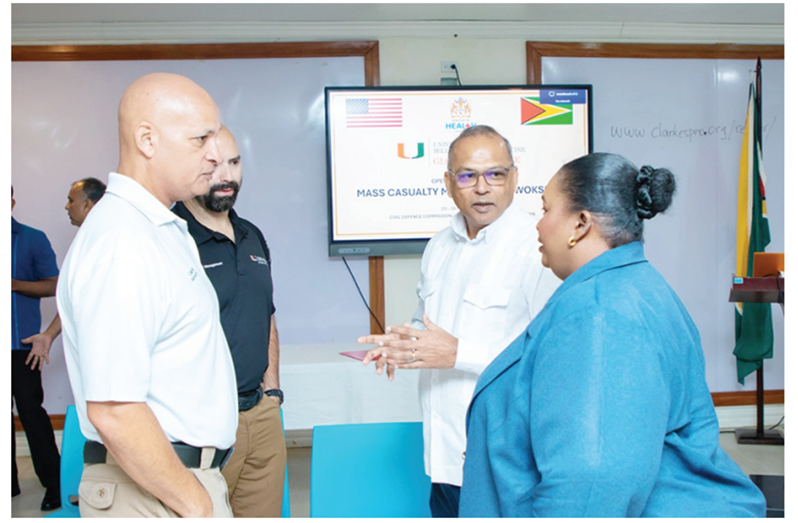
This is being done through a collaborative initiative with the United States Air Force’s Lesser Antilles Medical Assistance Team (LAMAT), which is currently conducting its third mission in Guyana. This year’s programme has been expanded to include the University of Miami, bringing additional expertise in disaster response and training.
At the opening ceremony of the workshop, which was held at the Civil Defence Commission (CDC) headquarters, Minister of Health Dr Frank Anthony underscored the importance of building national capacity, noting that mass casualties and large-scale emergencies can occur without warning.
“This is very important, because you don’t know when these things can happen, but when they happen, we need to be prepared,” Dr Anthony said.
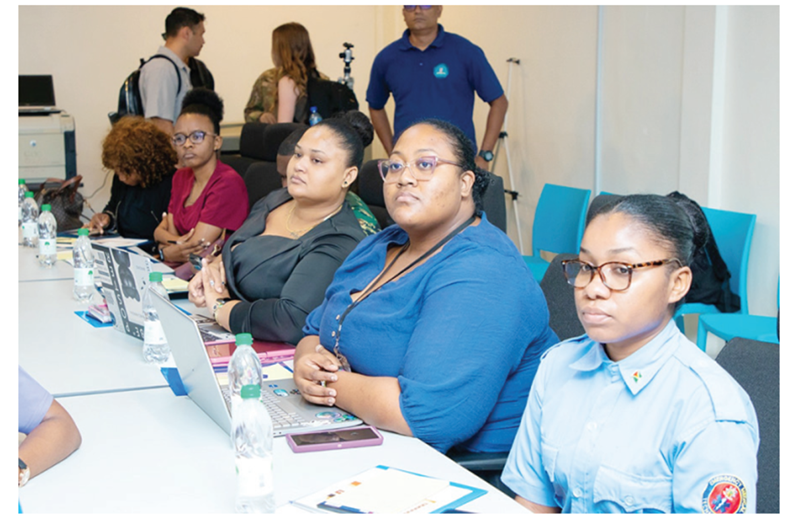
He explained that the partnership is designed to strengthen coordination among key agencies, including healthcare workers and frontline responders.
“Once we can have that interagency collaboration, our response would be much quicker, stronger and better for the people who are affected,” he stated.
Participants in the training include doctors, nurses and representatives from the Guyana Police Force, CDC, and the Guyana Defence Force, reflecting what he has described as a comprehensive approach to emergency management.
“So anytime you’re responding to an emergency, these are the agencies that would be involved,” he said.
According to the health minister, the collaboration allows for a rapid transfer of knowledge by combining international expertise with local experience.
“University of Miami… they’re bringing a lot of expertise, because they’ve been doing this, not just in the U.S., but globally,” he said.
Dr Anthony further noted that the LAMAT team also contributes significant operational experience. “When we can combine all of that, this is helping to transfer knowledge in a very accelerated way.”
Meanwhile, LAMAT Mission Commander, Colonel Theodore Liszeski, said the programme is designed to strengthen the entire chain of emergency response from first responders on the ground to hospital-based care.
“We want from ground level first responder all the way through the healthcare system,” he explained adding, “So what happens with the next echelon of care… how do we take it to the next level to eventually stabilise the people and get them home to their families?”
Against this backdrop, he added that the mission also emphasises collaboration and knowledge exchange between international and local teams.
“It’s working together, making sure that the systems are collaborative,” Liszeski said.
Additionally, Associate Director for Disaster Management at the University of Miami’s Global Institute for Community Health and Development, Vincent Torres, outlined the structure of the training programme, which includes certification in Basic Disaster Life Support (BDLS).
“This will allow the learners in the programme to get an overarching view of disasters, natural and man-made,” Torres explained.
He noted that participants will also receive training in mental health support, stress management, triage, and emergency interventions such as controlling severe bleeding.
“This is going to allow the responders and the medical professionals… to be better prepared to deal with high-stress situations and improve their response,” Torres said.




