






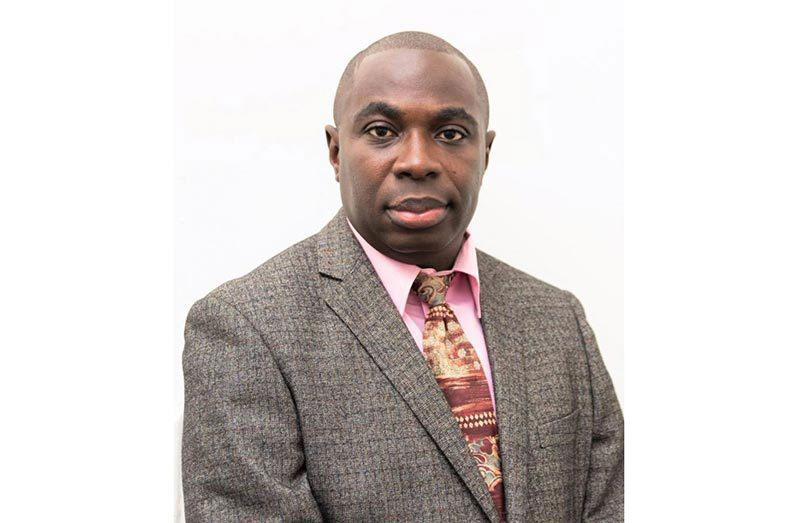
THE Government of Guyana has announced a consultative programme to tackle the harmful effects of social media on children and adolescents, saying it will seek balanced, evidence‑based measures rather than blunt restrictions.
In a video broadcast outlining the administration’s approach, Kwame Mc Coy, Minister within the Office of the Prime Minister with responsibility for Information, on Sunday said societies worldwide are confronting the unintended consequences of unregulated digital spaces.
“Across the world, societies are coming to terms with the unintended consequences of unregulated digital spaces on young people’s social media platforms, while offering opportunities for connection and creativity, have also become spaces where children and adolescents are exposed to cyber bullying, online predators, misinformation, harmful trends and unrealistic portrayals of life that fuel anxiety, depression and low self-esteem,” the minister said.
While social platforms offer opportunities for creativity and connection, the government has taken note of these platforms’ role in exposing young people to cyber‑bullying, online predators, misinformation and harmful trends that can fuel anxiety, depression, and low self‑esteem.
He cited studies around the globe that have suggested a rise in mental‑health challenges among young people, with disrupted sleep, reduced attention spans and academic decline increasingly linked to excessive social‑media use. Guyanese parents, teachers, and community leaders have reportedly voiced growing concern about the impact on children’s behaviour, safety and well-being.
The minister spoke of President Irfaan Ali’s roadmap which places a lot of emphasis on consultation.
“These are no longer abstract concerns. They are lived realities for families everywhere. Guyana is not insulated from these global trends. Once again, the People’s Progressive Party /Civic government has demonstrated that it is a responsive, caring and people-centred administration in addressing what has become a growing public concern,” he added.
Rather than imposing immediate restrictive measures, the government is expected to spearhead an inclusive process that will engage parents, educators, youth organisations, mental‑health professionals, faith groups and civil‑society representatives, as well as young people themselves.
The consultations are slated to begin in early 2026.




