






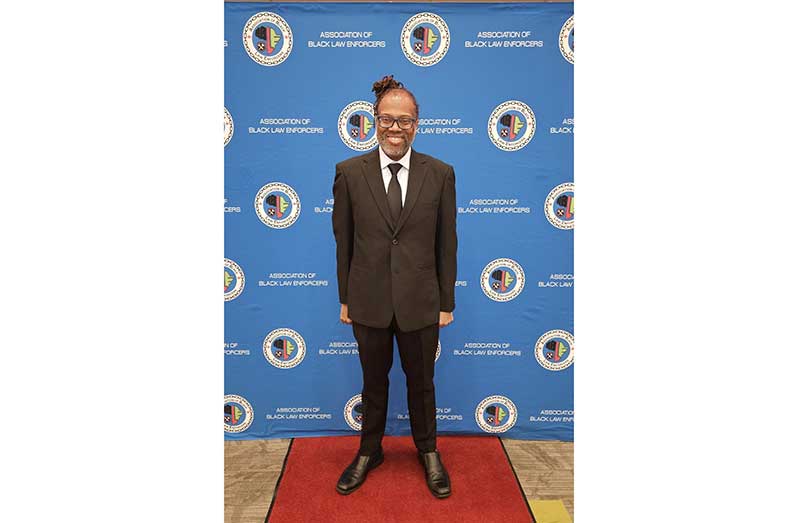
— Attorney Pieters challenges claims of political persecution by Mohamed family
GUYANESE-CANADIAN attorney Selwyn Pieters has publicly dismissed claims by United States-sanctioned businessman Nazar Mohamed that his family is being subjected to “continuous, deliberate, and malicious political persecution” in Guyana.
He said their actions tell a different story. Pieters questioned why the family chose to return to Guyana — rather than seek refuge abroad — if their fear of persecution were “well founded.”
“If the Mohameds fear of persecution were well founded and they had that subjective belief, they would have filed a Convention Refugee claim in Barbados and not re-avail themselves of Guyana,” Pieters said in a Facebook statement.
A Convention Refugee claim is an application made by a person who is seeking international protection because they fear persecution in their home country.
It is based on the 1951 United Nations Convention Relating to the Status of Refugees and its 1967 Protocol, which many countries are parties to.
“Why did Nazar and Azruddin Mohamed return to Guyana if they are being persecuted here? Prosecute is different from persecute,” he said.
In a letter to the editor, Nazar claimed that his family is facing political persecution, claiming what they are experiencing is not law and justice.

The elder Mohamed himself, however, admitted that the “persecution” he describes, started only after global scrutiny hit his business operations in 2024, not due to any domestic political feud.
In his own words: “This campaign of persecution began after the Reuters article on Mohamed’s Enterprise, which referenced sanctions allegedly confirmed by a senior government source. From that moment, the full weight of state machinery was unleashed…”
The Reuters piece highlighted U.S. sanctions from June 2024, issued by the Treasury Department’s Office of Foreign Assets Control (OFAC) over claims of tax evasion, trade-based money laundering, and gold smuggling. Those measures stemmed from American probes, not local Guyanese politics.
Even more revealing is the sequence of events Mohamed outlines. His claimed harassment kicked off in 2024, well before his son, Azruddin, formed his political party in 2025. It defies logic to pin this on electoral rivalry in Guyana when the alleged actions happened first.
Compounding the weakness in Mohamed’s story are details of the US legal action. In October 2025, Nazar, and Azruddin, who is also sanctioned, were indicted by a United States grand jury on multiple charges, including conspiracy, wire and mail fraud, money laundering, tax evasion, and gold smuggling, over export activities that allegedly deprived Guyana of US$50 million in taxes and duties. These charges carry potential penalties of up to 20 years imprisonment for each count.
They were arrested in Guyana on an extradition warrant issued following a formal request from the United States. The Guyana government said the arrest complied with treaty obligations under the Fugitive Offenders (Amendment) Act and denounced suggestions that the extradition process was politically inspired.




