DESPITE the traditional perception that Guyana’s forestry sector is male-dominated, women have for years been playing an integral role to the development of the industry.
The country has seen an increasingly growing population of women who are interested in the sector. In fact, a recent study conducted here, revealed that most of these women occupy leadership roles within the sector. However, much more support is needed for these women to maximize their potential.
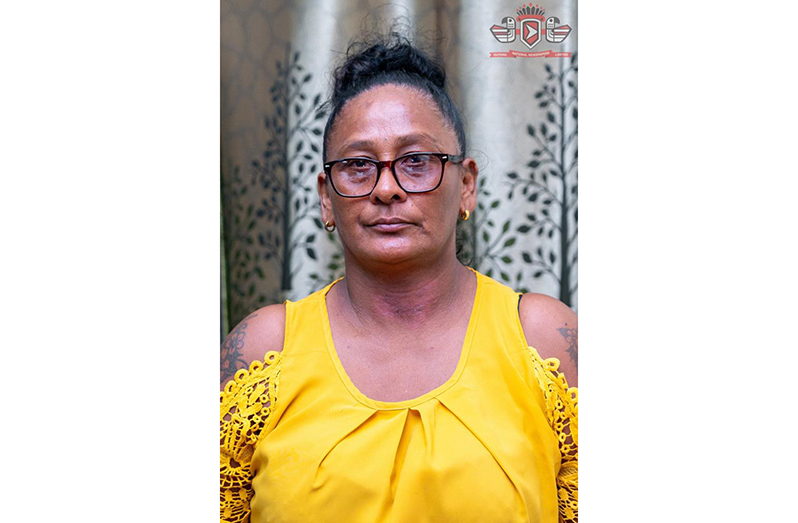
At a recent workshop held in Georgetown, Vanessa Daniels, Chairperson of the Maria Elizabeth/Three Friends Loggers and Farmers’ Association, shared plans for expanding the local logging industry in her community.
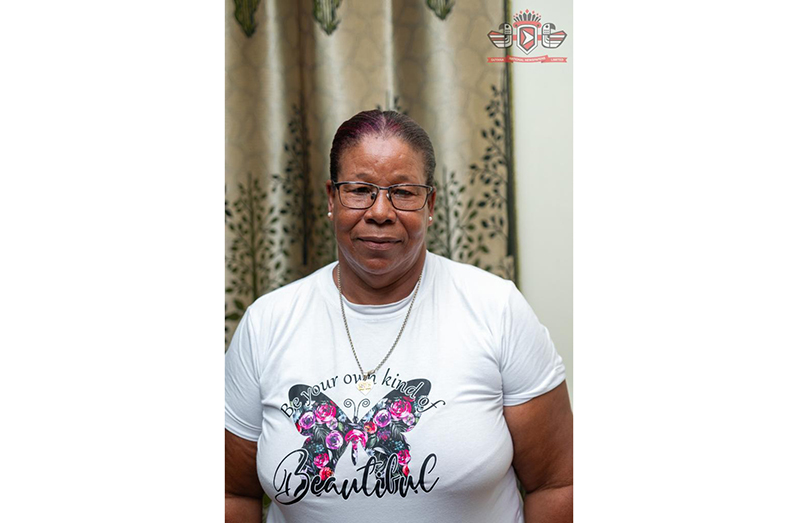
Daniels is among several loggers of her small community who contribute to development and it is her belief that with more lands for concessions, women will not only be able to earn more for a living, but also for their respective communities.
“If we could get other areas to work with more produce on it…We can do furniture because we have a lot of less used species and we have joinery workshop where we can do furniture.”
Further explaining, Daniels said that opportunities in forestry are endless, and women can explore if more concessions are available.
“More lands available is more lands from the Guyana forestry Commission [GFC]; when or if we get through with that, we will be able to go into all these directions.”
Sharing a similar vision, Sybil Edmunson of Coomacka Forest Products and Agricultural Cooperative Society highlighted a number of avenues the forestry sector can provide for the women in her community.
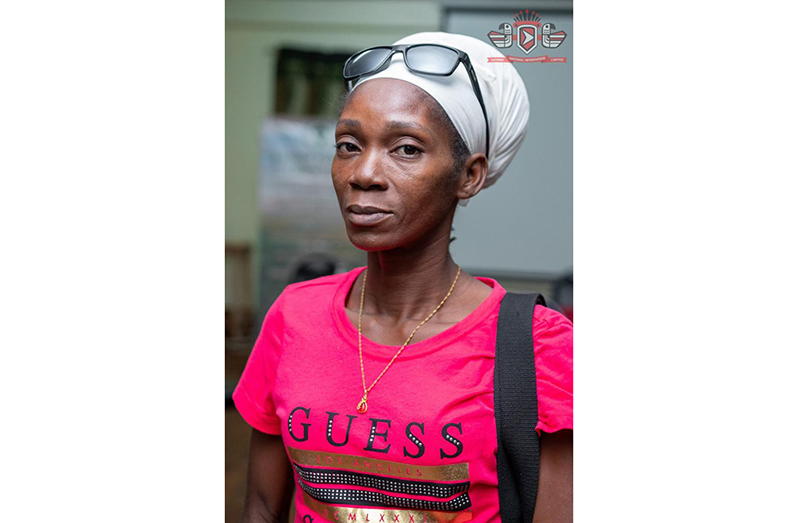
“Our community is a small community but it is on the verge of development and we would like to go down in the value added stream doing a joinery shop.”
Women, she said, can be the suppliers of both the raw and byproduct materials to support the community’s development.
For example, Coomacka has two schools, and if the opportunity is given for the women to develop a joinery shop, they can bid on government contracts to supply furniture to the schools.
Edmunson related that she has engaged officials to secure a plot of land for the shop.
“We don’t know how long it will take to get the joinery shop up and running but that is our future that we are looking.”
Meanwhile at Yarrowkabra, Quibileh Pollard is one of the women producing charcoal.
The challenges she and the women she works along with face are unique.
Pollard and her organisation are currently working on acquiring legal documents for their operating land.
Pollard noted that this has been in the making for a very long time.
“We are in the process of trying to accumulate the land and it’s the first time we went about it being the fact that we are an association and the body changes; every time the body changes, it kind of affects the way going forward.”
The group is also in the process of transitioning from a friendly society to a co-operative society.
With this being done, Pollard is hoping more opportunities will be made available to them to explore other by-products and access training.
RESEARCH
Gender and Social Development Specialist Salima Bacchus-Hinds, among several persons, partnered with the Guyana Forestry Commission and the Food and Agriculture Organisation to conduct a study on women’s contribution to Guyana’s forestry industry.
Bacchus-Hinds, who shared the findings of the recent studies conducted, revealed Guyanese women and girls represent just over 50 per cent of the population; however, they are underrepresented in the labour market.
Zeroing in on the forestry sector, she said: “The way men and women interact with the use, management and conservation of the forest varies comparatively. Wider social norms around work and gender, means that men and women are represented at different places along the value chain.”
Additional suggestions were made to include women’s knowledge and expertise in sustainable forest management within management policies. The study was carried out in Yarrowkabra, Coomacka, Three Friends, and Mainstay/Whyaka. It was facilitated by the Guyana Forestry Commission, Gender and Forest Group, and United Nations Food and Agriculture Organisation (FAO).
“What we’re happy about is that all the players have come together, and we’ve been able to identify, number one, what’s the vision they have; and number two, what kind of expertise we can bring to work together,” FAO representative to Guyana, Dr. Gillian Smith said in an interview.
Dr. Smith further explained that the research will extend further as Guyana’s forest is taking centre stage.
“This is an initiative that is coming from the ground up; an initiative of kinds of expertise and backgrounds who are interested in figuring out how we maximize the sustainability of Guyana’s forest.”