
The beekeeper behind Nature Life
FROM four hive boxes to a growing enterprise, Berbice beekeeper Romel Rudder is turning his love for bees into a livelihood—and looking ahead to new opportunities for Guyana’s honey industry.
Romel Rudder began with four hive boxes and a love for bees. Today, the Belle View, East Bank Berbice resident manages 34 hives, markets honey under his Nature Life brand, and hopes to expand a business that has become an important part of his family’s life.
His journey began about 12 years ago with bee trapping. What started as an interest gradually grew until, in 2022, he decided to pursue beekeeping full-time.
Speaking with the Pepperpot Magazine, the 34-year-old explained that he had previously earned his living by cultivating cash crops and ground provisions.
Beekeeping offered a chance to build on his connection to the land while earning a living from work he enjoyed.
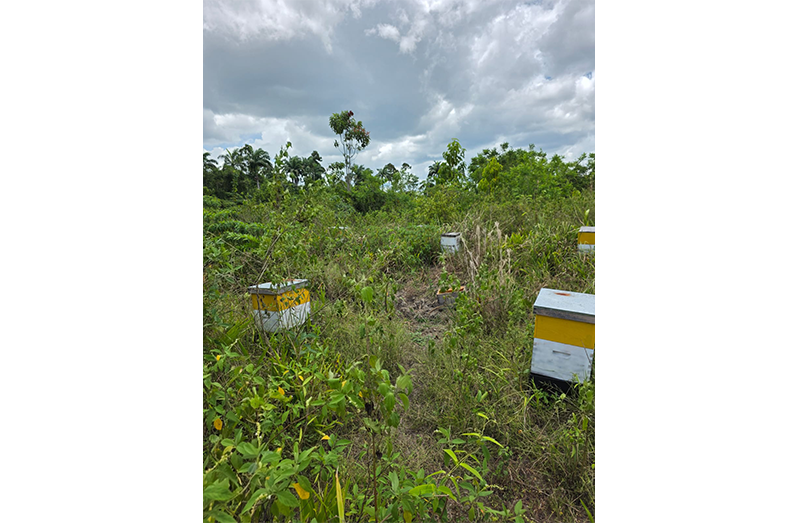
He placed his first four boxes among the mangroves near the sea defence and in the backlands among citrus trees. As his experience grew, so did the operation.
He now maintains hives in two locations: near the coastal mangroves and on his farm, where Long John and citrus trees grow.
Most of his hives have supers, while about six remain single-box hives. He also uses beeswax to prepare hive foundations for his Africanised bees, a practice he considers effective in supporting honey production.
Rudder reported harvesting 128 gallons of honey from four super boxes across two honey-flow seasons. He is keen to keep harvest records as he develops the enterprise and works to increase production.
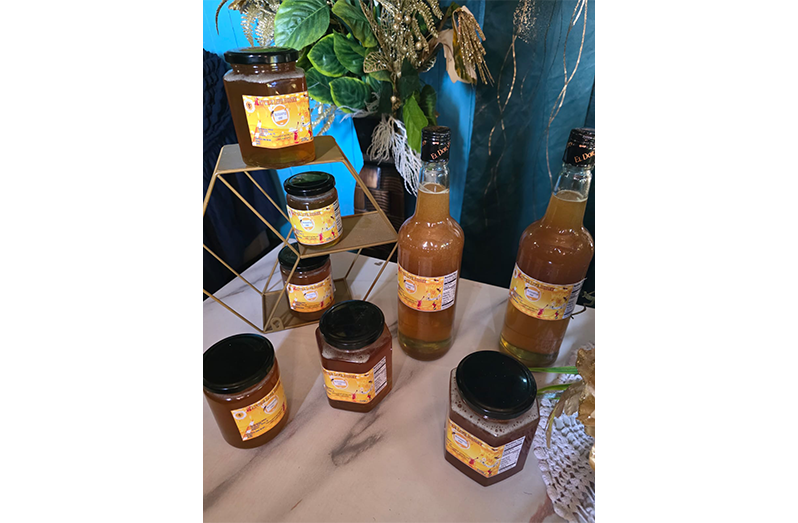
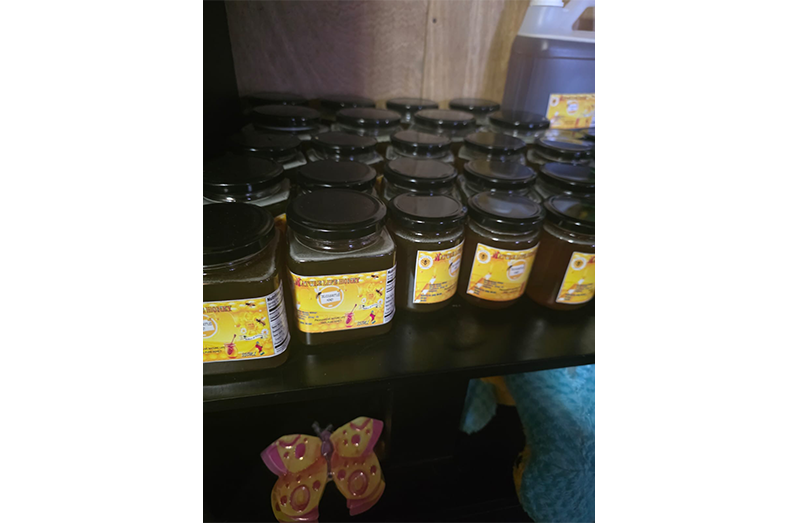
For Nature Life, finding customers has not been a major challenge. According to Rudder, positive feedback and his honey’s reputation have helped build demand, giving him the confidence to plan further expansion.
He maintains that his product is entirely authentic and regards customer trust as essential to the business’s success.
Behind that business is a family partnership. Rudder, a father of one, credited his wife, Tanya, with helping him manage the demands of beekeeping.
Her involvement helps him balance the enterprise with family life, and he expresses gratitude for her continued support.
The Guyana Livestock Development Authority (GLDA) has also supported his progress. The agency supplied him with 10 hive boxes, while extension personnel in his region offered visits, training and technical guidance.
Rudder welcomed the support and believed Guyana’s apiculture industry was developing rapidly with backing from the Government of Guyana, led by President Dr Irfaan Ali.
However, as producers look to expand, he wants greater access to modern equipment for extracting, bottling, and packaging honey.
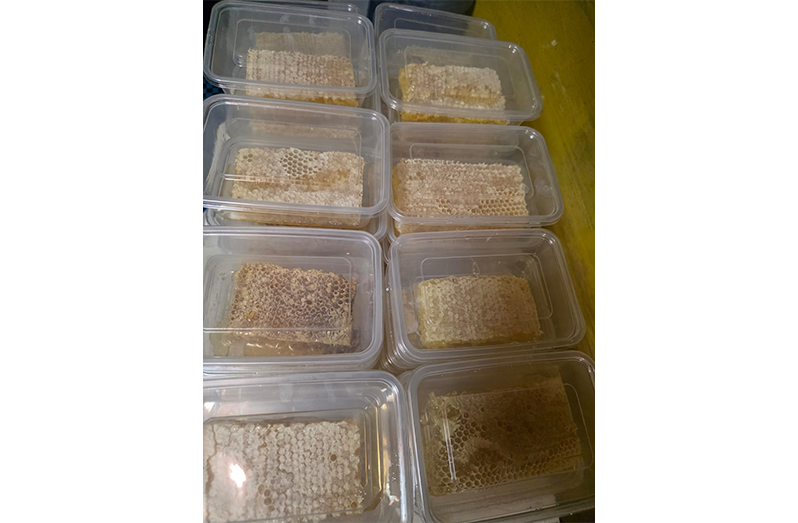
He explained that this assistance would simplify preparing honey for sale and help beekeepers increase production.
Two developments attracting his attention are the Queen Bee Rearing Facility and the Honey Laboratory.
Both facilities form part of the Government of Guyana’s strategic plan to expand the apiculture industry and will be operated by the GLDA.
For Rudder, the facilities address two practical priorities: helping beekeepers build productive colonies and strengthening confidence in the quality of locally produced honey.
He believes the Queen Bee Rearing Facility will support colony development and improve productivity.
He also hopes beekeepers will receive practical training in breeding their own queen bees so they can apply those skills in their operations.
He is particularly eager to commission and operate the Honey Laboratory, which he expects will help assess the quality of local honey and support efforts to identify adulterated products.
For a beekeeper whose reputation depends on the authenticity of his product, this matters greatly.
Rudder believes consumers should be confident that what they buy as honey is genuine, and that producers who uphold that standard should have their work protected.
“I feel it should be mandatory for all honey produced to be tested to get rid of all fake honey on the market because it is dishonest to sell sugar instead of honey to people since most use it for health purposes,” he said.

He advocates testing locally produced honey through the GLDA and hopes the laboratory will strengthen efforts to address what he described as adulterated honey entering the local market.
Beyond production and testing, Rudder sees value in opportunities that bring beekeepers and consumers together.
His participation in Honey Fest 2025 showed him how valuable such an event can be for a growing business.
He described it as an interesting experience that increased Nature Life’s visibility and provided valuable networking opportunities.
The chance to showcase his products and build connections deepened his appreciation for the event.
Rudder commended the GLDA and the Ministry of Agriculture for the initiative, recognising its contribution to promoting local honey and highlighting the work of Guyanese beekeepers.
He is now preparing for Honey Fest 2026, where he hopes to earn recognition for the variety of honey he produces.
Drawing on last year’s experience, he is encouraging consumers to attend, meet local producers, and discover their products.
Honey Fest 2026 will be held on October 30, 2026, on the lawns of the Ministry of Agriculture compound at Vlissengen Road and Regent Street.
For Rudder, the event marks another step in a journey that began with four boxes.
With his wife’s support, an established customer base, and plans to scale production, he looks ahead to the next stage of Nature Life while staying closely connected to the bees that first captured his interest.