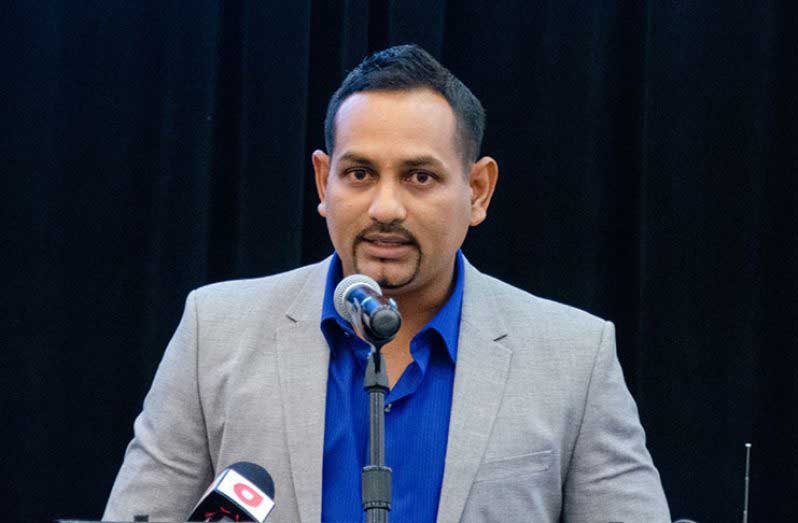
GUYANA’S tourism industry must embrace digital technology and artificial intelligence while ensuring that people, communities and the country’s distinctive cultural and natural heritage remain at the centre of the visitor experience, Tourism and Hospitality Association of Guyana (THAG) President Mitra Ramkumar has said.
In a World Tourism Day 2026 message, Ramkumar said the theme, “Digital Agenda and Artificial Intelligence to Redesign Tourism,” comes at a critical juncture for Guyana as the sector experiences rapid growth and prepares to host the Caribbean Tourism Organisation’s State of the Tourism Industry Conference (SOTIC) next month.
Guyana recorded a record 453,489 visitor arrivals in 2025, Ramkumar said, adding that the sector’s success should be measured not only by visitor numbers but also by the employment, business opportunities and community development generated by tourism.
World Tourism Day will be observed on September 27.
Ramkumar said technology is already changing the way travellers discover and purchase tourism experiences, with social media, digital maps, video platforms and AI-powered travel services increasingly serving as gateways to destinations.
He said the transformation could be particularly beneficial to small and medium-sized tourism enterprises, including interior lodges, community tourism operators, family-owned restaurants and local tour companies.
Technology, he said, can strengthen marketing, improve reservations and customer service, enhance decision-making and efficiency, and enable locally owned tourism businesses to reach potential customers in international markets.
“The question, therefore, is no longer whether Guyana should embrace digital transformation and artificial intelligence,” Ramkumar said. “We must.”
He stressed, however, that technological advancement should complement rather than replace the human elements that distinguish Guyana’s tourism product.
“Technology must enhance our humanity — not replace it,” he said, pointing to the knowledge of Indigenous guides, traditional cuisine, local craftsmanship, wildlife encounters and the cultural stories associated with destinations such as Kaieteur Falls.
Ramkumar said artificial intelligence should be used to take those stories to a wider global audience while ensuring that Guyanese people remain central to the tourism experience.
He also called for greater investment in education, training and capacity building to ensure that tourism workers, entrepreneurs, communities and young people are equipped to participate in and lead the sector’s digital transformation.
The call comes as Guyana prepares to host SOTIC from October 5 to 9 under the theme “Tourism Futures: Smart, Sustainable and Inclusive.”
The conference is expected to bring Caribbean and international tourism stakeholders to Georgetown for discussions on the future of the regional industry, including technology, innovation, tourism intelligence and data.
Ramkumar said the timing of the conference was particularly appropriate, coming shortly after World Tourism Day places the role of digital technology and AI in tourism in the international spotlight.
He said hosting SOTIC provides Guyana with an opportunity to showcase its tourism attractions, including its forests, rivers, waterfalls, wildlife, cuisine and culture, as well as the communities and businesses that underpin the country’s tourism product.
THAG, he said, is working with the Ministry of Tourism, Industry and Commerce, the Guyana Tourism Authority, the Caribbean Tourism Organisation and private-sector partners to support the conference.
Ramkumar stressed that the value of SOTIC should extend beyond the conference itself, with Guyana seeking to use the event to build business relationships, attract investment, exchange knowledge, strengthen regional partnerships and open new markets for local tourism enterprises.
He placed particular emphasis on young people, noting that the tourism workforce of the future will increasingly intersect with artificial intelligence, data analytics, digital marketing, content creation, sustainability, experience design and emerging technologies.
“The next generation will enter a tourism industry fundamentally different from the one many of us entered,” he said. “Our responsibility is not simply to prepare them to participate in that future. We must prepare them to lead it.”
Ramkumar said THAG envisions a tourism industry that is competitive, sustainable, inclusive and distinctly Guyanese, where interior community enterprises can access global markets, hotels and restaurants can use technology to improve efficiency, and tour operators can use data to identify new markets.
He cautioned, however, that technology alone would not determine the sector’s success.
Reliable infrastructure and connectivity, access to financing, investment, skilled personnel, strong partnerships and high standards of customer service would remain essential to Guyana’s tourism competitiveness, he said.
As Guyana observes World Tourism Day, Ramkumar said the country should use the occasion to consider not only the growth already achieved but also the direction in which the industry should develop.
“Let us embrace technology without losing our humanity,” he said.
“Let us use Artificial Intelligence while continuing to value authentic intelligence, the knowledge, creativity, culture, experience and ingenuity of our people.”
Ramkumar said the ultimate objective should be to use digital platforms to take Guyana’s tourism product to the world while ensuring that the economic benefits reach businesses and communities across the country.