






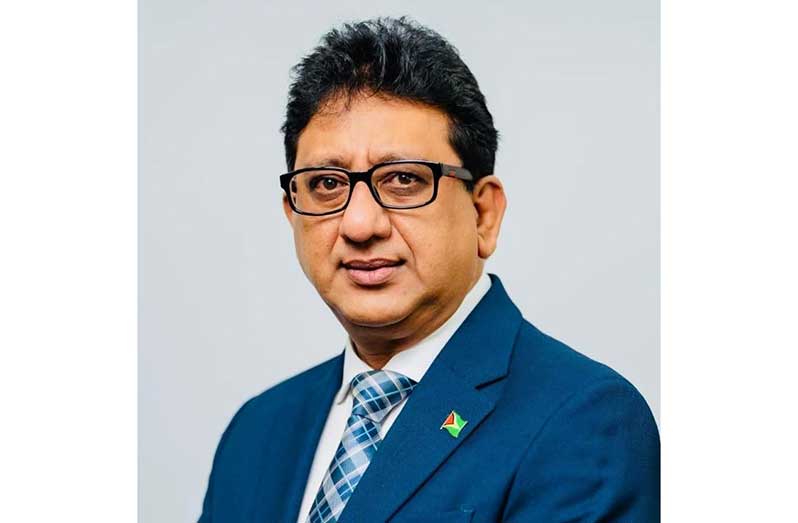
— says failure to address key issues raises questions about decision-making
ATTORNEY General and Minister of Legal Affairs, Anil Nandlall, SC, has questioned whether the opposition would be capable of making the decisions required to govern Guyana, pointing to the outcome of the recent meeting between A Partnership for National Unity (APNU) and We Invest in Nationhood (WIN).
Nandlall criticised the August 24 meeting, describing it as an example of what he considered a lack of direction, maturity and decisive action.
He made the remarks during his weekly programme, Issues in the News, where he examined the meeting between the two major opposition groupings and questioned the outcome of their much-anticipated engagement.
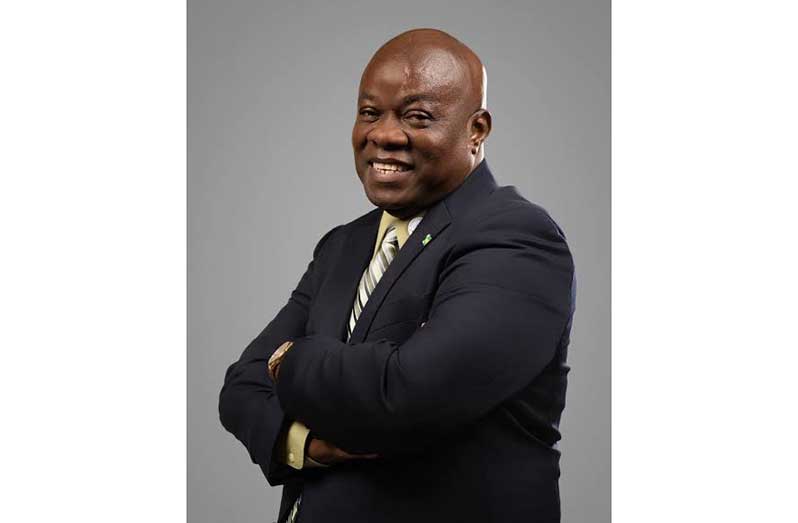
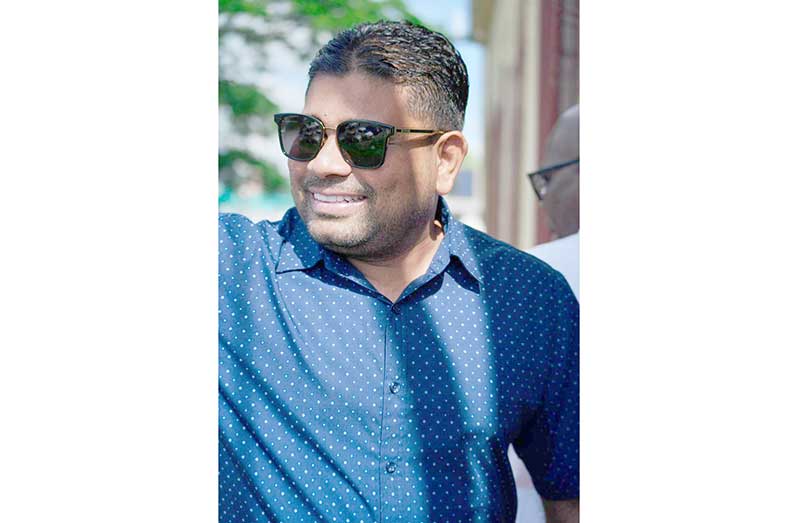
The meeting brought together Opposition Leader Azruddin Mohamed, leader of the 16-member WIN, and Aubrey Norton, leader of the 12-member APNU. Mohamed, who leads WIN, is under United States sanctions, faces an indictment in that country and is currently fighting extradition proceedings to the United States.
According to Nandlall, the meeting had been in the making for about a year and was expected to address three outstanding matters between APNU and WIN.
He said the issues included an apparent impasse over the composition of opposition members at the Guyana Elections Commission (GECOM), nominees proposed by the Leader of the Opposition for the Local Government Commission, and an apparent impasse at the Linden Regional Democratic Council (RDC).
Nandlall said the significance of the meeting was heightened because APNU and WIN are among the country’s major opposition parties and represent a significant number of Guyanese at the parliamentary and political levels.
However, he said the meeting failed to produce progress on any of the three matters.
“None of the three issues that they claimed that they were meeting to discuss was discussed,” Nandlall said.
He added the parties also did not indicate when the outstanding matters would be discussed or when they intended to meet again.
Nandlall said the lack of information was particularly notable because both sides had spoken to the media following the meeting but, in his assessment, failed to explain what had actually been discussed or why the meeting had been held.
The meeting involved six representatives from each party, including their respective leaders, parliamentary representatives and other senior members. Nandlall said the representatives met for just over an hour before emerging to address the media.
He criticised the responses provided by the parties, stating members of the press were unable to determine what had been discussed.
He also pointed to a promise by the parties to issue a joint statement later that day outlining what had transpired.
According to him, that statement was not released until five days later and, when it was issued, he considered it lacking in substance.
He said, “It says nothing. It achieves nothing. It tells you nothing.”
Nandlall questioned why a meeting convened specifically to address three identified issues had ended without any of those matters being dealt with.
He described the episode as being marked by what he called “non-action,” as well as incompetence, clumsiness, lack of direction and lack of maturity.
He urged members of the public to examine the entire episode, from the planning of the meeting to the eventual release of the joint statement, and consider what it could indicate about the opposition’s ability to govern.
“I want you to look, examine that non-action. The incompetence, the clumsiness, the lack of direction, the lack of maturity, and everything else that permeated that engagement. Imagine that bunch is in a government and has to make decisions about your life and about your children’s life. And about the future of your children and the future of this country,” the Attorney General noted.
He argued that governments are required to make thousands of decisions each day, many of which have significant consequences for citizens and the wider country.
According to Nandlall, such decisions can affect people’s lives, national security, diplomatic and international relations, as well as broader geopolitical matters.
He said the responsibilities of government require leaders to make decisions on a wide range of issues and questioned whether the conduct displayed during the APNU-WIN engagement demonstrated the capacity to manage those responsibilities.
The August 24, 2026 meeting WIN and APNU ended without agreement on the major issues that prompted the talks.
The agenda included opposition representation on the Guyana Elections Commission, electoral scrutineers, the Region 10 Regional Democratic Council impasse and nominations to the Local Government Commission. Instead, the parties discussed creating a framework for future engagement, including possible terms of reference and a memorandum of understanding.
A joint statement issued five days later said no final decisions were taken on the substantive matters, with both sides agreeing to consult their respective leadership and consider further talks.




